
A Yorkshire Terrier may be small enough to fit in your lap, but in its own mind, it’s the biggest dog in the room. If you share your life with one, keeping your Yorkie healthy is probably something you’d do almost anything for. Which raises an important question: what health issues are actually worth paying attention to?
To find out, we started with what owners ask most. We analyzed more than a thousand of the questions Yorkshire Terrier owners search for online, identified the ten topics that come up again and again, and put every one of them to Dr. Stefan Novevski, a licensed veterinarian (DVM), for clear, practical answers.
This guide is the result. The exact concerns Yorkie owners worry about most, including that distinctive honking cough, loose kneecaps, dental disease, feeding, and life expectancy, explained in a way that’s easy to understand and grounded in veterinary expertise. Yorkshire Terriers are tiny dogs, and because of that, seemingly minor health issues can sometimes become serious surprisingly quickly. Knowing what to watch for is half the battle. The other half is having answers you can trust.
1. What health problems are Yorkshire Terriers most prone to, and what early warning signs should owners never ignore?
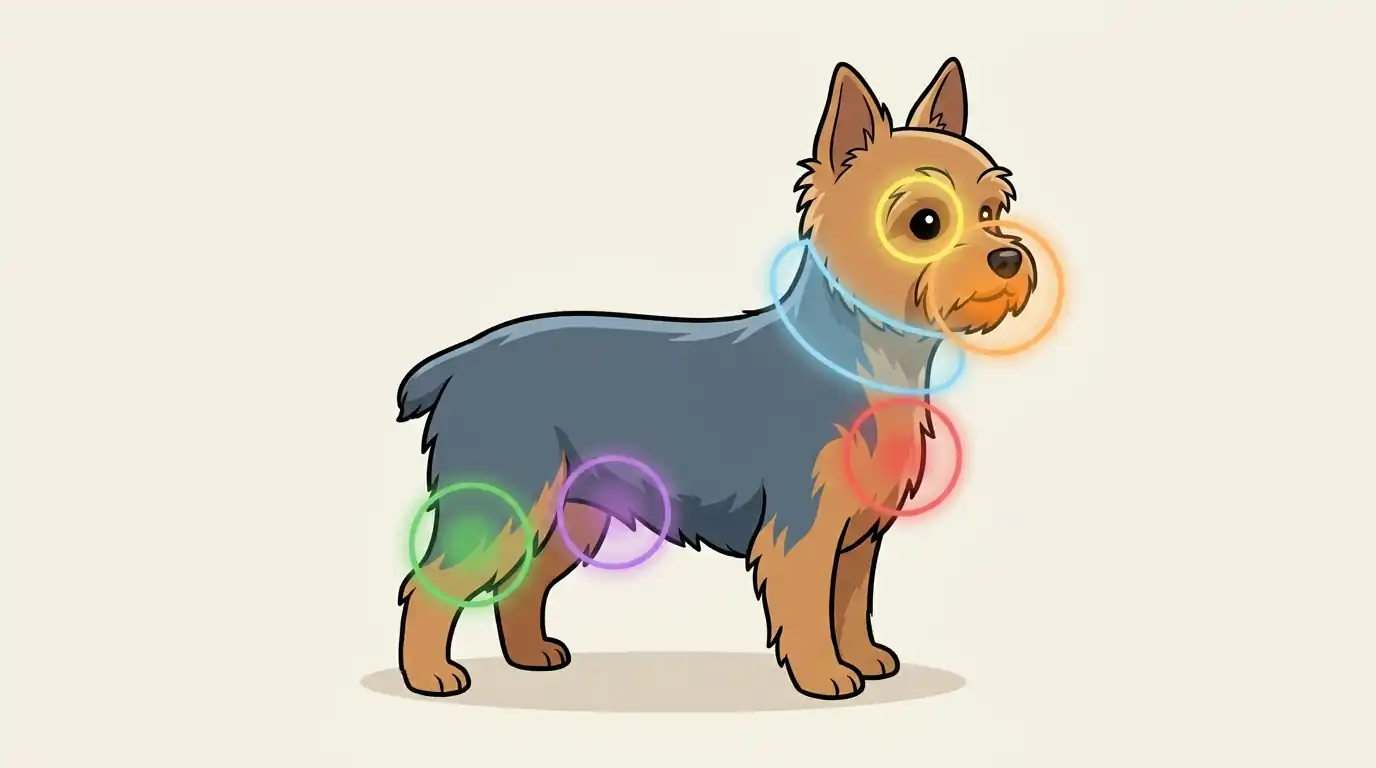
Yorkshire Terriers are a small breed predisposed to several conditions affecting the teeth, airway, joints, liver, eyes, heart, endocrine system, and urinary tract. Many of these problems develop gradually, so early recognition of subtle warning signs is important for maintaining long-term health and quality of life.
One of the most common issues is dental disease. Because Yorkshire Terriers have small jaws and crowded teeth, they are highly prone to plaque accumulation, gingivitis, and periodontal disease.
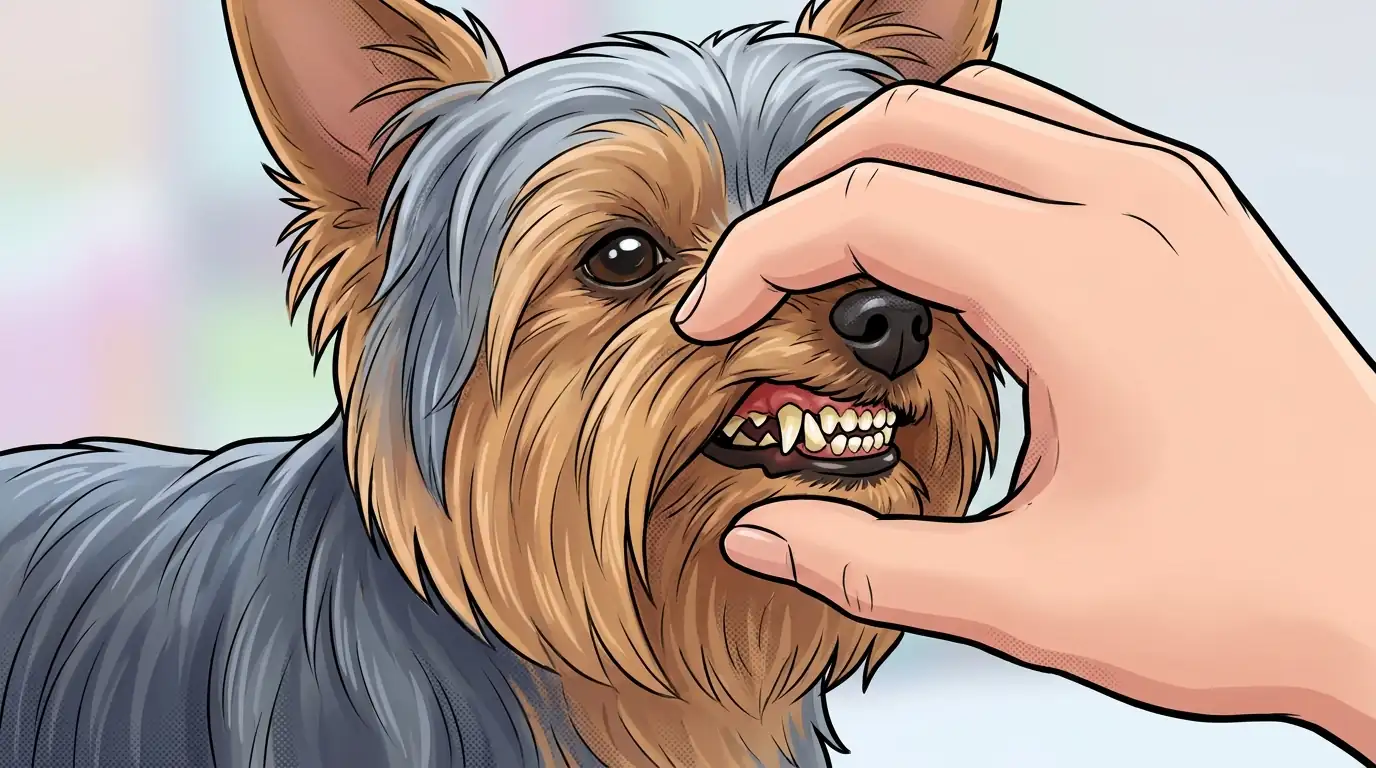
Early warning signs include bad breath, tartar buildup, red or bleeding gums, dropping food while eating, or chewing on one side of the mouth. Without regular dental care, this can progress to tooth loss and chronic infection.
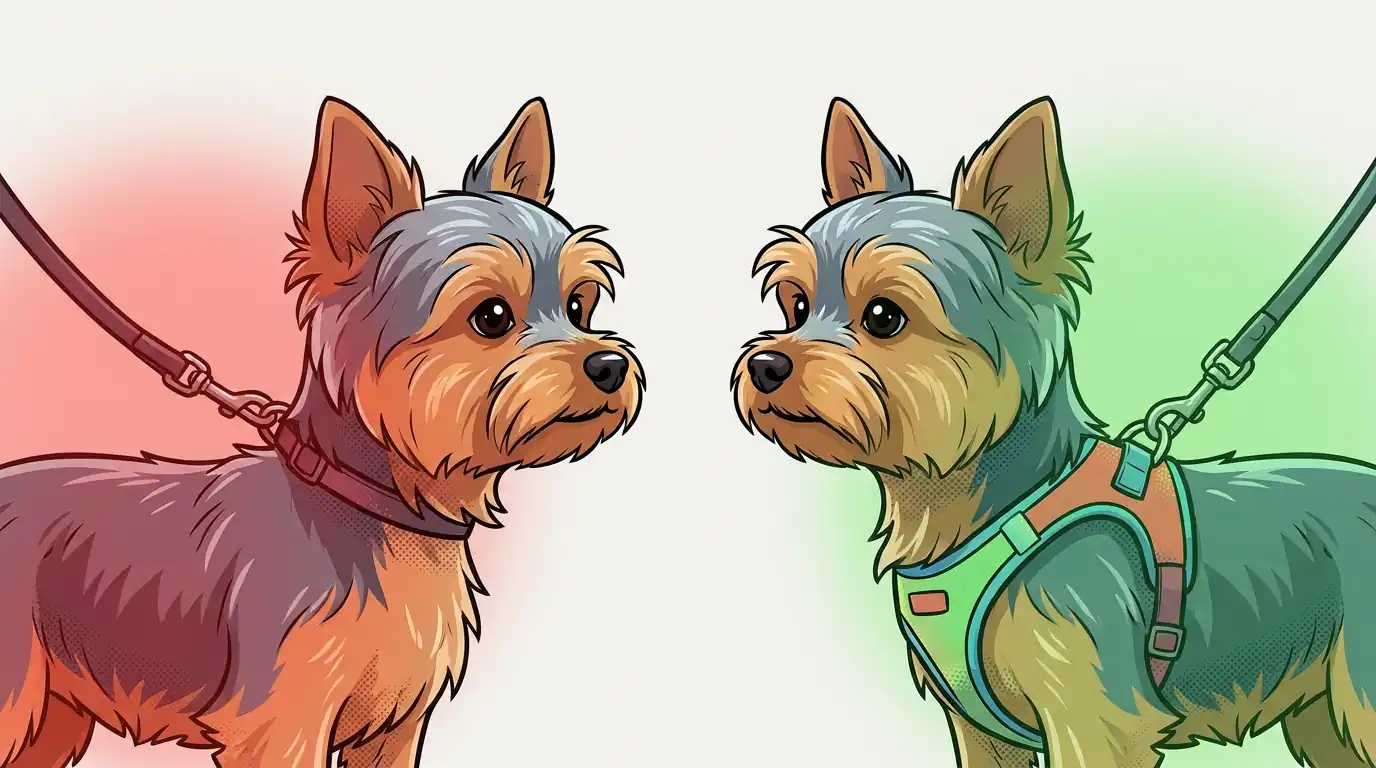
Another important condition is tracheal collapse, a progressive weakening of the cartilage rings supporting the windpipe. Affected dogs often develop a dry “honking” cough, especially when excited, exercising, or pulling against a collar. Some dogs may also show exercise intolerance or mild breathing difficulty. Using a harness instead of a neck collar is generally recommended.
Yorkshire Terriers are also prone to luxating patella, where the kneecap slips out of position. Early signs may include intermittent skipping on a hind leg, stiffness after rest, or a “bunny-hopping” gait. Over time, this may contribute to arthritis and reduced mobility.
Portosystemic shunt (PSS), a congenital liver condition in which blood bypasses normal liver circulation, is also seen in the breed. Signs may include poor growth, vomiting, disorientation, excessive drooling, seizures, or uncoordinated walking (ataxia). PSS can also predispose dogs to ammonium biurate (urate) bladder stones.
Yorkshire Terriers are additionally predisposed to protein-losing enteropathy (PLE), intestinal lymphangiectasia, and acute pancreatitis. Warning signs include chronic diarrhea, vomiting, weight loss, abdominal discomfort, lethargy, or sudden loss of appetite. Severe pancreatitis can become life-threatening and requires urgent veterinary care.
Hypoglycaemia (low blood sugar) may occur in puppies and very small dogs, especially during stress, illness, or prolonged fasting. Signs can include weakness, tremors, disorientation, wobbliness, or collapse. Feeding small, regular meals and avoiding long gaps without food are important preventive measures.
Eye disease is another concern in the breed. Conditions such as dry eye (keratoconjunctivitis sicca), cataracts, corneal ulcers, and distichiasis (abnormally positioned eyelashes that irritate the eye surface) may cause redness, squinting, discharge, excessive tearing, or cloudiness of the eyes.
Yorkshire Terriers are also predisposed to endocrine and urinary disorders. Hyperadrenocorticism (Cushing’s disease) may cause increased thirst and urination, increased appetite, hair loss, muscle weakness, and a pot-bellied appearance. Diabetes mellitus may present with excessive drinking and urination, weight loss despite a normal appetite, lethargy, or cataract formation. Urinary stones may cause straining to urinate, frequent small urinations, or blood in the urine.
Another important condition is chronic myxomatous mitral valve disease (MMVD), a progressive degenerative heart disease common in toy breeds. Early signs may include coughing at rest or during the night, reduced exercise tolerance, rapid breathing, fatigue, or decreased stamina. Heart murmurs are often detected during routine veterinary examinations before obvious symptoms appear.
In summary, Yorkshire Terriers benefit greatly from proactive preventive care, regular veterinary examinations, dental management, and prompt attention to changes in breathing, mobility, appetite, urination, vision, or behavior. Many breed-related conditions are manageable when identified early, making owner awareness especially important throughout the dog’s life.
2. What is the average lifespan of a Yorkshire Terrier, and what actually helps some Yorkies live much longer than others?
The average lifespan of a Yorkshire Terrier is typically around 12 to 15 years, although it is not uncommon for well-cared-for individuals to live 15 years or longer, with some reaching 17–18 years. As a small toy breed, Yorkies generally live longer than larger dogs, but their lifespan is still influenced by genetics, early-life health, and long-term preventive care.
Several factors determine why some Yorkshire Terriers live longer and remain healthier than others.
One of the most important factors is dental health.
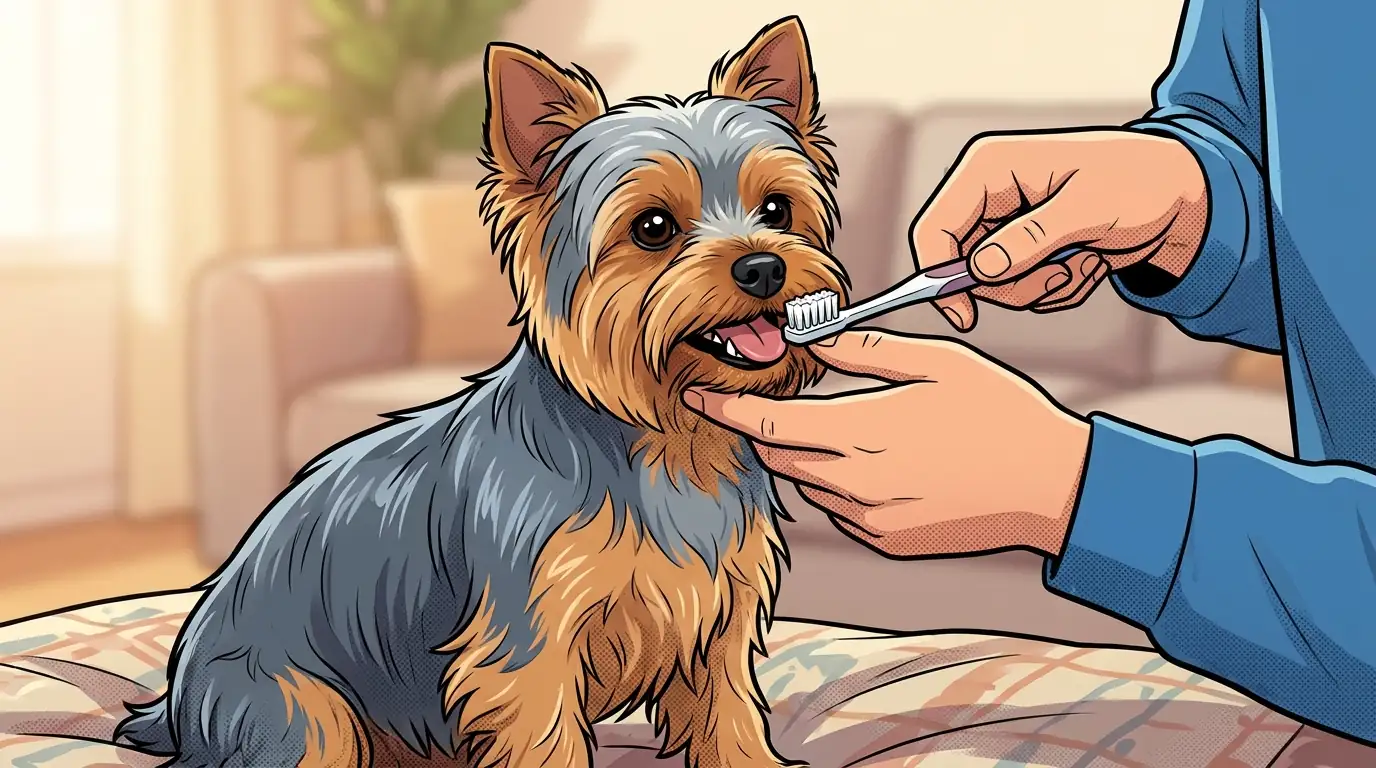
Yorkshire Terriers are highly prone to periodontal disease due to their small jaw size and crowded teeth. Chronic dental infection can contribute to systemic inflammation and reduce quality of life over time. Dogs that receive regular home dental care and professional cleanings are more likely to maintain good long-term health.
Body condition and nutrition also play a major role.
Yorkies that are maintained at an ideal lean body condition (BCS 4–5/9) tend to have lower risk of metabolic disease, joint stress, and secondary complications such as diabetes or reduced mobility. Overweight dogs are more likely to develop chronic disease earlier in life.
Another key factor is early detection of breed-related diseases. Yorkshire Terriers are predisposed to conditions such as tracheal collapse, luxating patella, portosystemic shunts, chronic kidney disease, pancreatitis, and endocrine disorders like Cushing’s disease. Dogs that receive regular veterinary check-ups are more likely to have these conditions identified early, allowing for better long-term management.
Genetics and breeding quality also strongly influence lifespan. Dogs from lines where hereditary conditions are screened and avoided generally have lower risk of early-onset disease. Responsible breeding practices significantly improve long-term survival and healthspan.
Lifestyle factors such as consistent but appropriate exercise, low-stress environments, parasite prevention, and routine veterinary care also contribute to longevity. Importantly, Yorkies that are kept mentally stimulated and physically active without overexertion tend to age more successfully.
Overall, Yorkshire Terriers that live the longest are typically those that remain lean, receive proactive veterinary care, maintain good dental hygiene, and come from responsibly bred genetic lines. Lifespan is not determined by a single factor, but by the combination of daily management decisions made throughout the dog’s life.
3. What are the most common health emergencies in Yorkshire Terriers, and what warning signs should owners never ignore?
Yorkshire Terriers are a small breed that can be prone to several acute health emergencies, many of which require rapid veterinary attention. Because their clinical signs can sometimes be subtle early on, prompt recognition is important.
One of the most common emergencies in this breed is hypoglycaemia (low blood sugar), especially in puppies or very small dogs.
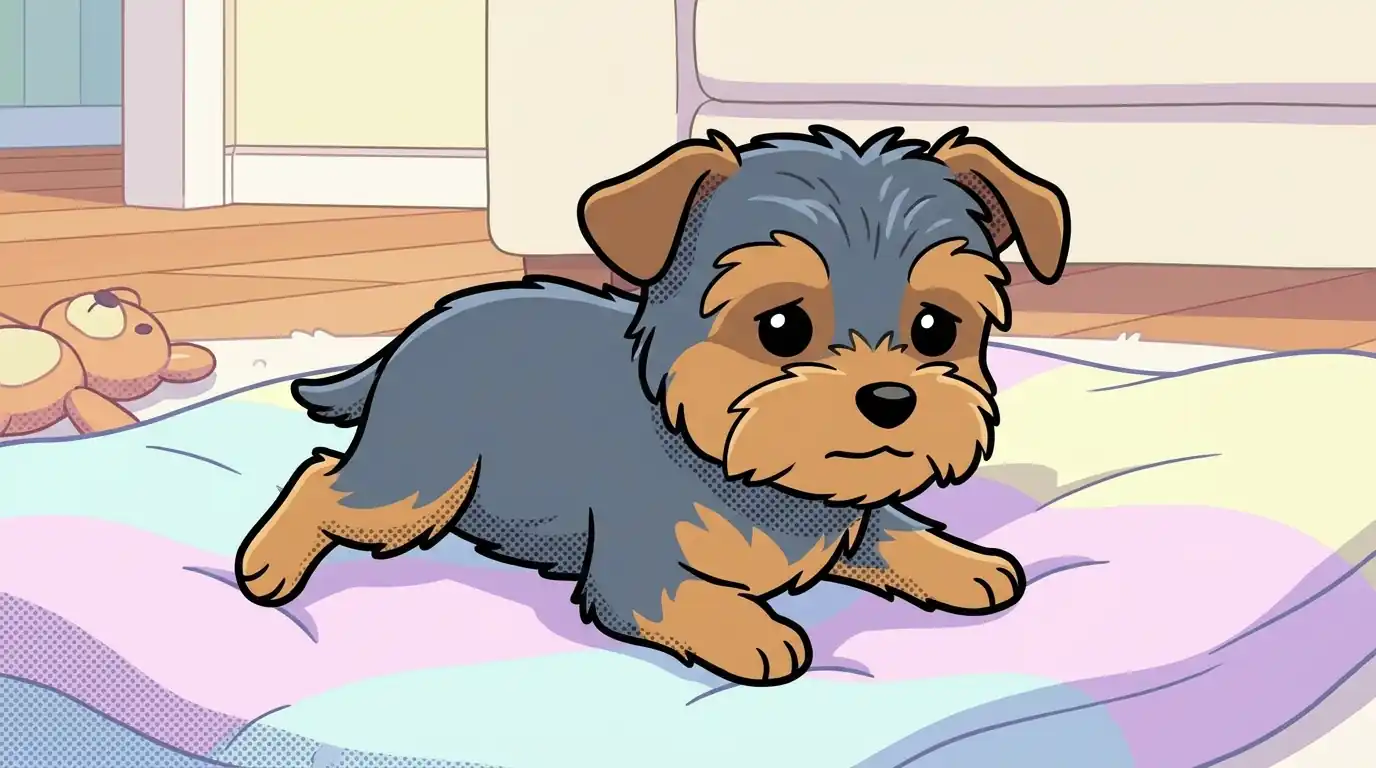
This can develop quickly and may be triggered by missed meals, stress, or concurrent illness. Early warning signs include weakness, tremors, disorientation, lethargy, wobbliness, or sudden collapse. In severe cases, seizures or unconsciousness may occur, and this is always an emergency.
Another important condition is tracheal collapse, which can worsen suddenly with excitement, heat, or pressure on the neck. Warning signs include a dry, harsh “honking” cough, gagging episodes, breathing difficulty, and reduced exercise tolerance. Severe episodes may progress to respiratory distress (a critical medical emergency where the dog is actively struggling to breathe and body tissues are starved of oxygen) and require urgent care.
Yorkshire Terriers are also at risk of acute pancreatitis (inflammation of the pancreas), which can present suddenly with vomiting, abdominal pain (often a hunched posture), loss of appetite, lethargy, and dehydration. Some dogs may become very weak or stop eating entirely, and the condition can progress rapidly without treatment.
Urinary obstruction, particularly in dogs with underlying bladder stones, can also be life-threatening. Warning signs include straining to urinate, frequent attempts with little or no urine output, vocalisation during urination, and signs of abdominal pain or restlessness.
Congenital portosystemic shunts (PSS) are a developmental vascular abnormality in which blood bypasses the liver, reducing its ability to properly process nutrients and toxins. This condition can lead to neurological signs due to hepatic encephalopathy (a severe neurological syndrome caused by a dangerous accumulation of metabolic toxins in the bloodstream) and may also be associated with hypoglycaemia in affected dogs. Warning signs include intermittent weakness, disorientation, abnormal behaviour, uncoordinated gait (ataxia), seizures, or collapse. These signs may be more noticeable after meals or periods of fasting.
Yorkshire Terriers are also reported to have a predisposition to rare but severe inflammatory brain conditions such as necrotizing encephalitis or leukoencephalitis. These conditions can progress rapidly and affect the brain’s white matter. Early warning signs may include sudden onset seizures, marked confusion or mental dullness, progressive coordination problems, abnormal movements, or sudden vision changes such as apparent blindness.
In general, any sudden collapse, persistent vomiting, difficulty breathing, inability to urinate, severe pain, or acute neurological change should be treated as an emergency in Yorkshire Terriers.
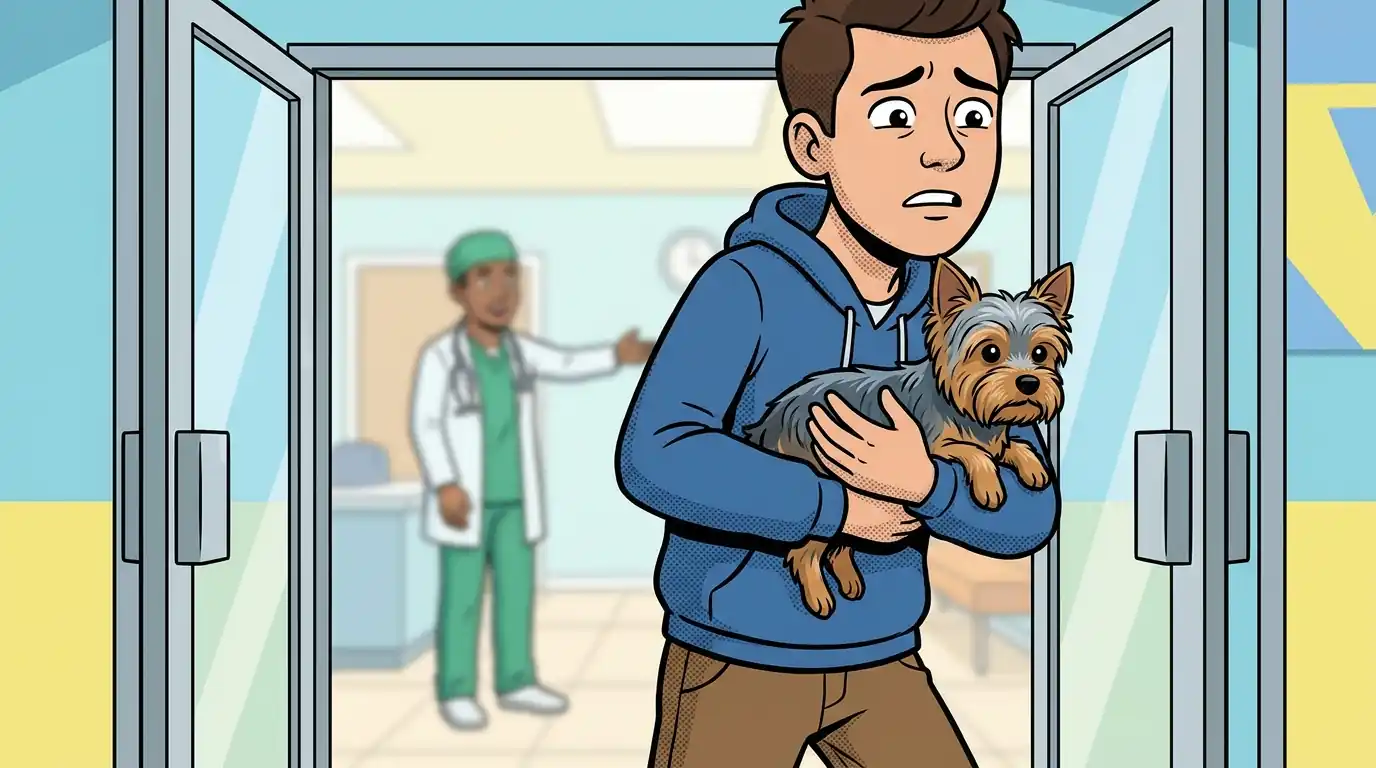
Because of their small size and limited physiological reserves, they may deteriorate more quickly during acute illness, making early veterinary intervention especially important.
4. Why does my Yorkshire Terrier cough, gag, or make honking sounds, and when should I be concerned enough to see a vet?
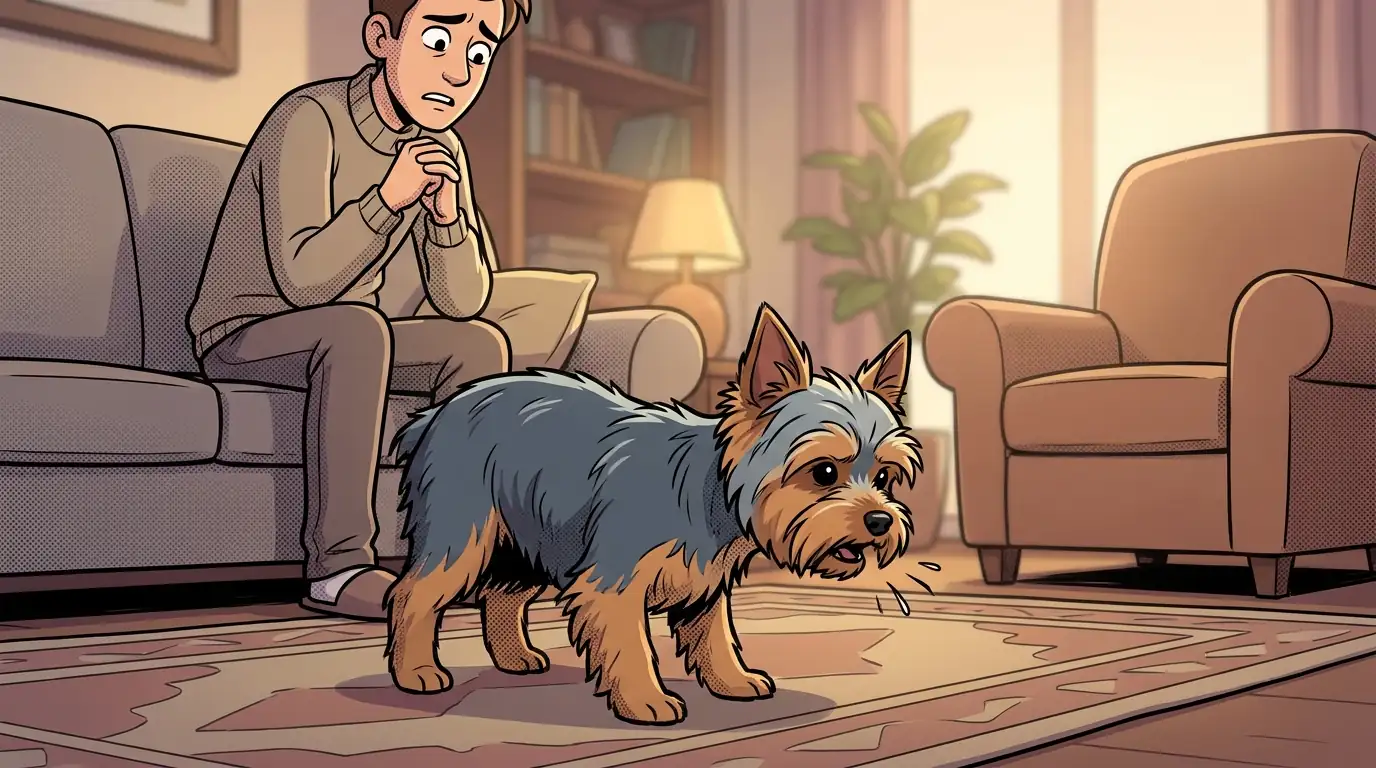
Yorkshire Terriers are predisposed to several airway and respiratory conditions that can cause coughing, gagging, choking-like episodes, or the characteristic “honking” sound many owners describe. While occasional throat irritation can happen in any dog, persistent or recurrent coughing in Yorkshire Terriers should not be ignored, especially if it worsens over time or occurs alongside breathing difficulty.
One of the most common causes is tracheal collapse, a progressive condition in which the cartilage rings supporting the windpipe weaken and flatten.
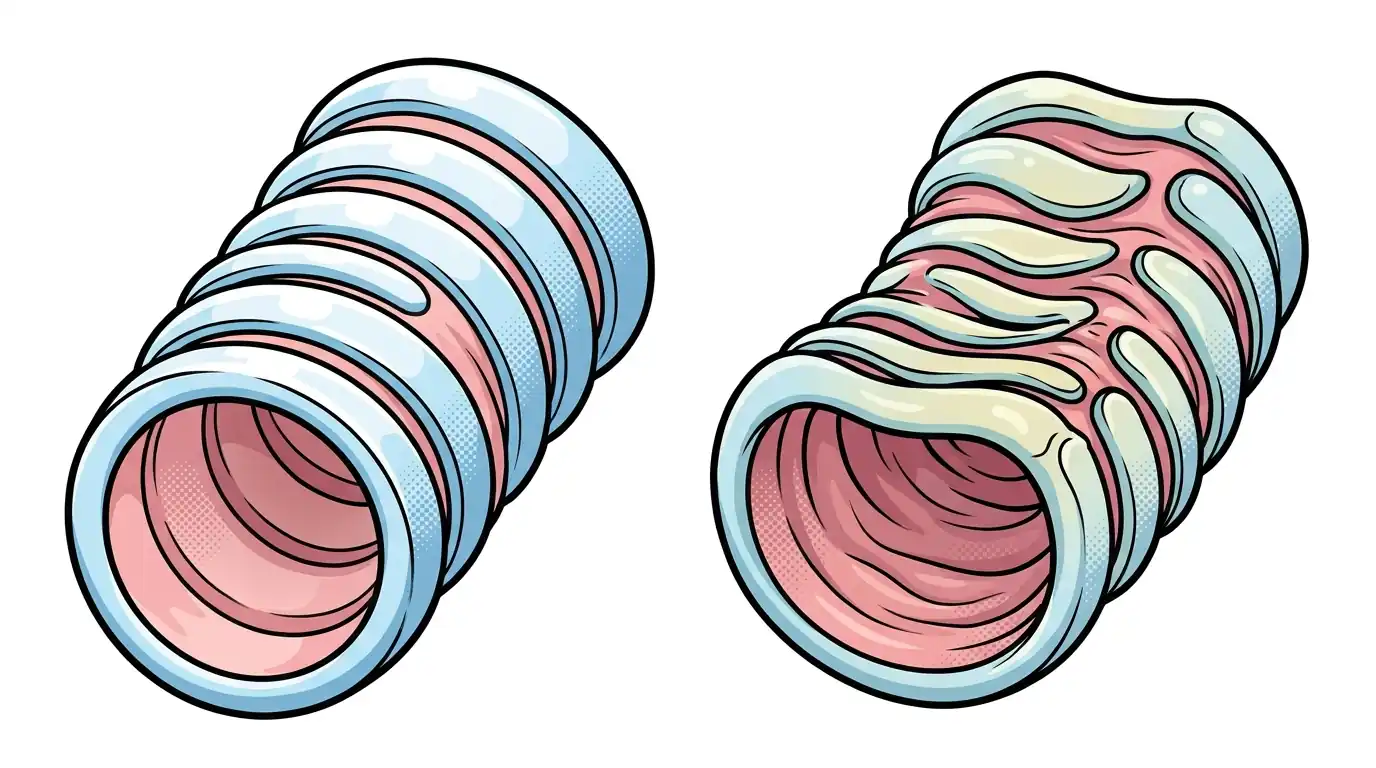
This causes airway narrowing and irritation, often producing a characteristic dry, harsh “goose-honk” cough, as the air is forcefully pushing through the narrowed trachea. Episodes are commonly triggered by excitement, exercise, heat, pulling on a collar, eating, or drinking. In some dogs, coughing may worsen over time and eventually lead to breathing difficulty or exercise intolerance.
Yorkshire Terriers may also cough or gag due to chronic airway inflammation, infectious respiratory disease, reverse sneezing episodes, or irritation affecting the throat and upper airway.
Another important consideration in older dogs is cardiac disease, particularly degenerative mitral valve disease, which is common in small breeds. As the disease progresses, enlargement of the heart and fluid accumulation in the lungs may contribute to coughing, reduced stamina, rapid breathing, or exercise intolerance. A cough that occurs mainly at night, during rest, or alongside reduced activity levels should always be evaluated by a veterinarian.
Owners should also be aware that severe coughing or gagging can occasionally indicate more urgent problems such as pneumonia, airway obstruction, collapsing lower airways, or significant respiratory distress. Warning signs that require prompt veterinary attention include laboured breathing, blue or grey gums and tongue, collapse, severe lethargy, persistent retching without producing anything, or episodes where the dog appears unable to catch its breath.
Environmental factors can also worsen airway irritation in Yorkshire Terriers. Smoke exposure, perfumes, dust, obesity, overheating, and neck pressure from collars may aggravate coughing episodes. Using a harness instead of a neck collar is generally recommended in dogs with suspected airway disease.
Owners should also know that severe coughing episodes are often followed by gagging or retching motions, sometimes called a “terminal retch.” This happens because dogs attempt to clear mucus and airway secretions after a coughing fit, and it is commonly mistaken for vomiting or choking.
In general, occasional isolated coughing may not always indicate serious disease, but repeated coughing, worsening honking sounds, gagging after activity, breathing difficulty, or changes in energy level should never be dismissed as “normal for the breed.” Early veterinary evaluation is important because many airway and cardiac conditions are progressive and benefit from early management.
5. Why is my Yorkshire Terrier limping, and what common joint problems could be causing it?
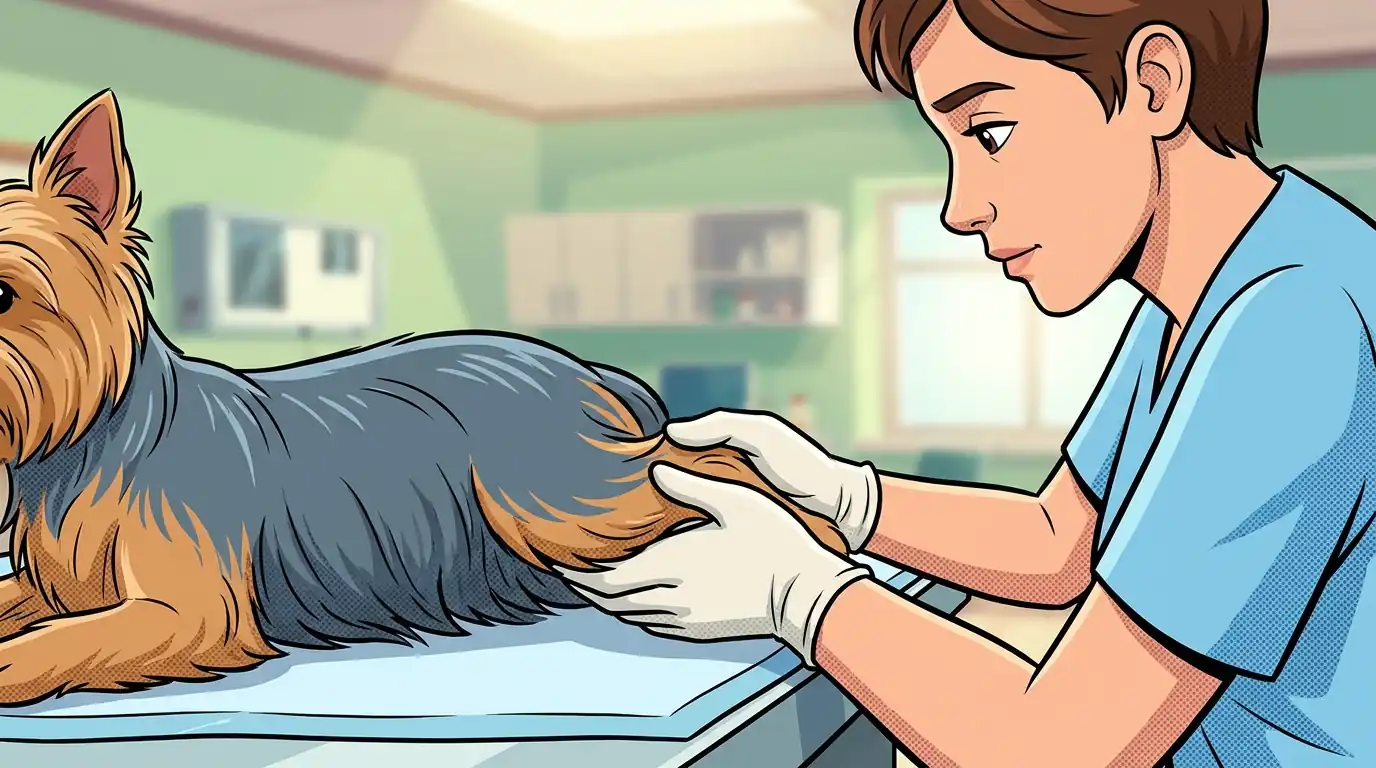
Yorkshire Terriers can limp for many different reasons, ranging from mild soft tissue injury to orthopedic, neurologic, or developmental disease. Because many small-breed conditions progress gradually, even subtle or intermittent limping should not be ignored, especially if it becomes recurrent or worsens over time.
One of the most common orthopedic conditions in Yorkshire Terriers is luxating patella, where the kneecap slips out of its normal position.
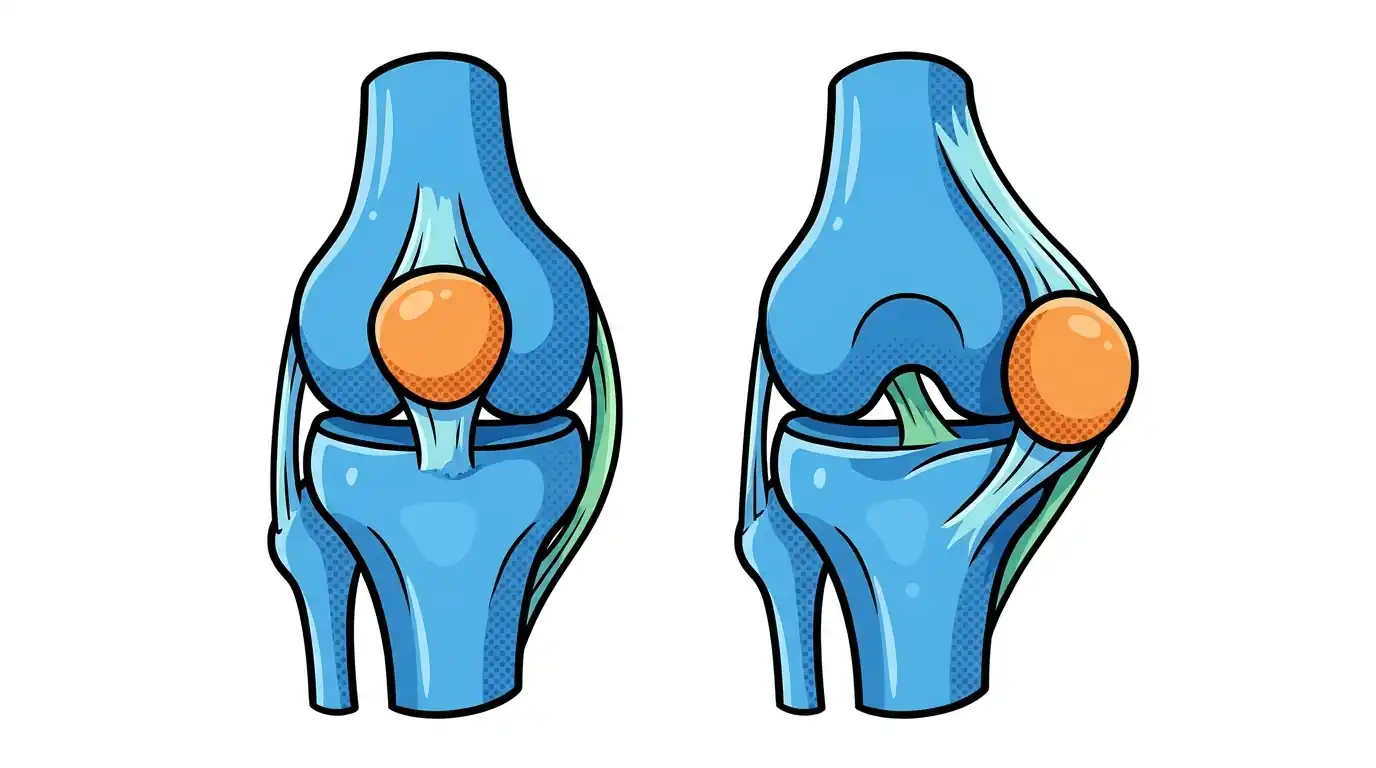
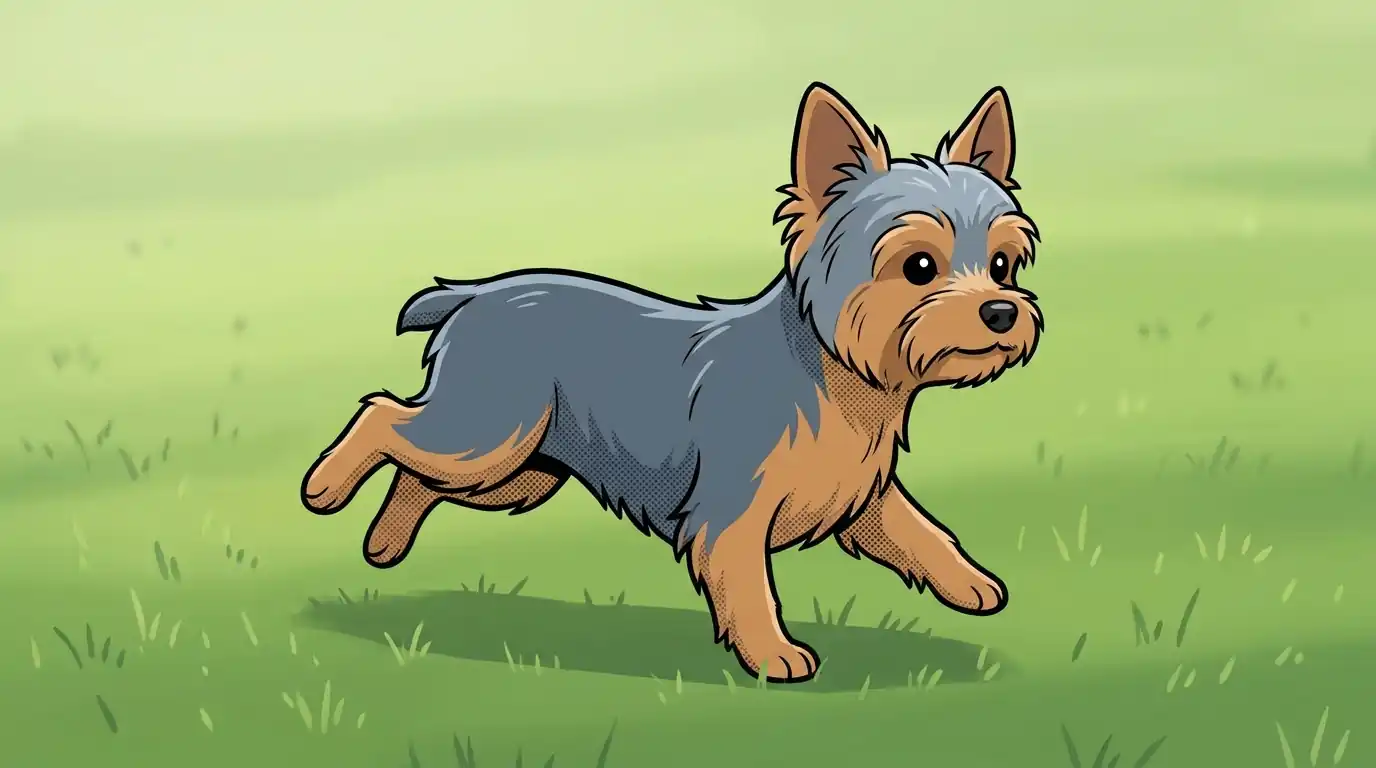
Many owners first notice an intermittent “skipping” gait in which the dog suddenly lifts a hind leg for several steps before returning to normal movement. Some dogs may also show stiffness after rest, difficulty jumping, or reluctance to run and play. Over time, repeated instability can contribute to pain, cartilage wear, and arthritis.
Another important condition in small breeds is Legg-Calvé-Perthes disease, a disorder affecting the hip joint in young dogs. In this condition, reduced blood supply to the head of the thigh bone, known as the femur, leads to progressive bone degeneration. Affected dogs often develop hind limb lameness between approximately 4 and 12 months of age, during skeletal development, sometimes accompanied by pain, muscle loss in the affected leg, or reluctance to bear weight. In many cases, surgical removal of the affected femoral head (femoral head and neck ostectomy) is recommended to improve long-term comfort and mobility.
Yorkshire Terriers can also develop cranial cruciate ligament (CCL) injury, particularly in dogs with pre-existing patellar instability or degenerative joint disease. Partial tears may cause intermittent limping that gradually worsens over time, while complete rupture can lead to sudden non-weight-bearing lameness and rapid joint inflammation.
In older Yorkshire Terriers, osteoarthritis becomes an increasingly common cause of stiffness and limping. Owners may notice slower movement, difficulty rising, reluctance to use stairs, reduced willingness to jump onto furniture, or stiffness after exercise or sleep.
Not all limping originates from the joints themselves. Yorkshire Terriers are prone to fractures because of their small and delicate limb bones, particularly after falls or accidental trauma. Paw injuries, nail injuries, soft tissue sprains, neurological disease, or spinal pain can also cause abnormal gait or reluctance to bear weight.
Owners should seek veterinary attention if limping lasts more than a day or two, becomes recurrent, is associated with swelling or pain, or if the dog refuses to place weight on the limb. Sudden severe limping, crying in pain, obvious limb deformity, or inability to walk should always be treated as urgent.
In general, early diagnosis is important because many orthopedic conditions progress gradually over time. Prompt management through weight control, exercise modification, physiotherapy, medication, or surgery, when necessary, can significantly improve long-term comfort and mobility.
6. Why is my Yorkshire Terrier losing fur, and what health or grooming problems commonly cause hair loss in the breed?
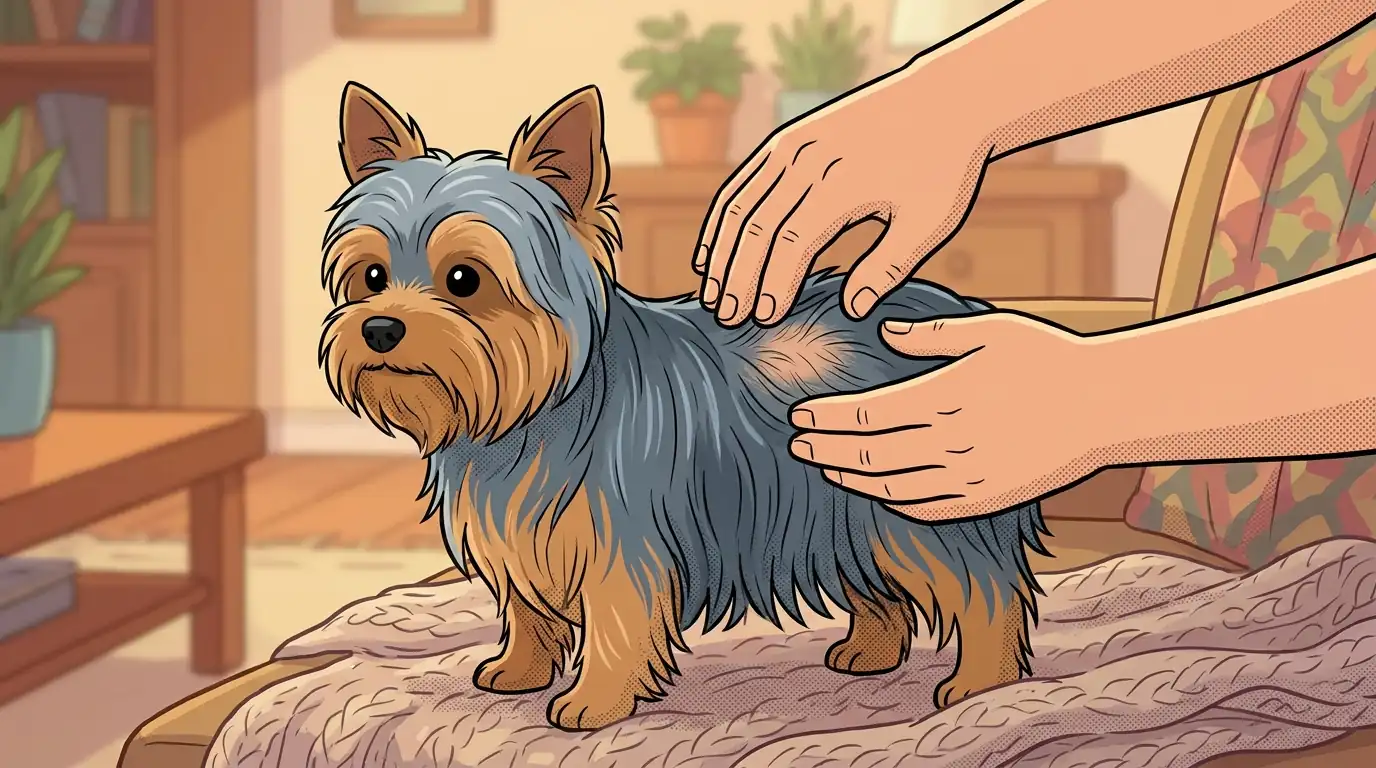
Yorkshire Terriers can develop hair loss for a range of reasons, including skin disease, parasites, hormonal disorders, and grooming-related damage. Because they have a fine, continuously growing coat, even mild underlying problems can become noticeable relatively quickly.
One of the most common causes is external parasites, especially fleas and mites.
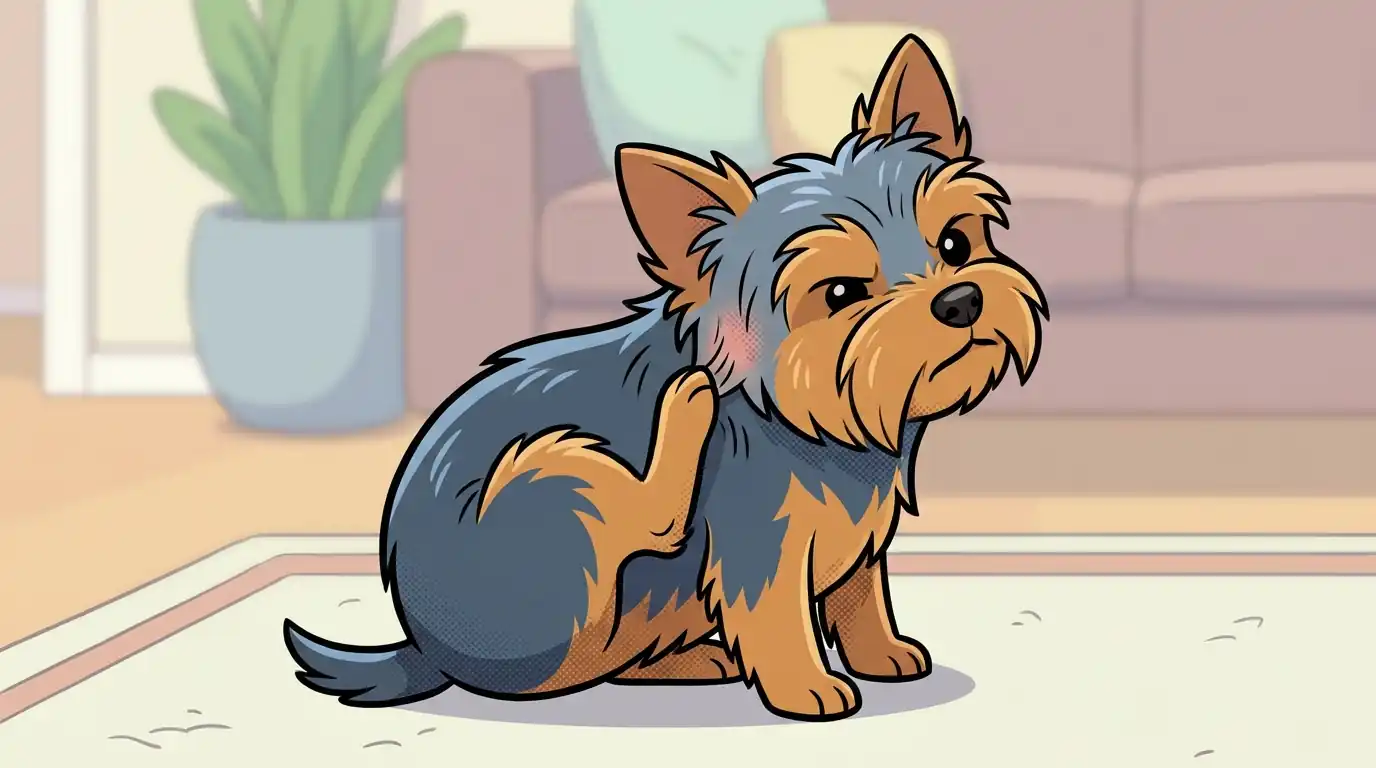
Flea allergy dermatitis can lead to significant itching and patchy hair loss, often affecting the tail base, abdomen, and hind limbs. Mite infestations such as demodicosis or sarcoptic mange may also cause more widespread alopecia, skin irritation, and secondary infections.
Allergic skin disease (atopic dermatitis) is another frequent cause. Affected dogs often show chronic itching, paw licking, ear infections, and recurrent skin inflammation. Ongoing scratching, licking, or rubbing can lead to thinning of the coat and secondary hair loss due to trauma and infection.
Hormonal or endocrine diseases are also important considerations. Cushing’s syndrome (hyperadrenocorticism) commonly causes symmetrical hair loss on the trunk, thin skin, increased thirst and urination, a pot-bellied appearance, and reduced energy. Hypothyroidism is less common in this breed but may contribute to coat thinning, poor regrowth, dry skin, and overall reduced coat quality.
Grooming and mechanical factors can contribute to hair breakage or thinning, particularly with frequent clipping, harsh brushing, tight grooming accessories, or traction on the coat.
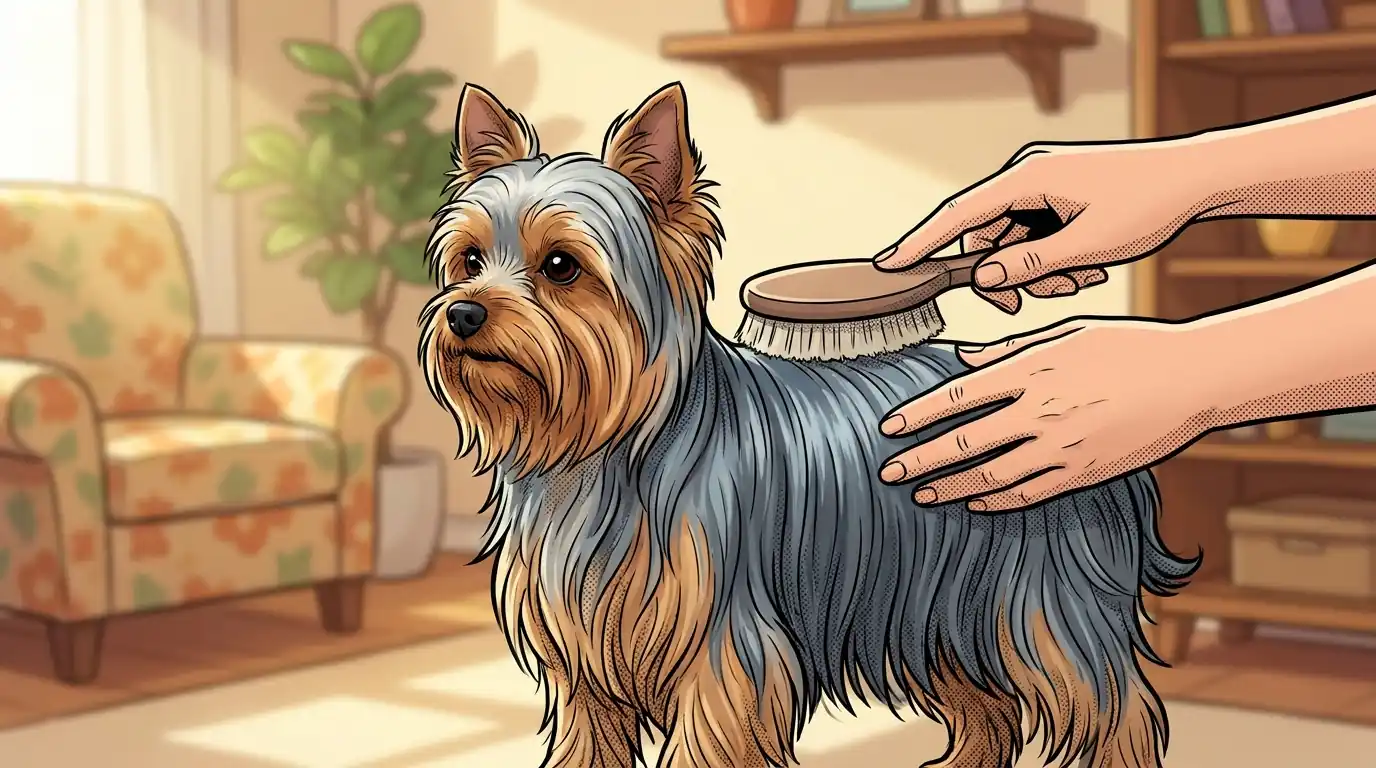
Hair loss can also result from mechanical irritation, such as repeated rubbing from collars, harnesses, grooming equipment, or constant contact with surfaces. This can lead to breakage or thinning of the coat, particularly in areas of repeated friction like the neck or body pressure points. However, true patchy or progressive alopecia should not be assumed to be grooming-related alone.
Rarely, localized inflammatory reactions at injection sites, including after vaccinations or injections, may cause temporary hair loss, skin thickening, or mild scarring in a small area. These reactions are uncommon and typically limited to the site of injection.
In general, owners should be concerned if hair loss is progressive, symmetrical, associated with itching, skin redness, or infections, or accompanied by systemic signs such as increased thirst, lethargy, or weight changes. Early veterinary evaluation is important, as early diagnosis may significantly improve outcomes and coat recovery.
7. What is the best diet for a Yorkshire Terrier, and how much food do they actually need to stay healthy?

A Yorkshire Terrier’s “best diet” is not a single brand or recipe, but a complete and balanced diet appropriate for life stage, body condition, and activity level. Because they are a small breed with a fast metabolism and a tendency toward dental disease, the quality, digestibility, and feeding routine are just as important as calorie content.
In general, most healthy adult Yorkshire Terriers do well on a complete commercial small-breed maintenance diet that meets AAFCO or FEDIAF nutritional standards. These diets are formulated to provide appropriate levels of protein, fat, essential fatty acids, vitamins, and minerals in correct proportions. Small-breed formulas also typically have smaller kibble sizes, which can support easier chewing and may help with mechanical plaque control when combined with regular dental care.
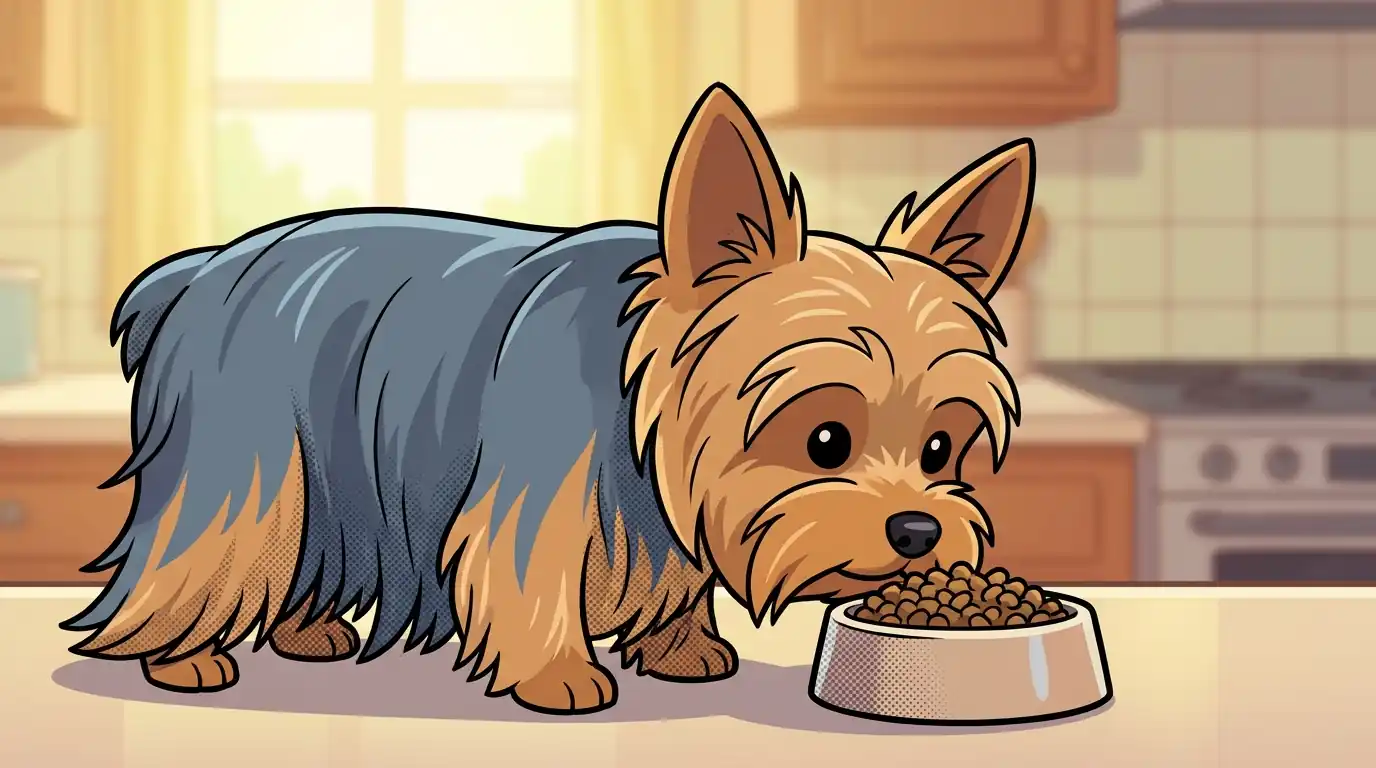
The amount of food a Yorkshire Terrier needs varies significantly depending on body weight, age, neuter status, and activity level. As a general guide, small adult Yorkshire Terriers typically require a relatively low daily energy intake, but exact calorie needs vary significantly depending on body weight, age, activity level, and metabolism, so feeding should always be adjusted based on body condition rather than a fixed number.
Puppies require more energy per kilogram of body weight, often divided into 3–4 meals per day, while most adult dogs are fed 2 meals daily. Senior dogs may require fewer calories but higher attention to protein quality to help maintain lean muscle mass.
When measuring dry kibble, it is recommended that owners use an electronic kitchen scale to weigh the food in grams rather than using a measuring cup. Measuring cups are highly inaccurate and can lead to accidental overfeeding.

Body condition scoring (BCS 4–5/9) is more reliable than feeding fixed amounts. If a dog is gaining weight, total daily calories should be gradually reduced; if losing weight or appearing underconditioned, intake should be increased under veterinary guidance. Free-feeding is generally not recommended, as it makes calorie control and weight management more difficult in small breeds.
Yorkshire Terriers are also more prone to dental disease, so feeding strategies that support oral health are important. Dry kibble alone is not a substitute for dental care, but it can be part of a broader plan that includes tooth brushing, dental diets if recommended, and regular veterinary dental assessments.
Some owners choose home-prepared diets, but these must be carefully formulated by a veterinary nutritionist to avoid imbalances, particularly in calcium, phosphorus, and essential trace nutrients. Unbalanced homemade diets are a well-recognised risk factor for nutritional disease in small dogs.
In general, the best diet for a Yorkshire Terrier is one that maintains a lean body condition, supports dental health, and provides consistent, measurable nutrition appropriate for the dog’s life stage and lifestyle.
8. What foods are dangerous for Yorkshire Terriers, and which human foods are actually safe to share occasionally?
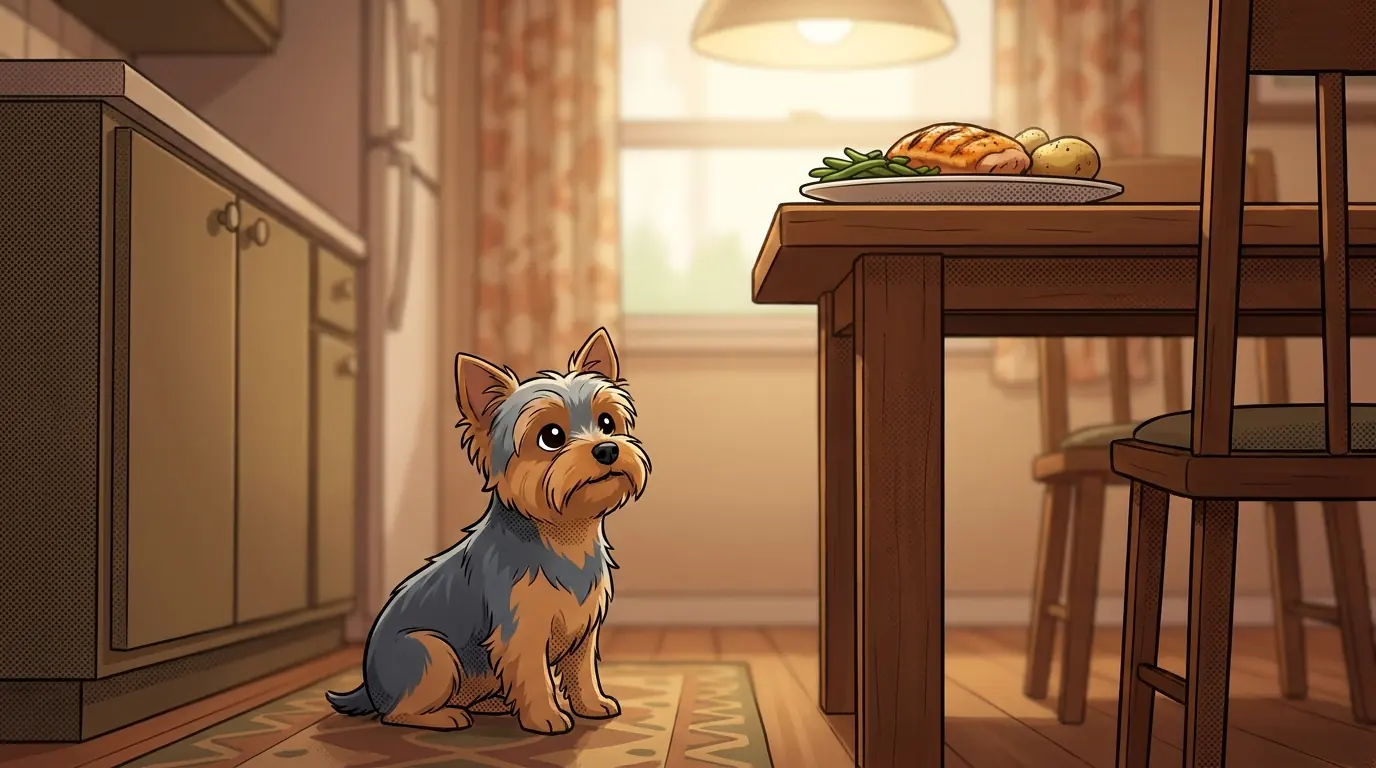
Certain human foods contain toxic compounds that are universally dangerous to all dogs, but their effects can be especially devastating in a small breed like the Yorkshire Terrier due to their low body weight. Even small amounts of inappropriate foods can sometimes cause significant illness, so knowing what to avoid is important for prevention.
Several common human foods are considered toxic or potentially dangerous for Yorkshire Terriers.

Chocolate contains theobromine, which can affect the nervous and cardiovascular systems, leading to vomiting, restlessness, tremors, or more severe cardiac signs depending on the amount ingested.
Grapes and raisins are also dangerous and can cause acute kidney injury in some dogs, even in small quantities.
Onions, garlic, and related allium foods can cause oxidative damage to red blood cells and lead to haemolytic anemia over time or with large exposures.
Xylitol (birch sugar), found in some sugar-free gums, sweets, and baked products, can cause a dog’s pancreas to release a massive surge of insulin, which can cause a rapid and severe drop in blood sugar. At higher doses, it can also damage the liver cells (hepatic necrosis) and acute liver failure.
In addition, alcohol, caffeine, and heavily fatty foods are particularly risky in small breeds, with fatty foods increasing the risk of acute pancreatitis in Yorkshire Terriers.
Beyond toxic foods, there are also items that are not necessarily poisonous but still clinically problematic. Cooked bones can splinter and cause gastrointestinal injury, while very rich, greasy, or highly processed foods can trigger vomiting, diarrhoea, or pancreatitis. High-fat table scraps are a particular concern in this breed due to their predisposition to digestive sensitivity. Yorkshire Terriers are predisposed to calcium oxalate bladder stones, which are influenced by multiple factors including genetics, urine concentration, hydration status, and overall diet composition. Highly processed or very salty foods such as cured meats and commercial snack foods are not recommended, as they may contribute to increased urinary mineral excretion and are generally inappropriate as treats in small dogs.
In terms of safe human foods, only small, plain, and minimally processed options should be offered occasionally. Suitable examples include small pieces of plain cooked lean meats such as chicken or turkey (without skin, bones, seasoning, or sauces), and small amounts of certain vegetables such as carrot, cucumber, green beans, or plain cooked pumpkin. Fruits like apples (without seeds), blueberries, watermelon, strawberries, or banana are considered safe. These should be given in moderation and should not exceed a small portion of the dog’s daily caloric intake.

Even when offering safe foods, it is important to introduce them slowly and observe for digestive sensitivity. Treats, including human foods, should ideally make up no more than about 10% of the daily diet to maintain balanced nutrition and prevent weight gain, which is particularly important in small breeds.
In general, the safest approach for Yorkshire Terriers is to base their diet primarily on a complete and balanced commercial dog food, using human foods only as occasional, controlled treats rather than a regular part of their diet or feeding routine.
9. What is a healthy weight for a Yorkshire Terrier, and how can I tell if mine is overweight before it starts affecting their joints and mobility?
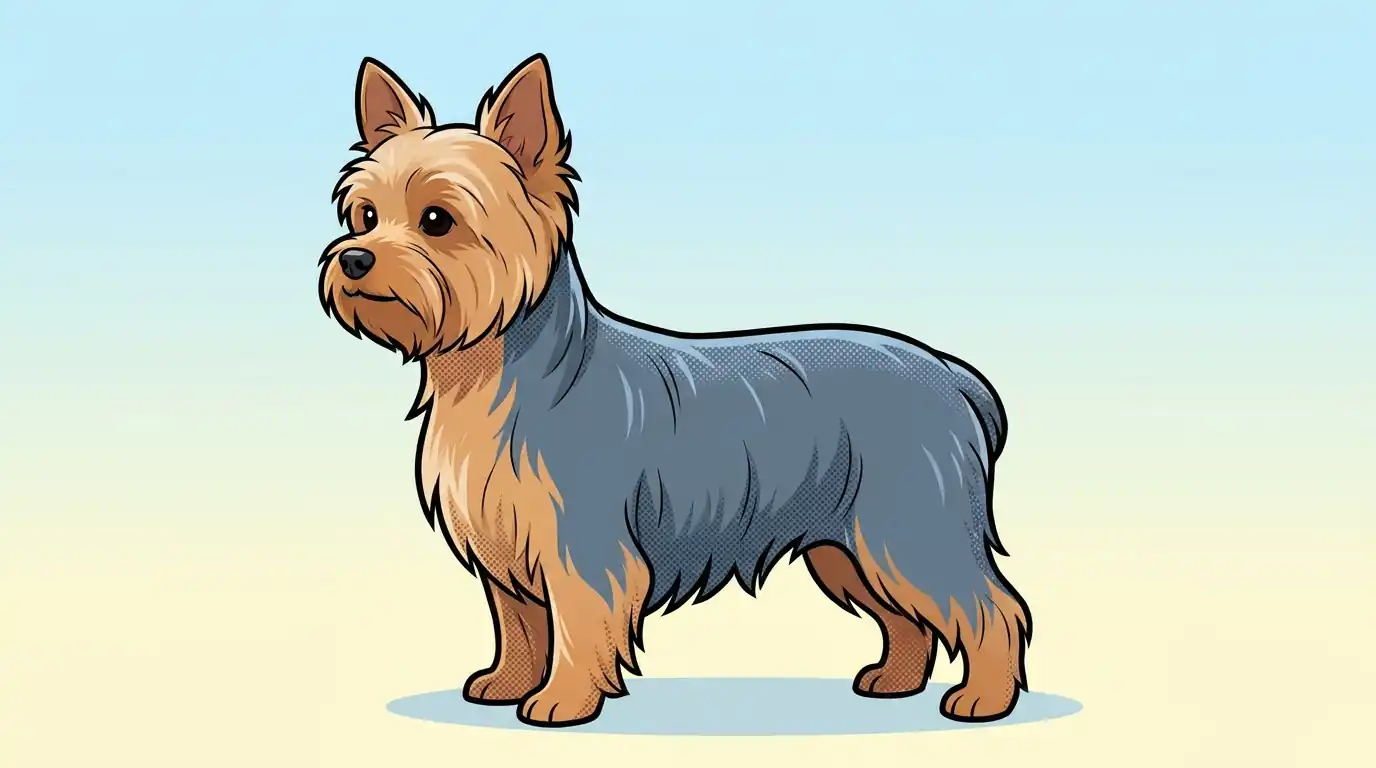
A healthy weight for a Yorkshire Terrier is best defined by body condition rather than a single number on the scale, because ideal weight varies depending on frame size, sex, and muscle mass. That said, most adult Yorkshire Terriers typically fall somewhere around 2 to 4 kg, but two dogs of the same weight can look very different depending on their body composition. For this reason, veterinarians rely more on body condition scoring (BCS 4–5/9) as the most reliable indicator of healthy weight.
A dog at an ideal weight should have ribs that can be easily felt but not visibly prominent, a visible waist when viewed from above, and a tucked abdomen when viewed from the side. There should be minimal fat covering over the ribs, spine, and base of the tail. In contrast, overweight Yorkshire Terriers will gradually lose their waist definition, develop fat deposits over the ribs and lower back, and may appear more rounded in shape.
Early signs of weight gain often appear before obvious obesity develops. These can include reduced stamina during walks, reluctance to jump onto furniture, slower movement, and a general decrease in activity level. Because Yorkshire Terriers are small, even a modest increase in body fat can place additional stress on joints and contribute to reduced mobility over time, as well as increase the risk of conditions such as tracheal collapse, joint strain, and metabolic disease.
One of the most important tools for owners is regular at-home body checks combined with consistent weighing.
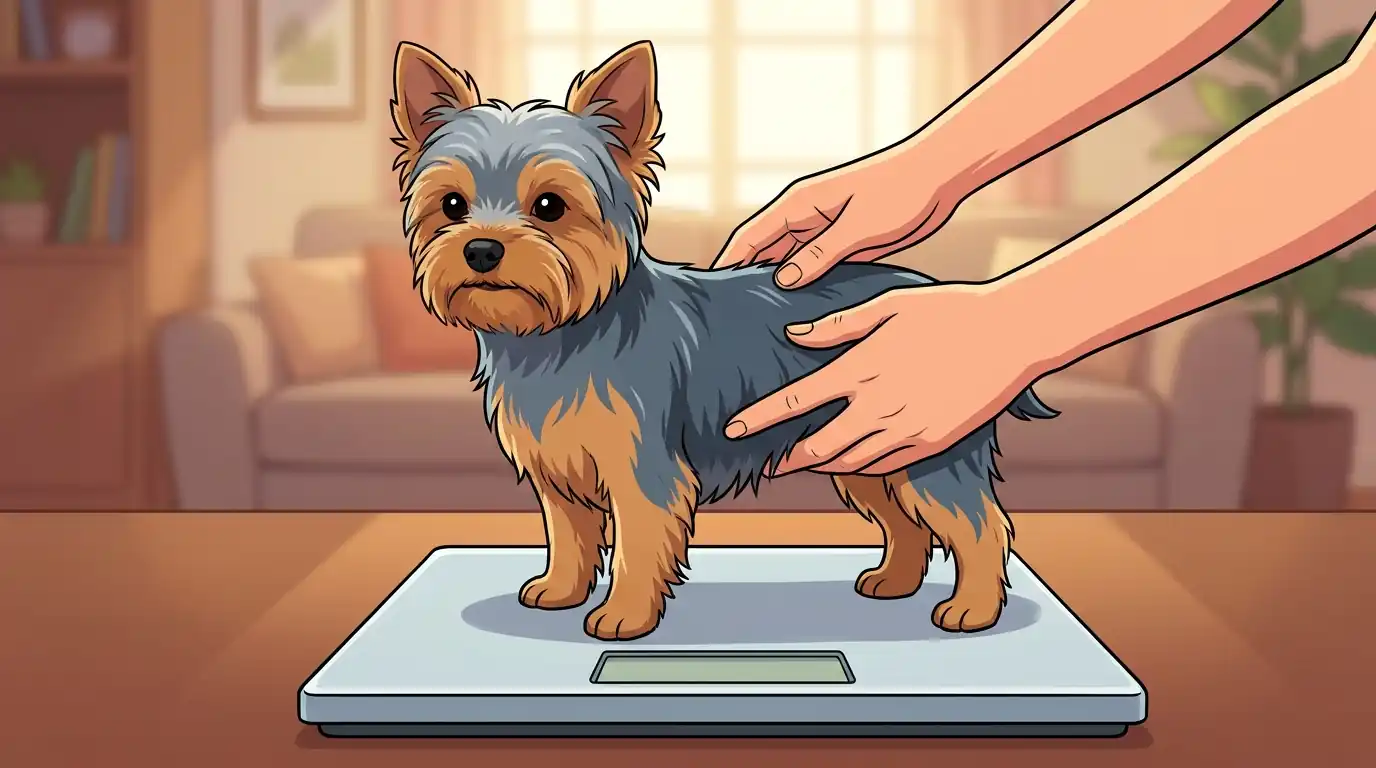
Monthly weight tracking and gently feeling the ribs and waist can help detect gradual changes early, before they become clinically significant. Measuring food portions accurately and avoiding frequent high-calorie treats are key preventive steps.
In general, maintaining a lean body condition throughout life is one of the most effective ways to support long-term joint health, mobility, and overall lifespan in Yorkshire Terriers. Even small amounts of excess weight, especially when maintained long term, can negatively affect joint comfort, mobility, and overall quality of life.
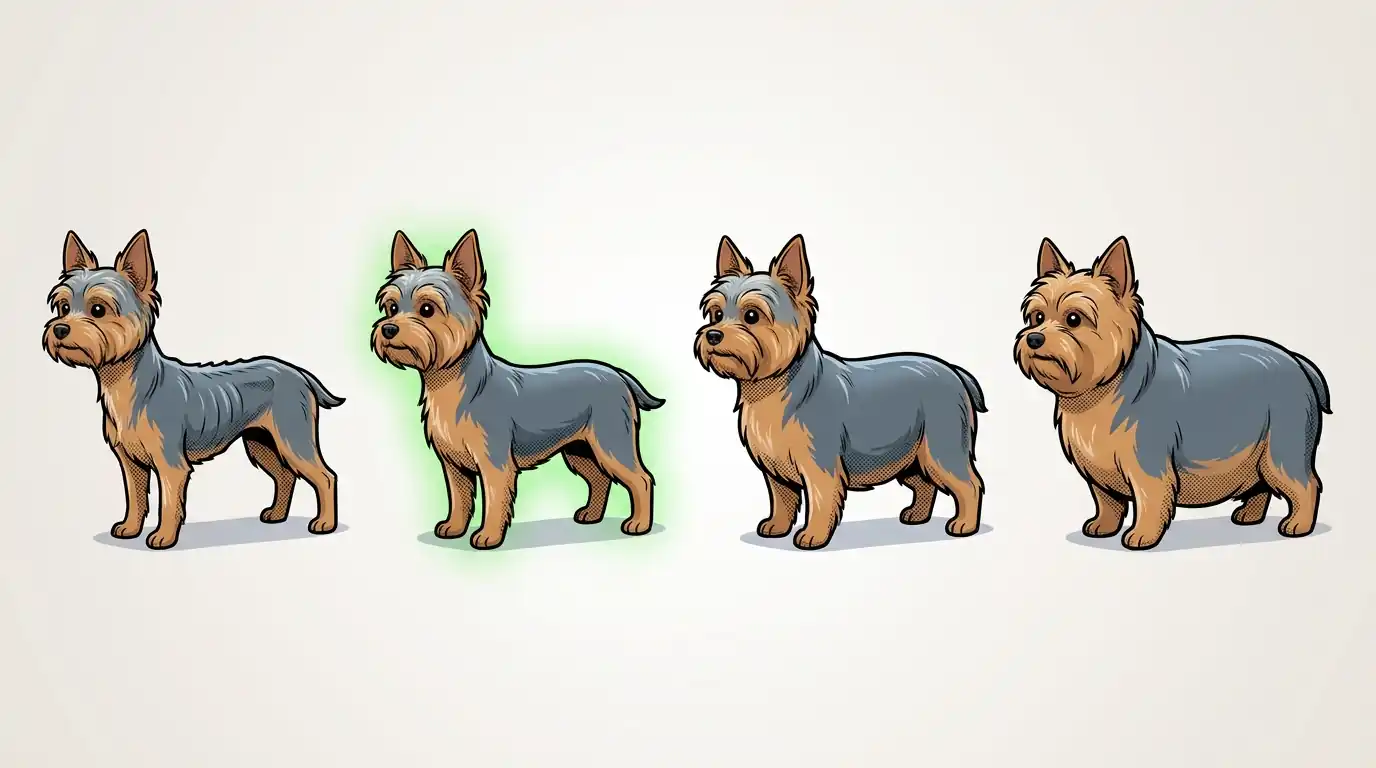
Body Condition Score (BCS) at a glance:
- BCS 1–3/9 — Underweight: Ribs, spine, and bony prominences are easily visible with minimal fat cover. Marked abdominal tuck.
- BCS 4–5/9 — Ideal: Ribs are easily felt with a thin fat layer but not visible. Visible waist when viewed from above and a clear abdominal tuck from the side. Lean, athletic body condition.
- BCS 6–7/9 — Overweight: Ribs are more difficult to feel. Waist is reduced or absent. Fat may be present over the back and tail base.
- BCS 8–9/9 — Obese: Ribs are difficult to palpate under thick fat. No visible waist. Significant fat accumulation with reduced mobility likely.
10. How much exercise does a Yorkshire Terrier really need each day, and can too little activity lead to behavior or health problems?
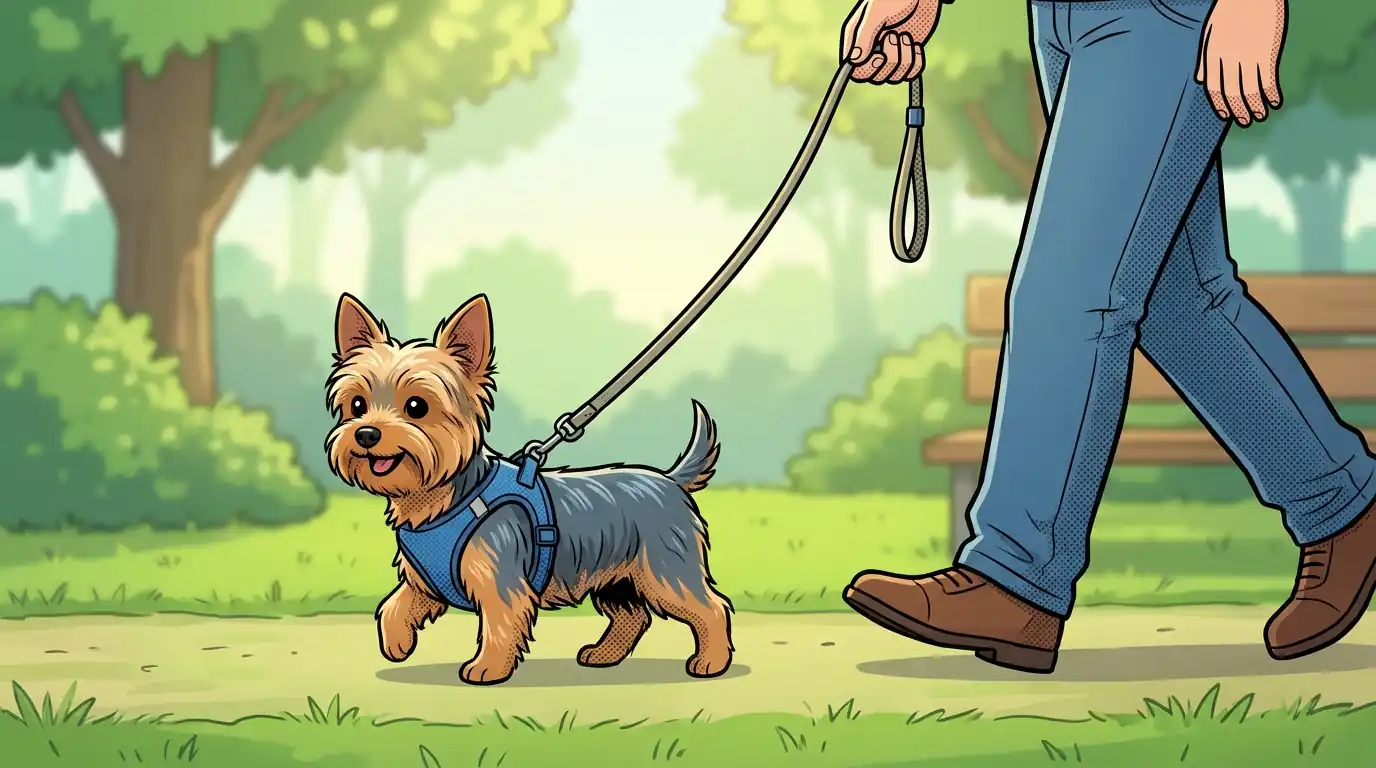
Yorkshire Terriers may be small dogs, but they are an active and intelligent breed that still requires regular daily exercise and mental stimulation. While they do not need the same physical workload as large working breeds, insufficient activity can contribute to behavioral frustration, weight gain, reduced muscle tone, and worsening orthopedic or cardiovascular health over time.
Most healthy adult Yorkshire Terriers benefit from a combination of daily walks, play sessions, environmental enrichment, and regular interaction with their owners. In general, exercise should be consistent and adapted to the individual dog’s age, physical condition, and temperament rather than focused on intensity alone. Many Yorkies enjoy short walks, indoor games, scent-based activities, and basic training exercises, all of which provide both physical and mental stimulation.
Puppies and young dogs typically have high energy levels but should not be overexercised while growing. Short, controlled activity sessions and supervised play are preferable to prolonged forced exercise. In older dogs, regular low-impact movement remains important for maintaining joint mobility, muscle mass, circulation, and healthy body weight, even if overall stamina decreases with age.
Too little activity can contribute to several health and behavioral problems.

Yorkshire Terriers that are under-stimulated may develop excessive barking, attention-seeking behavior, restlessness, anxiety-related behaviors, or destructive habits. Lack of exercise can also increase the risk of obesity, which may place additional stress on joints and worsen conditions such as luxating patella or tracheal collapse.
Mental stimulation is particularly important in this breed because Yorkshire Terriers are alert, curious, and highly responsive to their environment. Food puzzles, short training sessions, scent games, and social interaction can help prevent boredom and improve overall behavioral stability.

At the same time, exercise should remain appropriate for the individual dog. Extreme exertion, overheating, or excessive jumping from furniture may not be well tolerated in dogs with underlying orthopedic or airway disease. Owners should watch for warning signs such as coughing, limping, slowing down during walks, reluctance to exercise, or prolonged recovery after activity, as these may indicate an underlying medical problem requiring veterinary evaluation.
In summary, Yorkshire Terriers generally do best with moderate but consistent daily physical activity combined with regular mental enrichment. Even though they are small, they are not sedentary dogs, and maintaining appropriate exercise throughout life plays an important role in supporting healthy weight, mobility, cardiovascular health, and behavioral wellbeing.
Final Thoughts
If there’s one takeaway from all ten answers, it’s this: with a Yorkie, the little things matter. Many health problems, including dental disease, weight gain, and chronic coughing, often start quietly and become harder to manage when they’re ignored. The earlier you catch them, the better.
The good news is that much of your Yorkie’s health is in your hands. Keep them lean, stay on top of dental care, measure their food, and pay attention when something changes. A Yorkshire Terrier that receives consistent, attentive care has every chance of staying happy, active, and healthy well into its teens.
If you found this guide helpful, consider sharing it with another Yorkie owner who might benefit from it. And if there are other Yorkshire Terrier health questions you’d like answered by a veterinarian, let us know in the comments below.
References & Sources
- AAFCO (Association of American Feed Control Officials) — Dog Food Nutrient Profiles
- AAHA (American Animal Hospital Association) — Canine Life Stage Guidelines
- ACVD (American College of Veterinary Dermatology) — Atopic and allergic skin disease resources
- ACVIM consensus statements — Chronic valvular heart disease and pancreatitis in dogs
- ACVS (American College of Veterinary Surgeons) — Luxating patella and cranial cruciate ligament disease
- ASPCA Animal Poison Control Center — Food toxicity reference
- AVMA (American Veterinary Medical Association) — Canine preventive health, nutrition, and emergency care guidance
- Bell JS, Cavanagh KE, Tilley LP, Smith FWK — Veterinary Medical Guide to Dog and Cat Breeds
- Ettinger SJ, Feldman EC — Textbook of Veterinary Internal Medicine
- FECAVA — Companion animal welfare and veterinary standards
- FEDIAF — Nutritional Guidelines for Complete and Complementary Pet Food
- Fossum TW — Small Animal Surgery
- Freeman LM et al. (JAVMA) — Risks of unbalanced and non-commercial canine diets
- Laflamme DP — Body condition scoring and canine obesity assessment
- MSD Veterinary Manual (Merck Veterinary Manual) — Clinical disease summaries
- National Research Council (NRC) — Nutrient Requirements of Dogs and Cats
- Nelson RW, Couto CG — Small Animal Internal Medicine
- Scott DW, Miller WH, Griffin CE — Muller & Kirk’s Small Animal Dermatology
- Tobias KM, Johnston SA — Veterinary Surgery: Small Animal
- WSAVA Global Guidelines — Preventive healthcare, nutrition, and body condition scoring
Disclaimer
This article is provided for general educational purposes only and reflects veterinary information current at the time of writing. It is not a substitute for professional veterinary advice, diagnosis, or treatment for any individual dog. Every Yorkshire Terrier is different, and health decisions should always be made in consultation with your own veterinarian. If you believe your dog is unwell or may be facing an emergency, contact your veterinarian or a local emergency clinic right away.