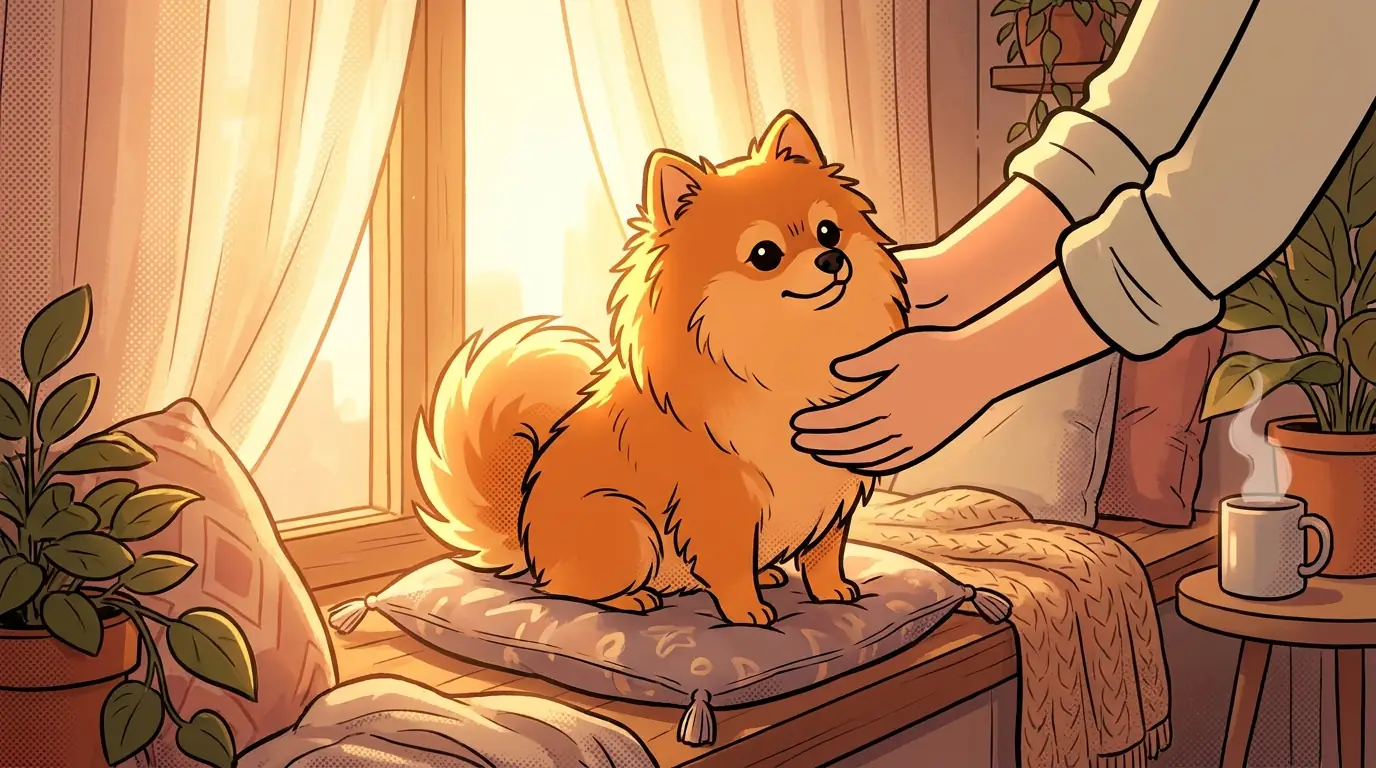
A Pomeranian may look like a tiny ball of fluff, but beneath that coat is a dog with some very specific health needs. From the characteristic “honking” cough to loose kneecaps, dental disease, and coat problems, there are several conditions that owners should learn to recognize early.
The challenge is that many of these issues develop gradually. A little cough here. A skipped step there. Slightly worse breath than usual. None of them seem urgent at first, which is exactly why they are often overlooked.
To find out what owners are most concerned about, we analyzed more than a thousand of the questions Pomeranian owners search for online, identified the ten topics that come up again and again, and put every one of them to Dr. Stefan Novevski, a licensed veterinarian (DVM), for clear, evidence-based answers.
This guide is the result. From tracheal collapse and luxating patella to coat care, dental health, nutrition, and longevity, these are the questions Pomeranian owners ask most often, answered from a veterinary perspective.
1. What health issues are Pomeranians most prone to, and what early warning signs should owners never ignore?
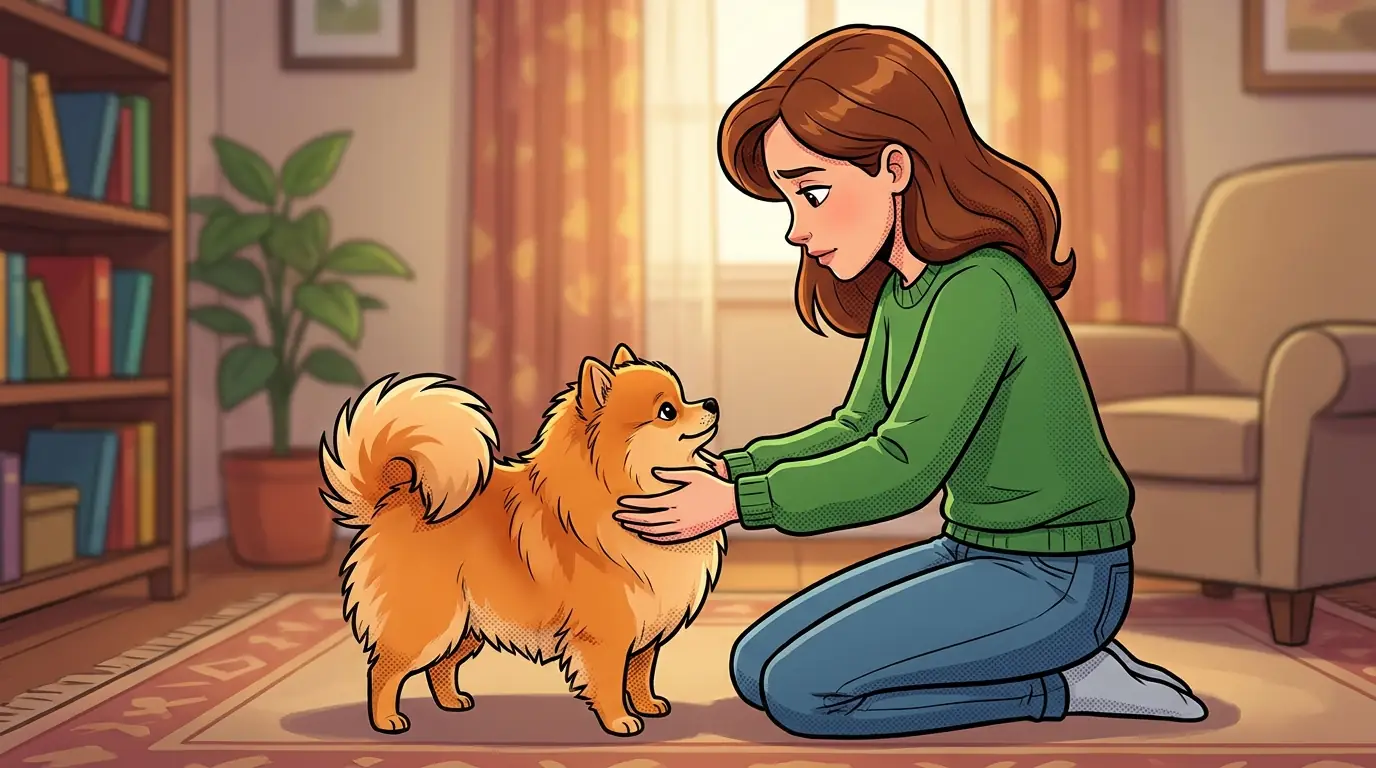
Pomeranians are small breed dogs with a predisposition to several chronic conditions affecting the respiratory, orthopedic, dental, cardiac, dermatologic, and neurological systems.
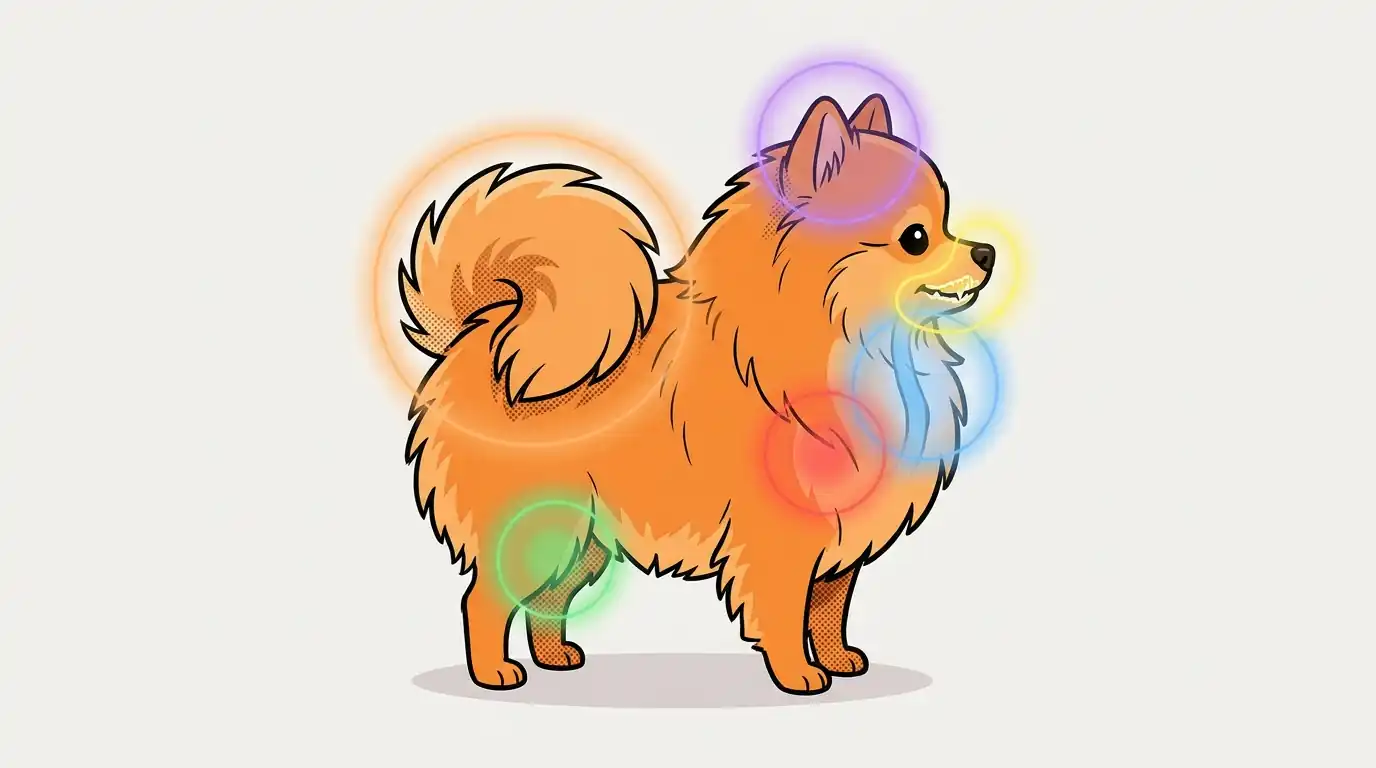
Because many of these conditions develop gradually, early recognition of subtle clinical changes is essential for long-term health and quality of life.
One of the most common conditions is tracheal collapse, a progressive weakening of the cartilage rings that support the windpipe. This can cause a dry “honking” cough, gagging, noisy breathing, or exercise intolerance, often worsening with excitement, heat, or pressure on the neck. Even early intermittent coughing should be taken seriously, as progression can significantly reduce airway stability over time. Luxating patella is another frequent orthopedic condition, where the kneecap intermittently slips out of position, leading to skipping, sudden hindlimb lifting, or an abnormal hopping gait.
Dental disease is extremely common in Pomeranians due to their small jaw size and tooth crowding. Early signs include persistent bad breath, tartar buildup, bleeding gums, difficulty chewing, or reduced appetite. If untreated, periodontal disease can progress to tooth loss and chronic oral discomfort, and may also contribute to systemic inflammation affecting overall health.
Skin and hormonal conditions may also occur. One notable condition in this breed is Alopecia X, a non-painful coat disorder characterized by progressive, symmetrical hair thinning or complete hair loss, most commonly over the trunk and tail. The skin typically remains normal without itching or infection. Although the exact cause is not fully understood, it is believed to involve abnormal hair follicle cycling and hormonal sensitivity. While it does not affect general health, it can lead to significant cosmetic change and owner concern, and the course of hair regrowth is highly variable between individuals.
Neurological conditions are less common but clinically important. Idiopathic epilepsy may occur and presents as recurrent seizures or episodes of disorientation and collapse. Some Pomeranians may also be affected by Chiari-like malformation, a developmental condition where the back part of the skull is relatively small for the brain structures in that region, leading to crowding and altered cerebrospinal fluid flow around the brain and spinal cord. In some cases, this can contribute to syringomyelia, where small fluid-filled cavities form within the spinal cord. This condition may present as neck pain, sensitivity when touched, coordination problems, or “phantom scratching” at the neck or shoulders, where the dog repeatedly scratches without making skin contact.
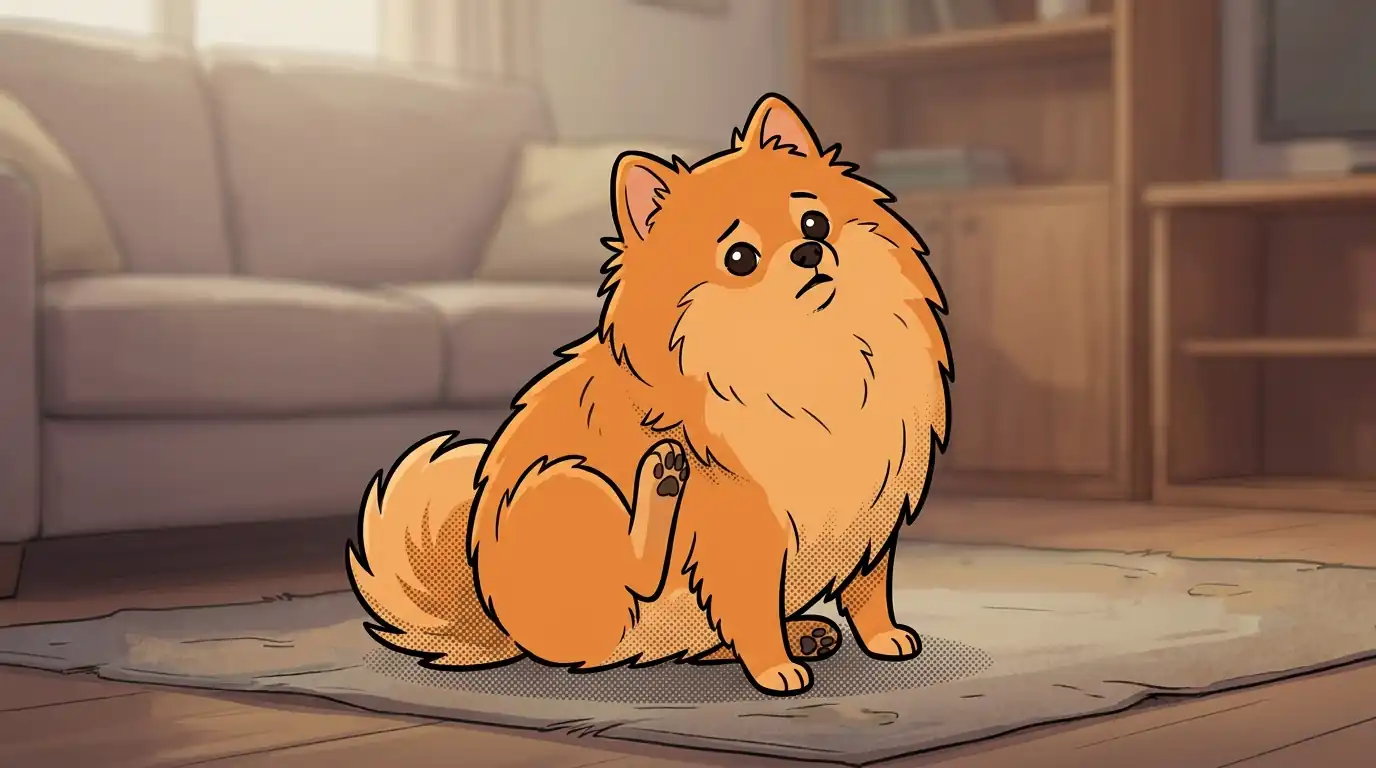
In some young Pomeranians, congenital hydrocephalus can develop, where abnormal accumulation of cerebrospinal fluid leads to increased pressure within the brain. This may result in a dome-shaped skull appearance, behavioral changes, visual abnormalities, or seizures. These conditions require early veterinary assessment, as severity and progression can vary widely.
Cardiac disease, particularly chronic valvular heart disease, may develop with age and can present as coughing, reduced exercise tolerance, or fainting episodes. In some cases, congenital heart defects such as patent ductus arteriosus (PDA) may be detected early in life and can affect growth and stamina.
Overall, the most important warning signs that should never be ignored include persistent coughing, breathing difficulty, sudden lameness, seizures, collapse episodes, unexplained hair loss, chronic dental pain, or significant changes in behavior or activity level. Early veterinary evaluation is essential for improving long-term outcomes in this breed.
2. Why does my Pomeranian cough or gag when running or drinking water, and could it be an early sign of tracheal collapse? Why is tracheal collapse so common in Pomeranians, and how can owners reduce the risk?
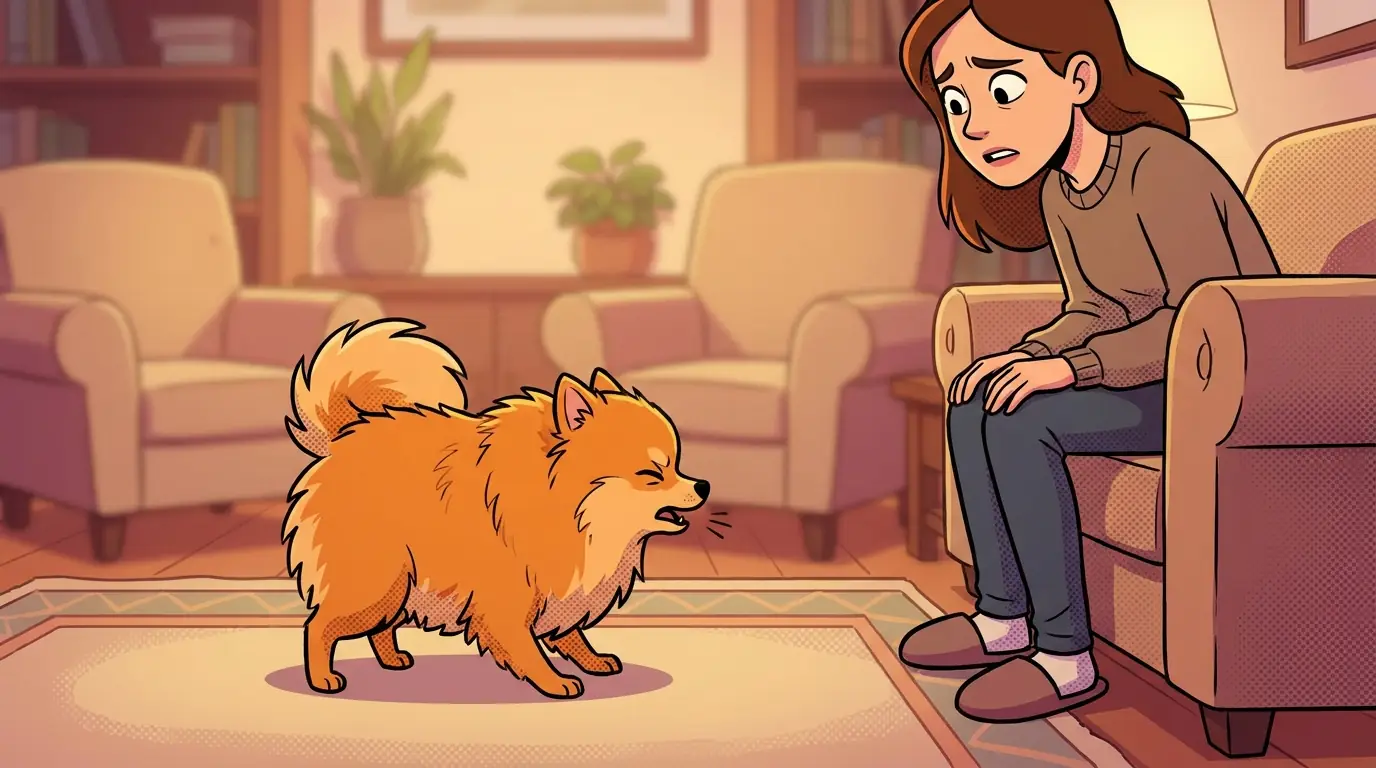
Coughing, gagging, or “retching” during exercise, excitement, or even after drinking water can be an early indicator of tracheal collapse, although other airway irritations may also contribute. In Pomeranians, these early signs should always be taken seriously, especially if they are recurrent or gradually worsening over time.
Tracheal collapse is a chronic, progressive condition in which the cartilage rings that support the windpipe gradually weaken and lose rigidity.
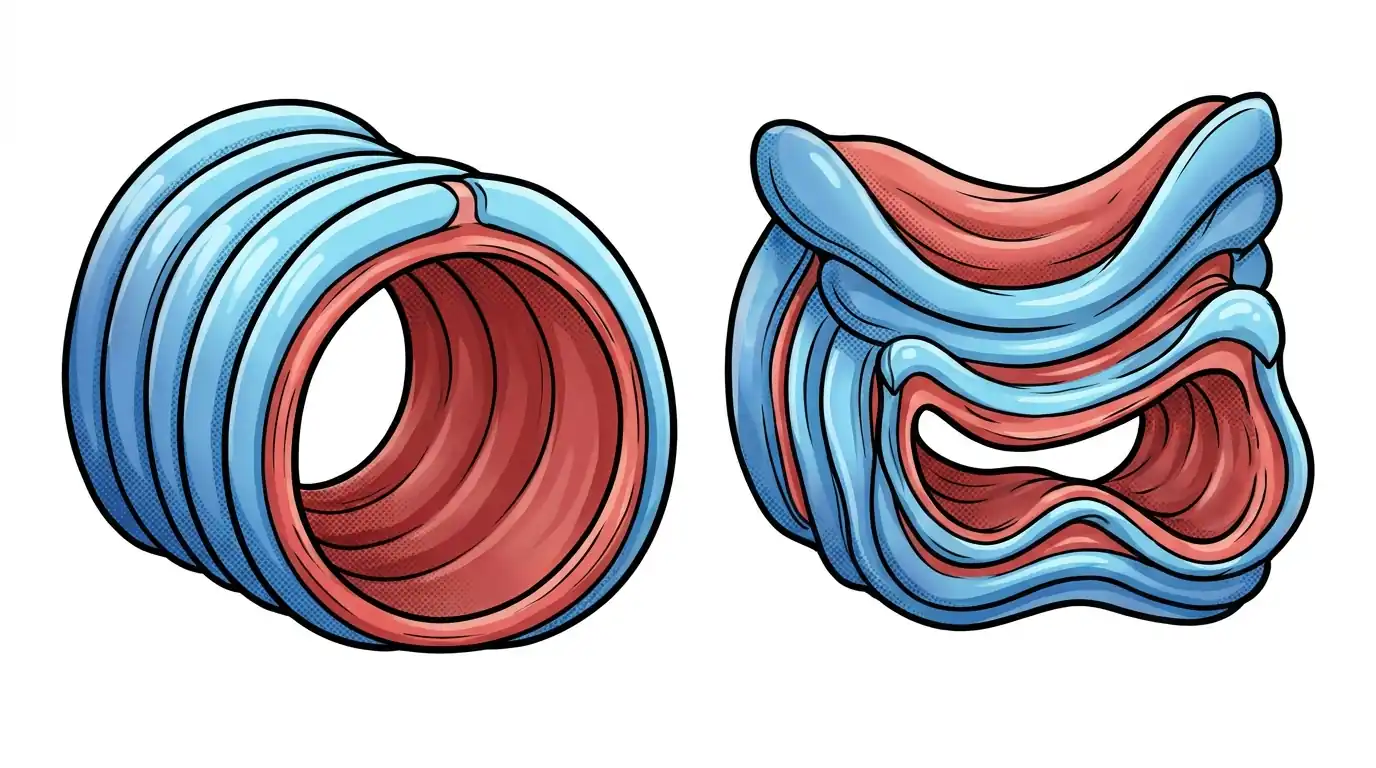
As the airway becomes less stable, it may partially flatten during breathing, particularly during increased airflow demands such as running, excitement, heat exposure, or pressure applied to the neck. This leads to the characteristic dry “honking” cough, gagging, or difficulty catching breath after activity or drinking. In early stages, symptoms may appear only occasionally, but over time they often become more frequent and easier to trigger.
Pomeranians are predisposed to this condition due to a combination of genetic factors and small airway anatomy, where the tracheal cartilage is inherently more fragile compared to larger breeds. Additional contributing factors include chronic airway irritation, environmental pollutants (such as smoke or dust), respiratory infections, and especially excess body weight, which increases the mechanical workload on the respiratory system. Neck pressure from collars can also exacerbate airway instability and trigger coughing episodes.
As the disease progresses, affected dogs may show exercise intolerance, increased respiratory effort, and coughing even at rest. Some dogs also develop secondary airway inflammation, which further worsens clinical signs and creates a cycle of chronic irritation.
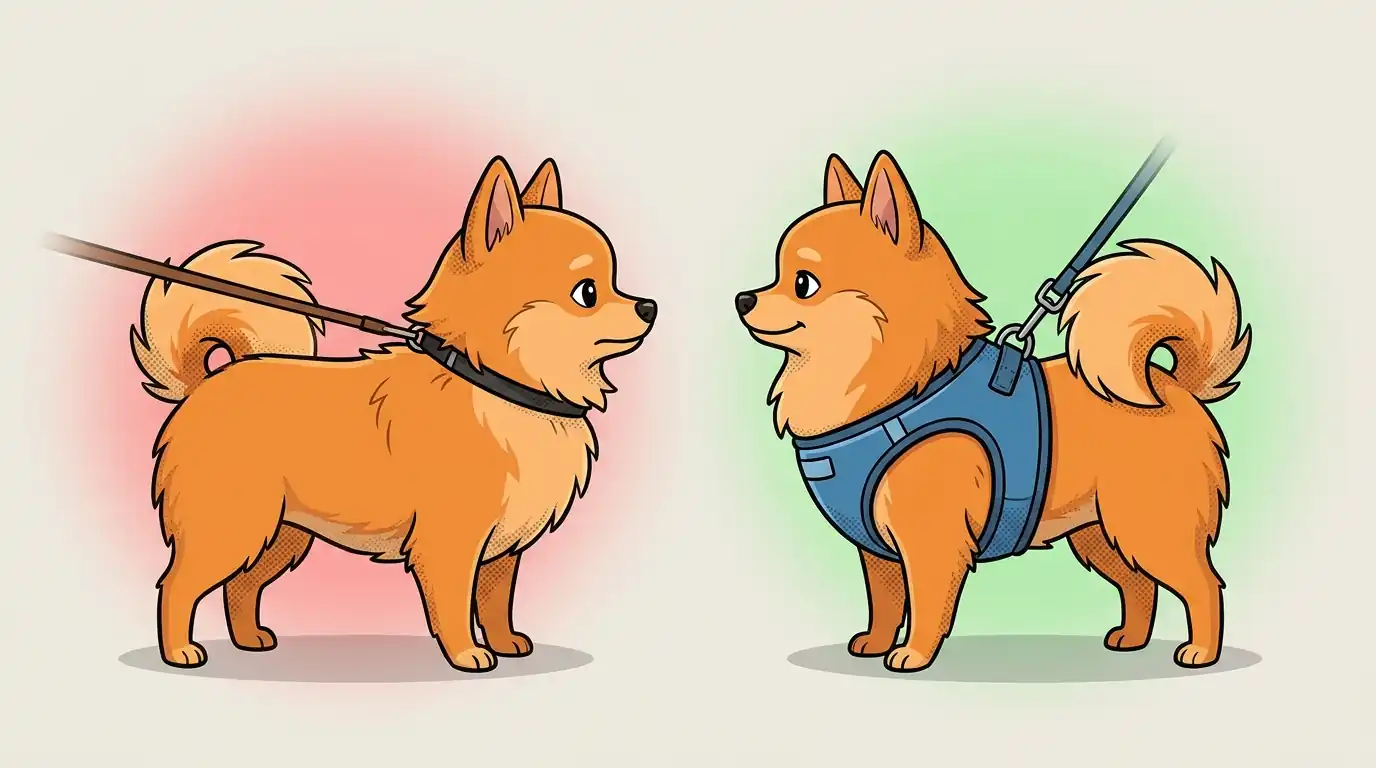
Management focuses on slowing progression and reducing airway stress. One of the most important preventive measures is maintaining a lean body condition, as obesity significantly worsens respiratory effort. The use of a body harness instead of a neck collar is strongly recommended to avoid direct pressure on the trachea. Environmental management, such as avoiding smoke exposure, noxious gases, dust, and environmental allergens, and limiting overheating or excessive excitement, can also help reduce symptom frequency.
In more advanced cases, veterinary treatment may include cough suppressants, anti-inflammatory medications, or bronchodilator therapy to improve comfort and breathing efficiency. Severe cases may require more advanced interventional or surgical management depending on disease progression.
Overall, early recognition is key. Intermittent coughing or gagging in a Pomeranian should never be considered normal and should be evaluated early, as timely intervention can significantly improve long-term airway stability and quality of life.
3. Why do so many Pomeranians develop luxating patella, what early signs should owners watch for, and can it be prevented from getting worse?
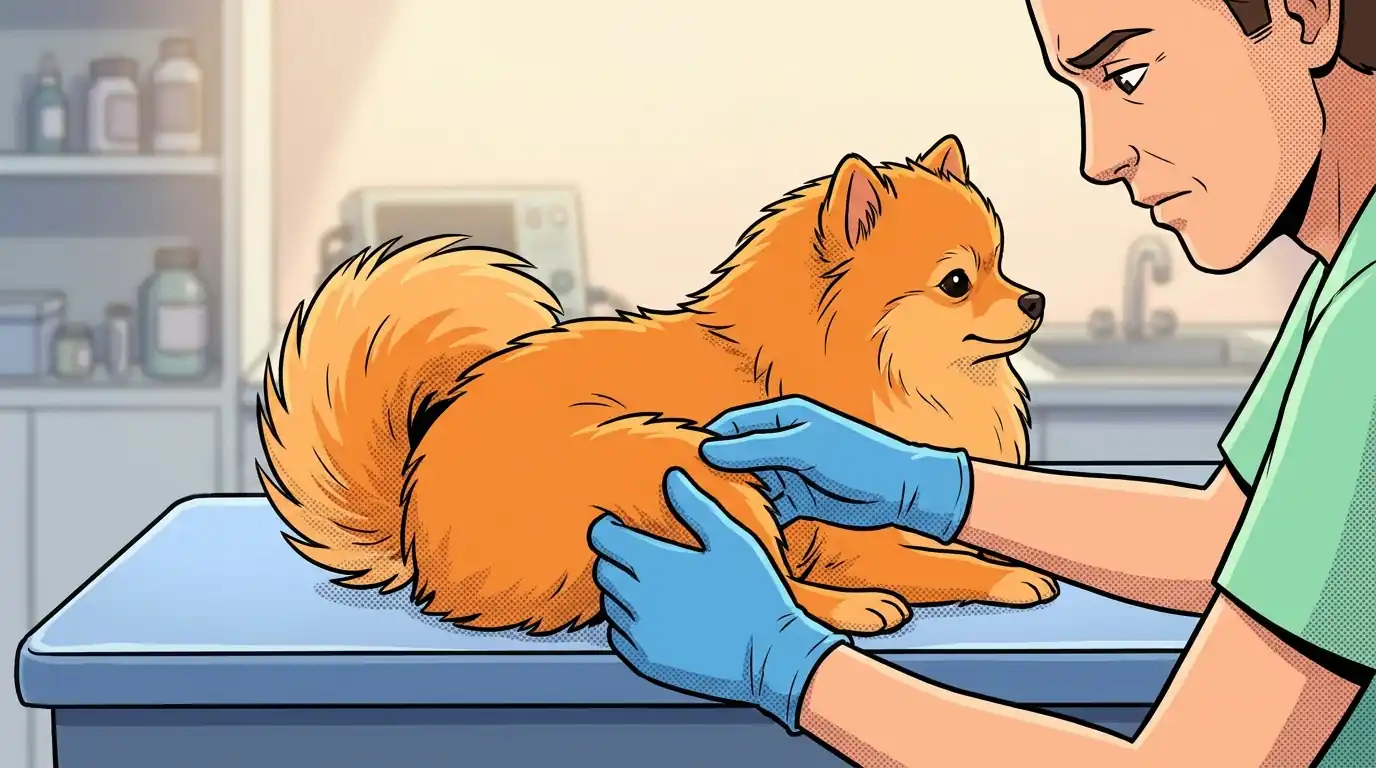
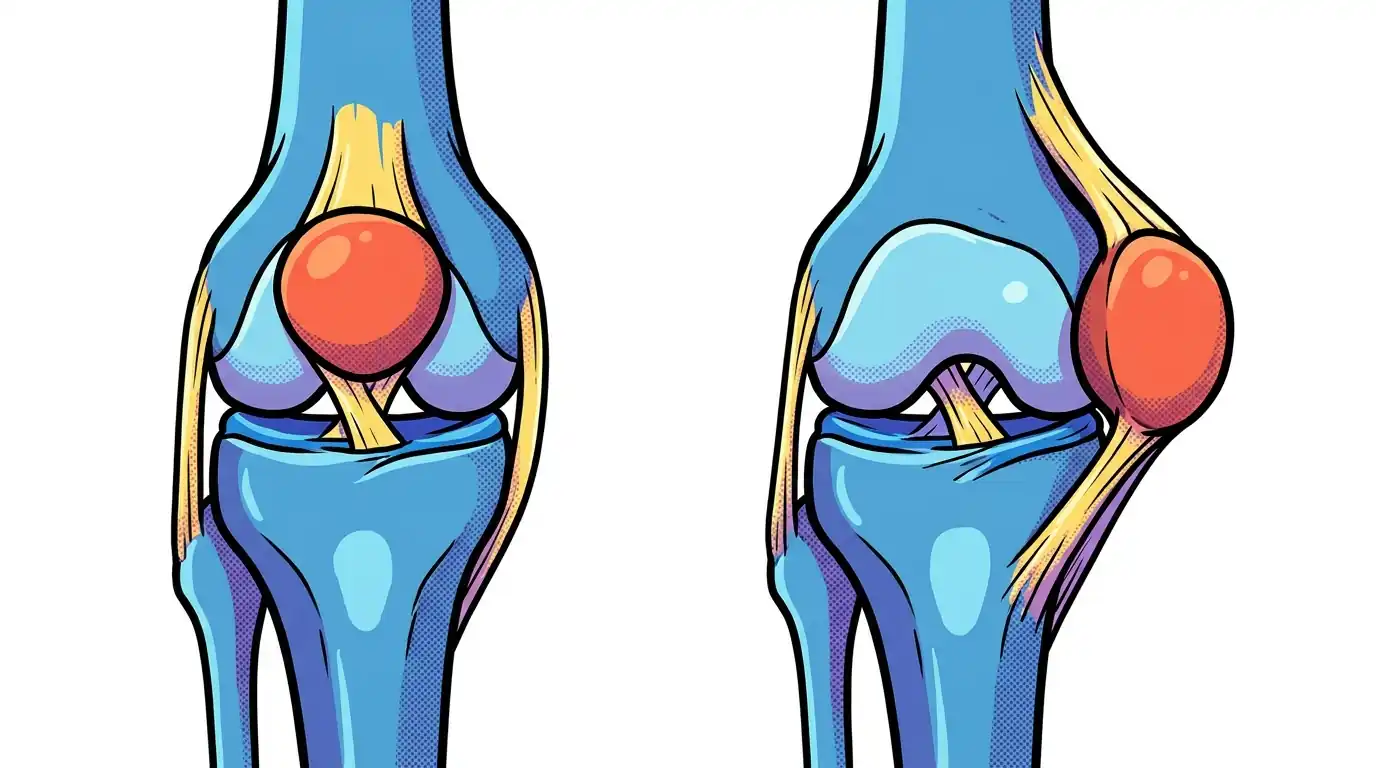
Luxating patella is one of the most common orthopedic conditions in Pomeranians. It occurs when the kneecap (patella) is unstable and moves out of its normal position within the knee joint, either intermittently or permanently in more severe cases. In many cases, this is not caused by a single injury, but rather by underlying anatomical and developmental factors that affect how the limb is aligned during growth.
Pomeranians are predisposed because of a combination of genetic conformation traits and small breed skeletal structure. In affected dogs, the alignment of the hip, femur, knee, and tibia may not develop in perfect straight alignment. This can result in a shallow femoral groove or altered tendon pull on the kneecap, making it easier for the patella to dislocate medially (most commonly) during movement. Over time, repeated displacement can lead to inflammation, cartilage wear, and early-onset arthritis.
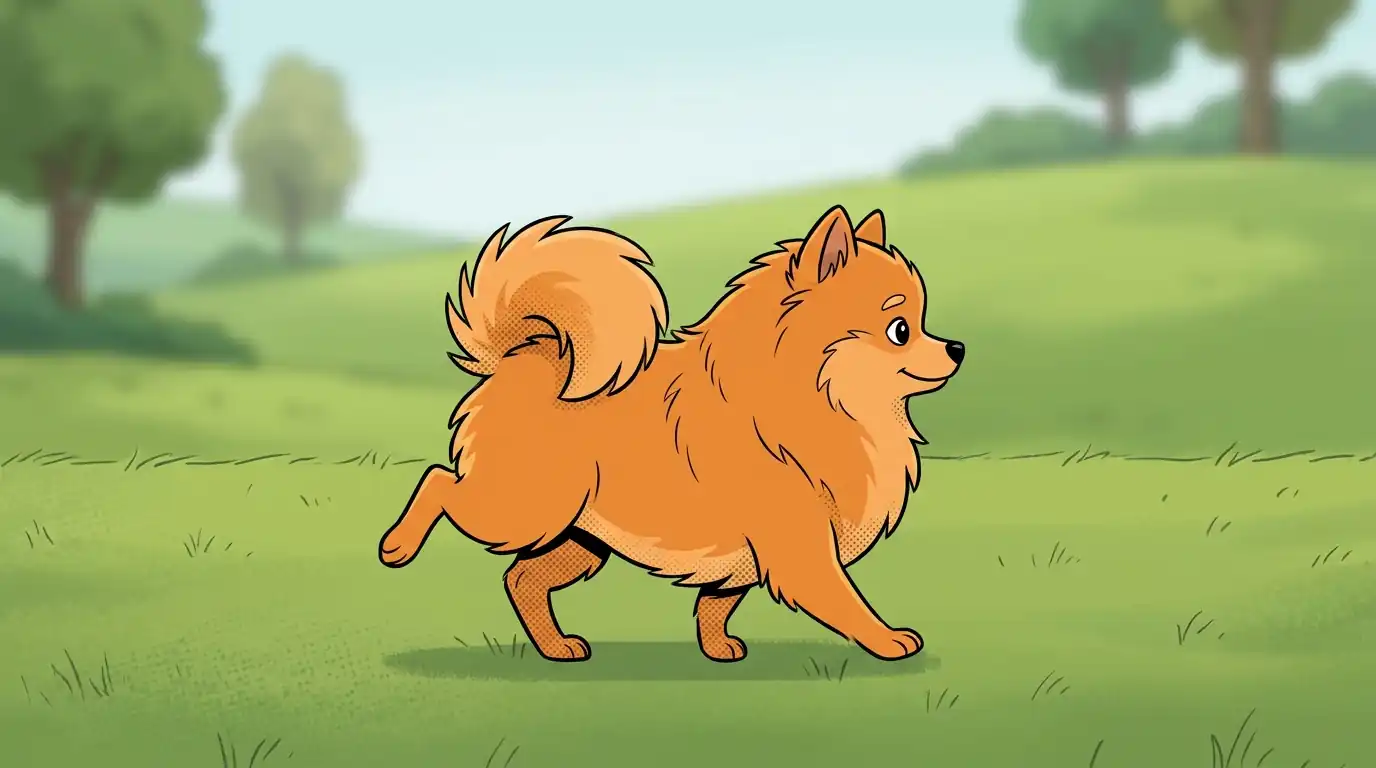
Early clinical signs are often intermittent and subtle. Owners may notice a characteristic “skipping” or hopping gait, where the dog suddenly lifts one hind leg for a few steps and then returns to normal walking. Some dogs may briefly stop, stretch the leg backward, or shake the limb before continuing activity. In milder cases, there may only be occasional stiffness after exercise, while more advanced cases can show persistent lameness, reduced activity, or visible difficulty extending the knee.
The condition is typically graded in severity from mild intermittent luxation to permanent displacement. In early stages, the patella may spontaneously return to its normal position, which is why symptoms can appear inconsistent in young dogs.
Prevention is not always possible because the condition is largely developmental and genetic, but progression can often be slowed. Maintaining a lean body condition is one of the most important factors, as excess weight increases mechanical stress on the stifle joint. Controlled, regular exercise that avoids sudden twisting or jumping can also help reduce joint strain. In some cases, early veterinary assessment may recommend physiotherapy or targeted muscle strengthening to improve limb stability.
If the condition progresses, veterinary management may include pain control, anti-inflammatory therapy, or surgical correction in more severe grades where joint instability significantly affects mobility or quality of life. Early intervention generally leads to better long-term outcomes and can reduce the risk of chronic degenerative joint disease.
Overall, intermittent skipping, sudden hindlimb lifting, or abnormal hopping in a Pomeranian should never be ignored, as early recognition plays a key role in preventing long-term joint damage.
4. What is the average lifespan of a Pomeranian, and what actually helps some Poms live much longer than others?
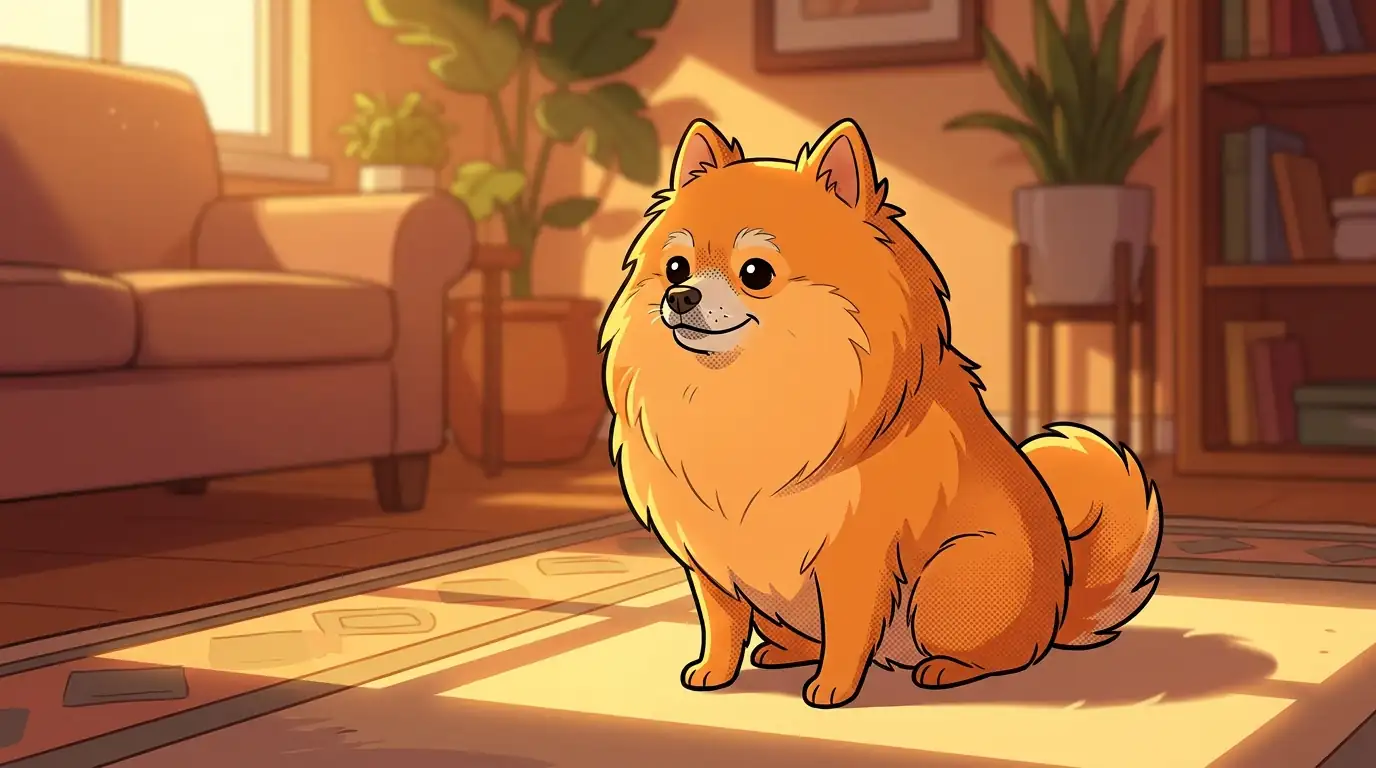
Pomeranians are generally considered one of the longer-lived dog breeds, with an average lifespan of approximately 12 to 16 years. Genetics certainly play a role, but longevity is also heavily influenced by preventive healthcare, body condition, dental health, nutrition, and early recognition of disease.
One of the most important factors associated with a longer lifespan is maintaining a lean body condition throughout life. Excess body weight increases stress on the joints, heart, and respiratory system and is associated with a higher risk of chronic disease. Studies across multiple breeds have shown that dogs maintained at an ideal body condition tend to live longer and experience fewer age-related health problems than overweight dogs.
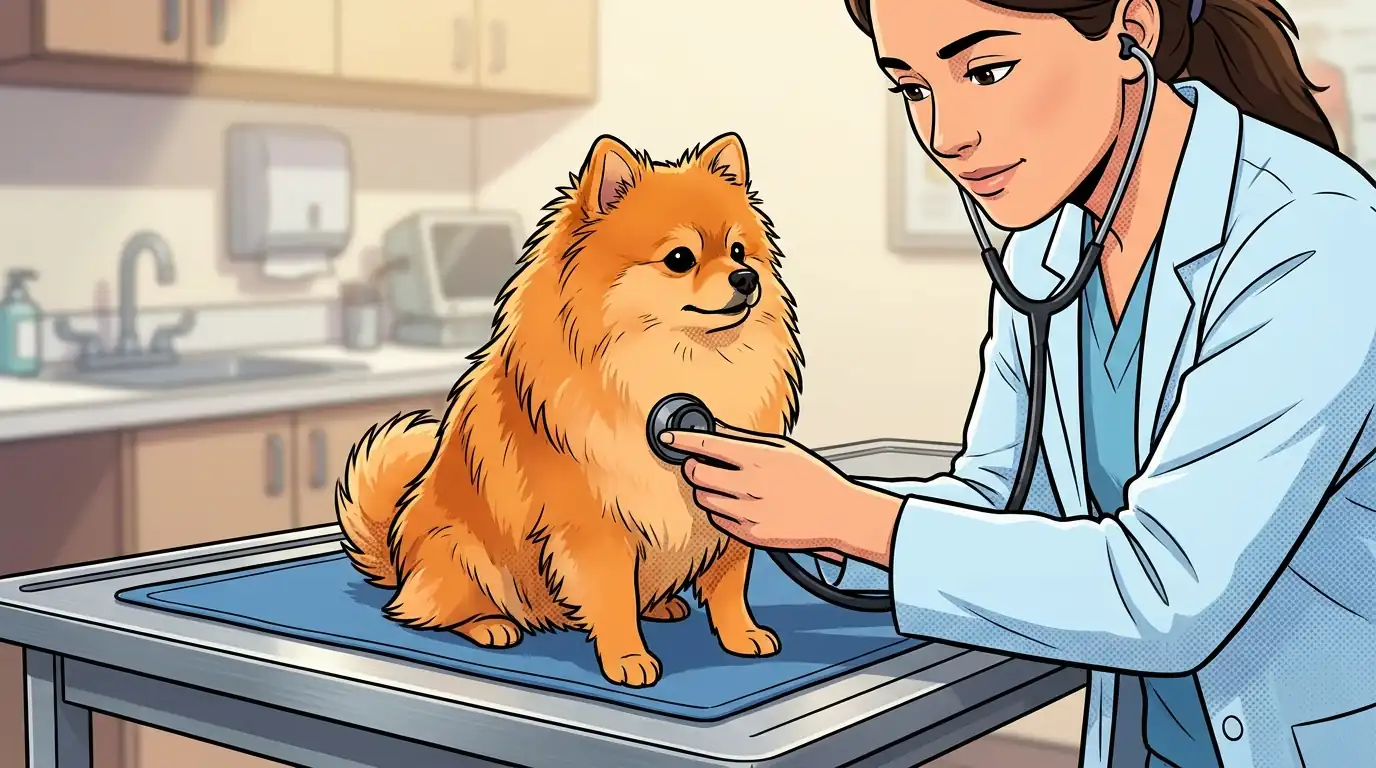
Preventive veterinary care is another major contributor to longevity. Regular examinations allow earlier detection of conditions commonly seen in Pomeranians, including dental disease, tracheal collapse, chronic valvular heart disease, luxating patella, and endocrine disorders. Many of these conditions develop gradually and may be managed more successfully when identified in their early stages.
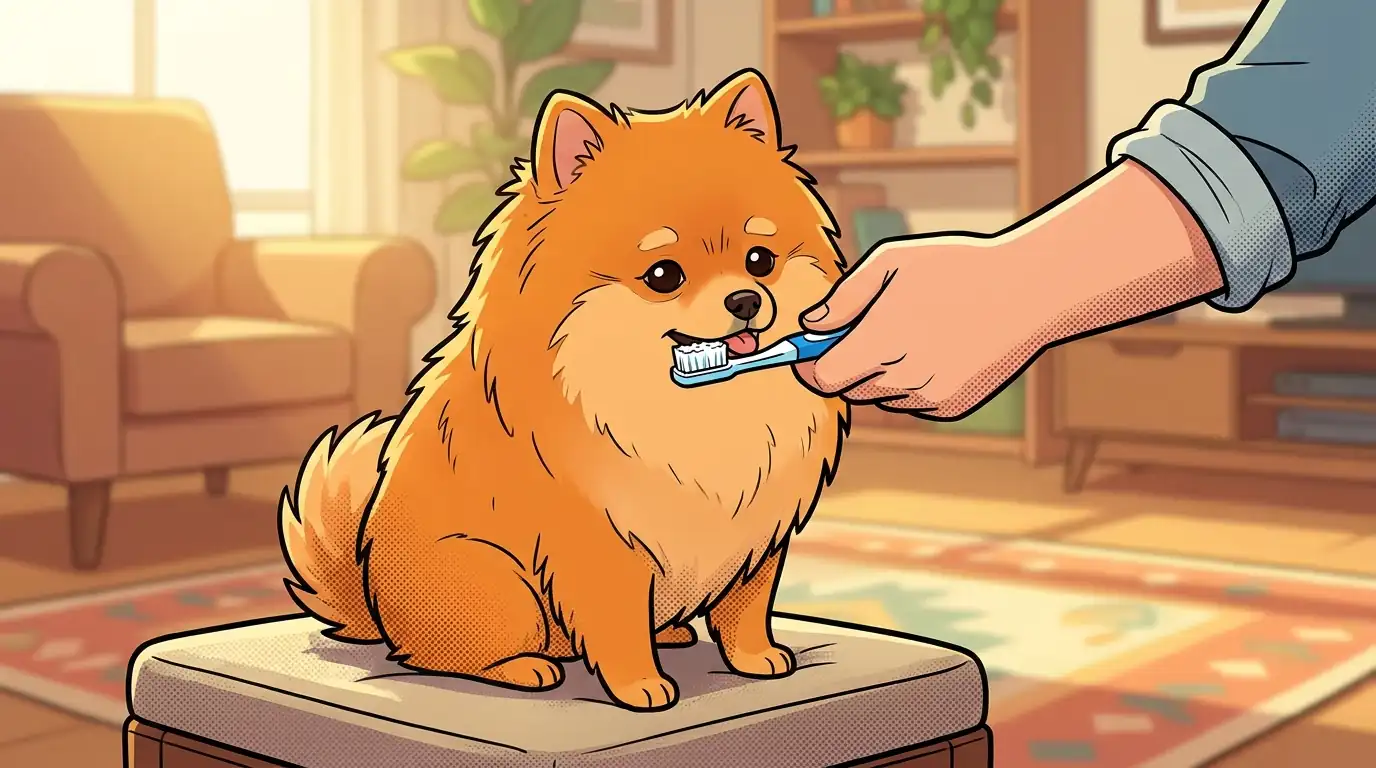
Dental health deserves particular attention in this breed. Due to their small jaw size and tendency toward tooth crowding, Pomeranians are highly susceptible to periodontal disease. Chronic dental infection can cause pain, tooth loss, and persistent inflammation. Regular tooth brushing, professional dental assessments, and timely treatment of dental disease can significantly improve both quality of life and long-term health.
Nutrition also plays an important role. Feeding a high-quality, complete, and balanced diet appropriate for the dog’s life stage helps support healthy body weight, immune function, and muscle maintenance. Senior dogs may benefit from nutritional adjustments based on their individual health status, but unnecessary dietary restrictions should be avoided unless medically indicated.
Physical activity remains important throughout life. Regular low-impact exercise helps maintain muscle mass, joint function, cardiovascular health, and mental stimulation. Activity should be adjusted to the individual dog’s age and physical condition, particularly if orthopedic or respiratory disease develops later in life.
Owners should also pay attention to subtle changes that often accompany aging, including reduced activity, weight loss, increased thirst, coughing, behavioral changes, declining vision, or decreased mobility. These signs are frequently attributed to “old age” but may indicate treatable medical conditions. For senior dogs, twice-yearly veterinary examinations and appropriate diagnostic screening can help identify age-related diseases before obvious clinical signs develop.
Ultimately, the Pomeranians that live the longest are often those that combine good genetics with consistent preventive care, excellent dental hygiene, appropriate nutrition, weight management, regular exercise, and early veterinary intervention when health problems arise.
5. What are the pros and cons of shaving a Pomeranian’s double coat, when is it medically necessary, and can the coat be permanently damaged afterward?
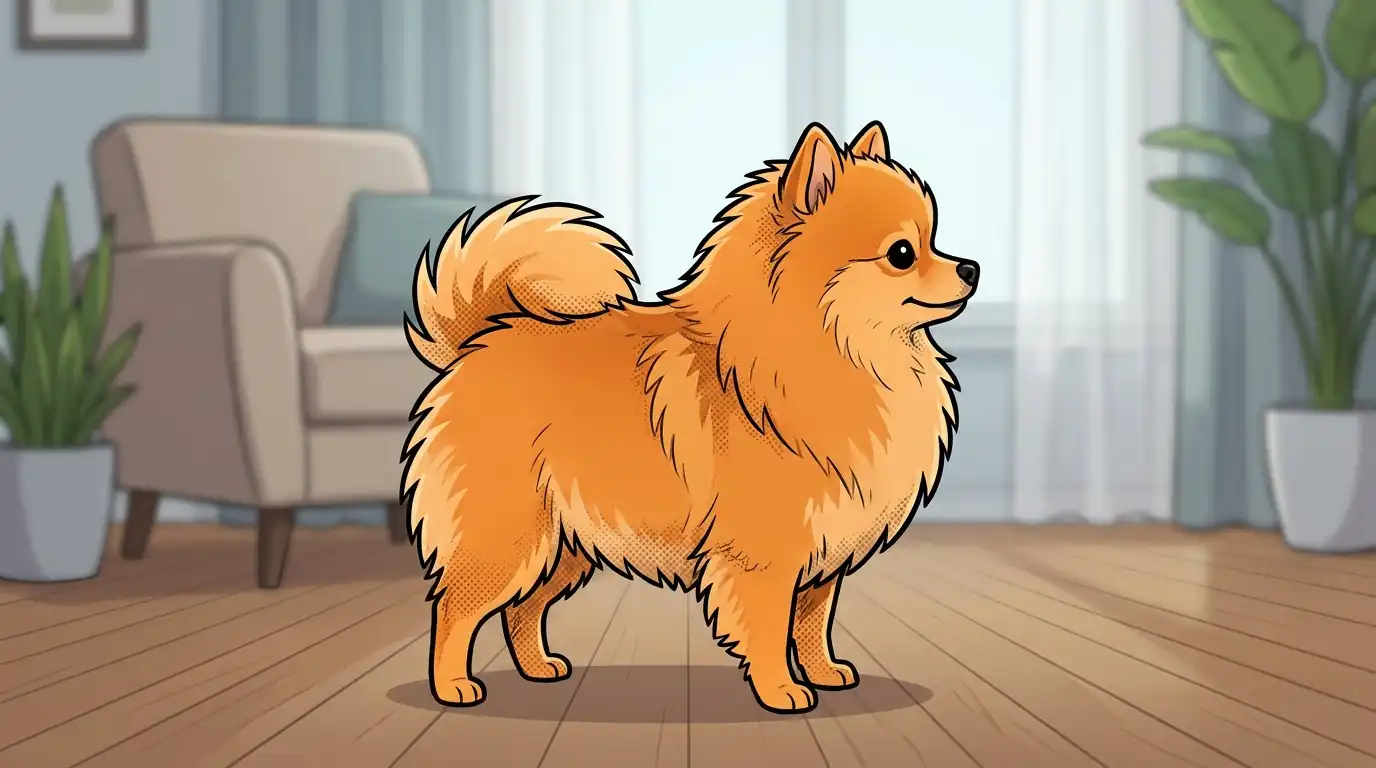
Pomeranians have a double coat, consisting of a soft, dense undercoat and a longer outer coat of guard hairs. This coat serves several important functions, including insulation from both cold and heat, protection from ultraviolet (UV) radiation, and shielding the skin from minor trauma and environmental exposure. Because of these functions, routine shaving is generally not recommended for healthy Pomeranians.
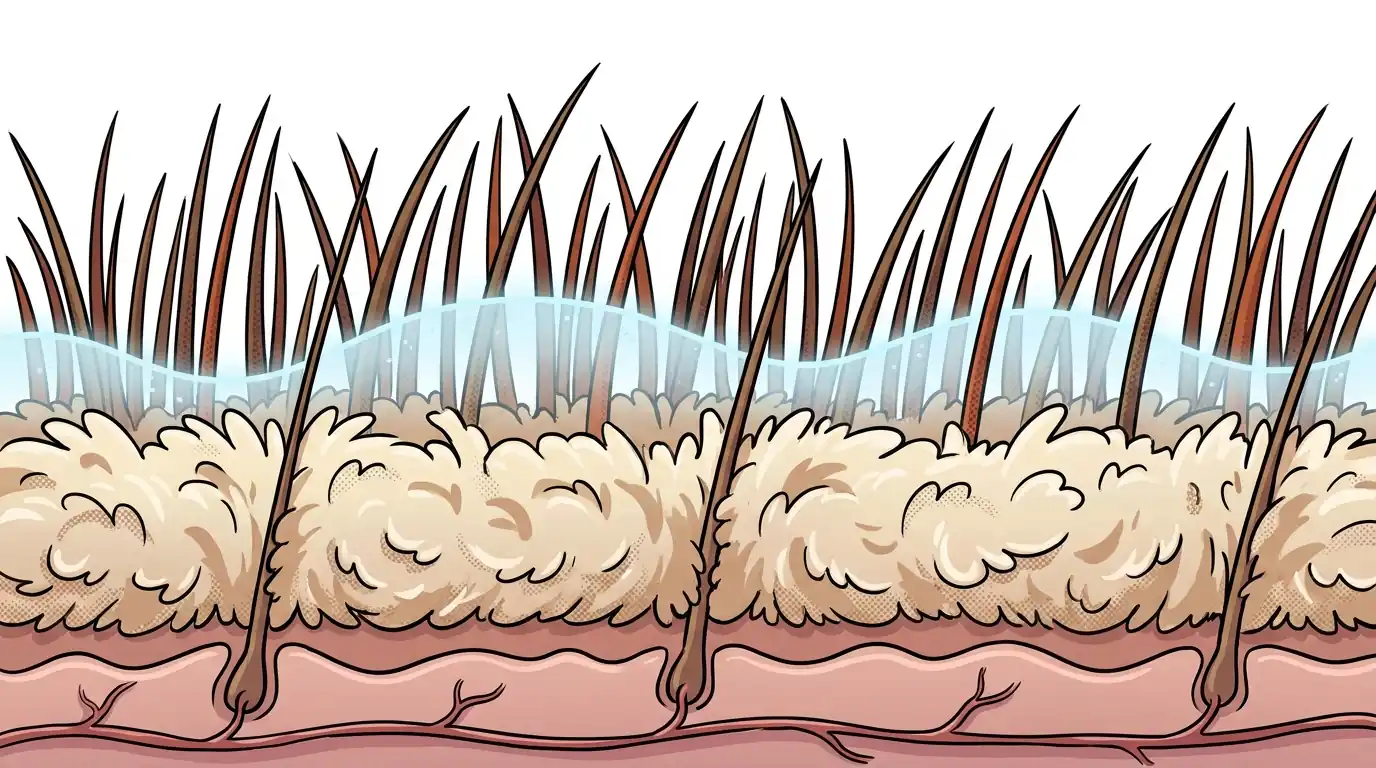
A common misconception is that shaving helps dogs stay cooler during hot weather. In reality, a healthy double coat helps regulate temperature by trapping a layer of air close to the body and reducing direct heat exposure to the skin. While shaving removes hair, it does not address a dog’s primary cooling mechanism, which is panting. After shaving, the skin may actually become more vulnerable to overheating, sunburn, and environmental irritation.
There are, however, situations where shaving may be medically necessary. Severe tangling and knotting of the coat (matting) is one of the most common reasons. Dense mats can trap moisture, debris, and bacteria against the skin, leading to discomfort, skin infections, and reduced air circulation. Shaving may also be required to allow treatment of certain dermatologic conditions, such as pyotraumatic dermatitis (hot spots), facilitate surgical procedures, manage wounds, or improve access to areas requiring medical care. In these situations, the benefits of clipping the coat generally outweigh the risks.
One of the biggest concerns with shaving a Pomeranian is the possibility of post-clipping alopecia.
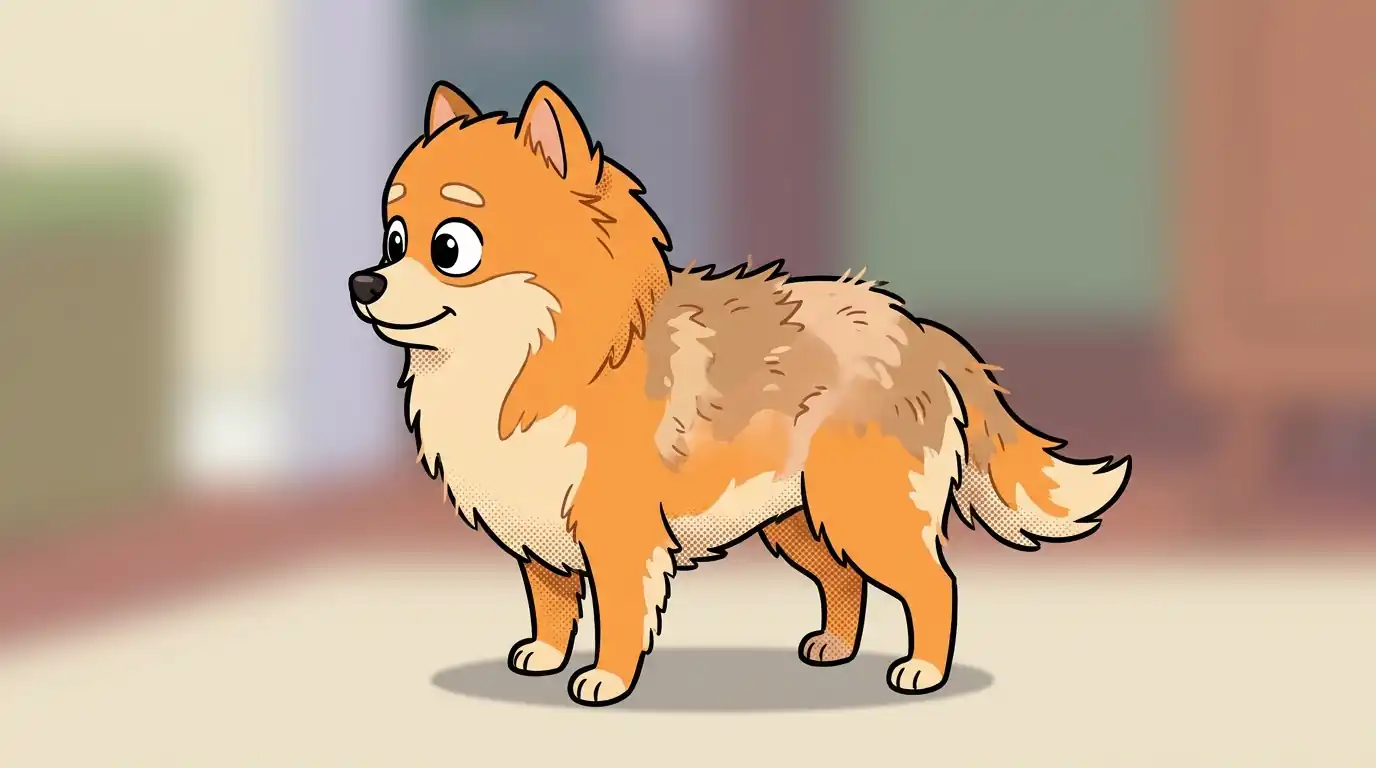
In some dogs, particularly those predisposed to conditions such as Alopecia X, the coat may regrow very slowly, unevenly, or in a different texture than before. Some areas may develop persistent thinning, while in rare cases, portions of the coat may not fully return to their previous appearance. The exact reason this occurs is not completely understood, but it is thought to involve disruption of normal hair follicle cycling in susceptible individuals.
For most Pomeranians, routine coat maintenance is a better alternative than shaving. Regular brushing helps remove loose undercoat, prevents mat formation, improves air circulation through the coat, and allows early detection of skin problems. Professional grooming can also help manage coat density without removing the protective function of the double coat.
Overall, shaving should generally be reserved for specific medical or welfare reasons rather than cosmetic preference. While many Pomeranians regrow their coat normally after clipping, owners should understand that coat regrowth can be unpredictable, and in some dogs, permanent changes in coat quality or density may occur.
6. What is the Pomeranian “puppy uglies” stage, how long does it last, and when will the adult coat fully come in?
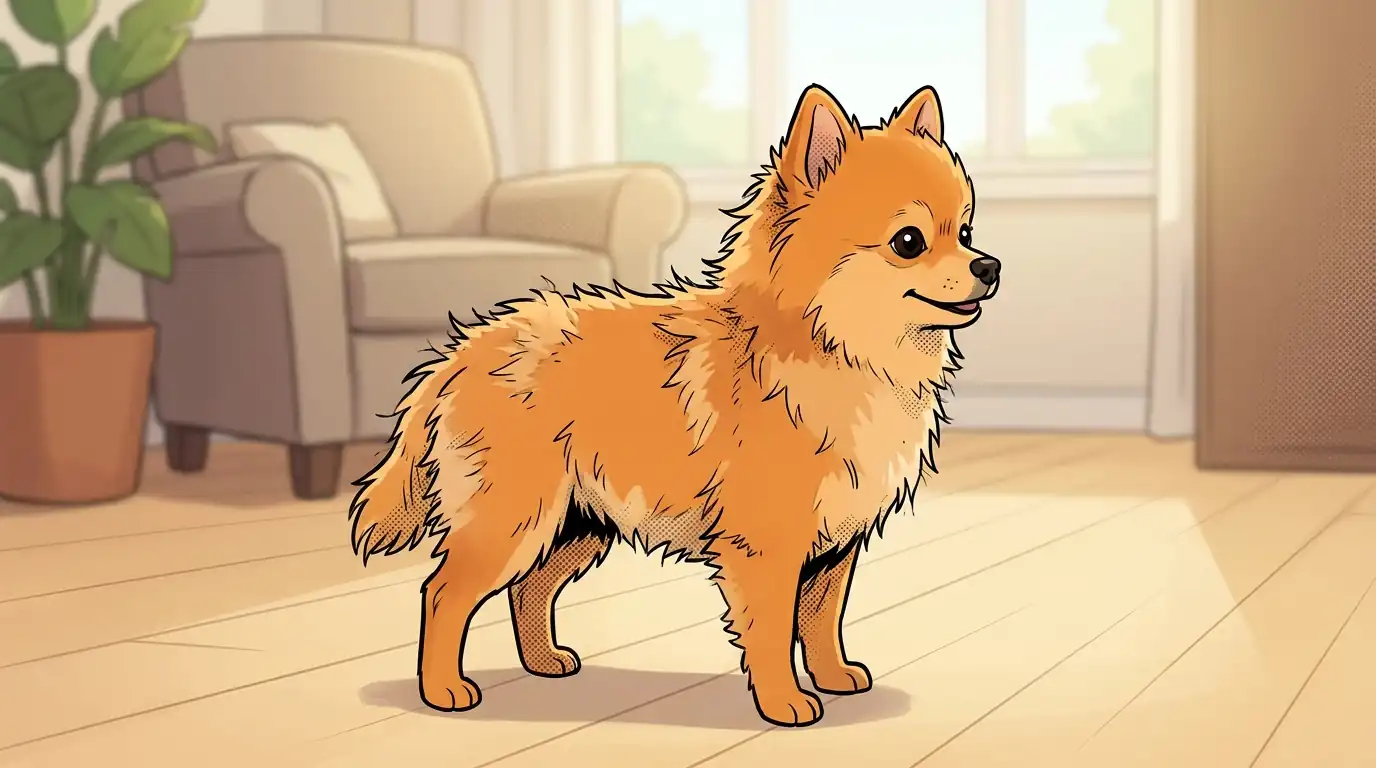
The term “puppy uglies” is commonly used by Pomeranian owners and breeders to describe a normal developmental stage during which a puppy sheds its soft puppy coat before the adult double coat has fully developed. Although the appearance can be surprising, this phase is a normal part of coat maturation and is not considered a disease.
Most Pomeranian puppies begin transitioning from their puppy coat between approximately 4 and 6 months of age, although the timing varies between individuals. During this period, puppies often lose large amounts of their soft, fluffy coat while the adult guard hairs and undercoat are still developing. As a result, the coat may appear thin, uneven, patchy, dull, or unkempt compared to the plush appearance many owners expect from the breed.
This stage can be particularly noticeable around the neck, chest, shoulders, and hindquarters. Some puppies temporarily appear much less fluffy than they did a few weeks earlier, which can cause concern among owners who are unfamiliar with the normal coat transition process. In most cases, however, the dog remains healthy and comfortable despite the dramatic change in appearance.
The reason this occurs is that the puppy coat and adult coat grow in different cycles. As the softer puppy hairs are shed, the mature double coat gradually develops. The adult coat consists of a dense insulating undercoat and longer protective guard hairs that give the breed its characteristic appearance. Because these coat components mature at different rates, there is often a period where the puppy appears to have less coat overall before the adult coat fills in.
Most Pomeranians begin showing noticeable improvement by 8 to 12 months of age, but complete coat development usually takes considerably longer.
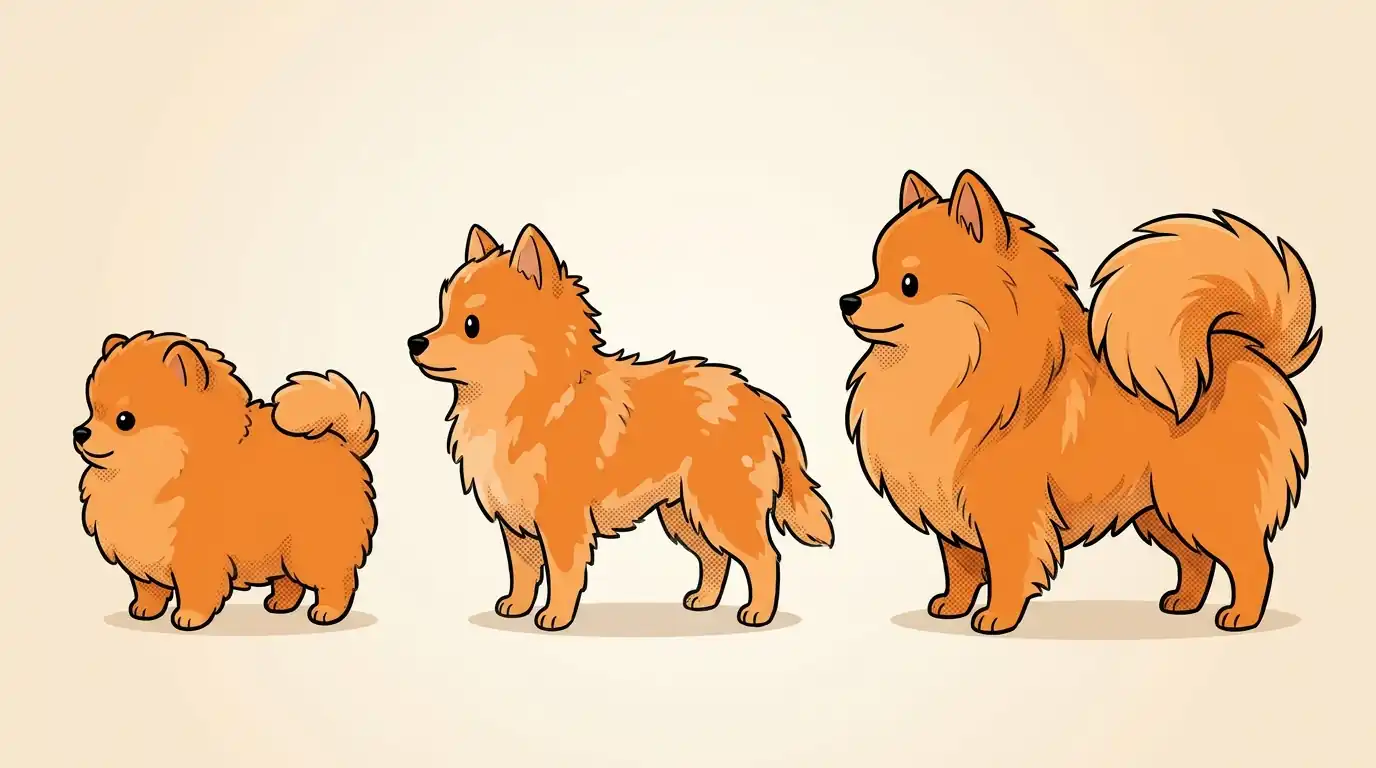
Many dogs do not achieve their full adult coat until approximately 12 to 18 months of age, and some individuals continue developing coat density and fullness until around 2 years of age.
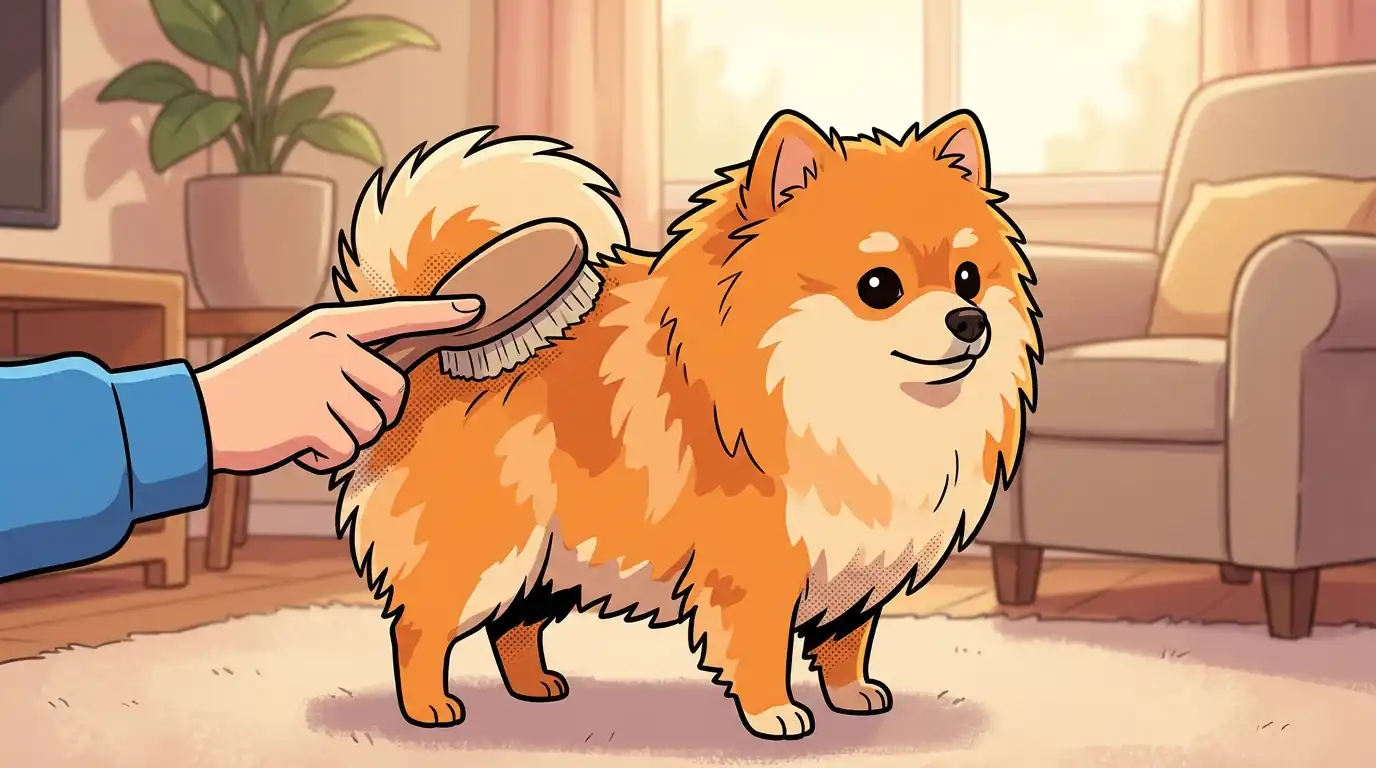
During this transition, regular grooming remains important. Gentle brushing helps remove loose hair, prevent tangles, and maintain skin health. Owners should avoid excessive trimming or shaving in an attempt to improve appearance, as the coat is already undergoing a natural growth cycle and generally requires patience rather than intervention.
If hair loss is accompanied by significant itching, redness, skin infection, foul odor, poor growth, or failure of the coat to improve over time, veterinary evaluation is recommended. Conditions such as parasites, hormonal disorders, or coat abnormalities like Alopecia X can sometimes mimic abnormal coat development.
Overall, the “puppy uglies” stage is a normal developmental process rather than a health problem. With time, proper nutrition, routine grooming, and patience, the vast majority of Pomeranians develop the dense adult double coat that the breed is known for.
7. Why does my Pomeranian suddenly stop eating, and when should I be concerned enough to call a vet?
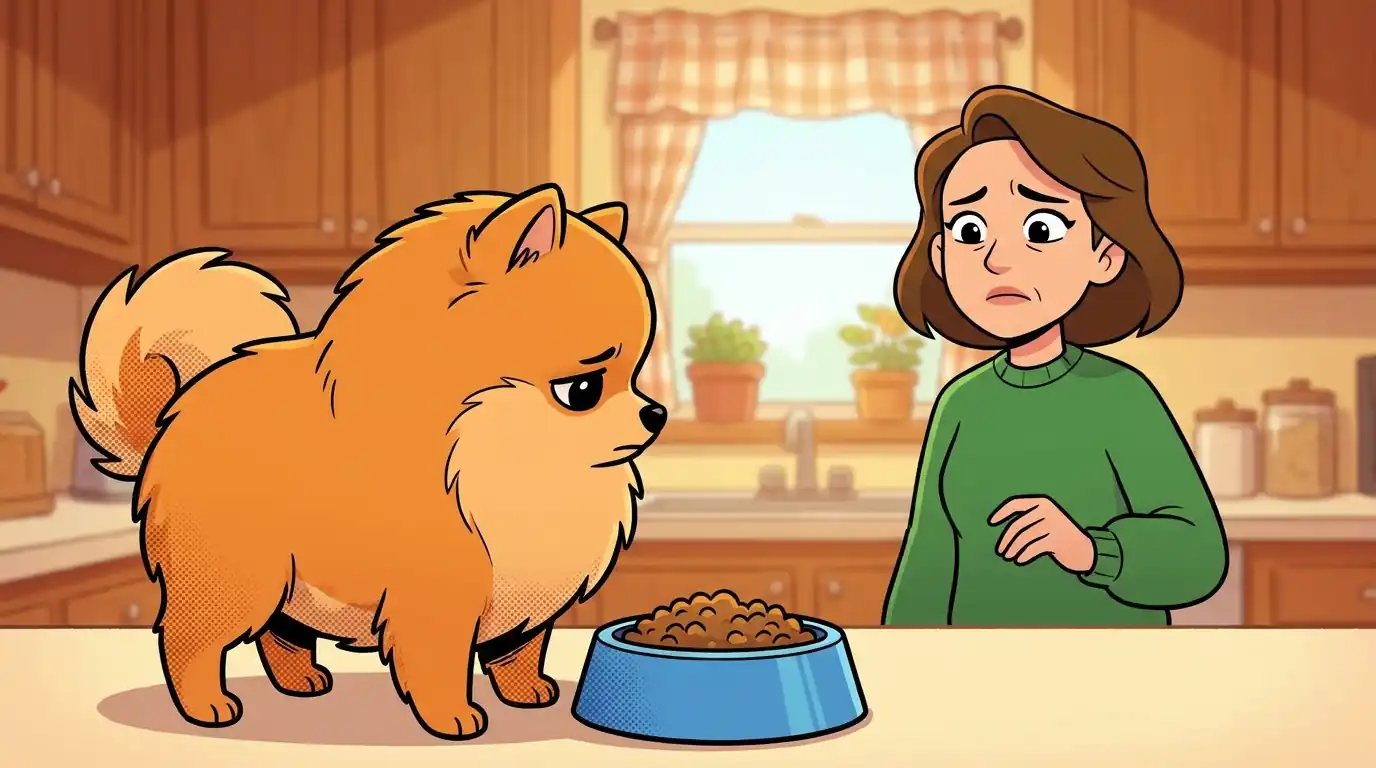
A sudden decrease in appetite or complete refusal to eat is never something that should be dismissed, particularly in a small breed dog such as a Pomeranian. While some cases may be caused by relatively minor issues such as stress, dietary changes, or temporary gastrointestinal upset, loss of appetite can also be an early sign of significant underlying disease.
One of the most common causes of reduced appetite in Pomeranians is dental disease.
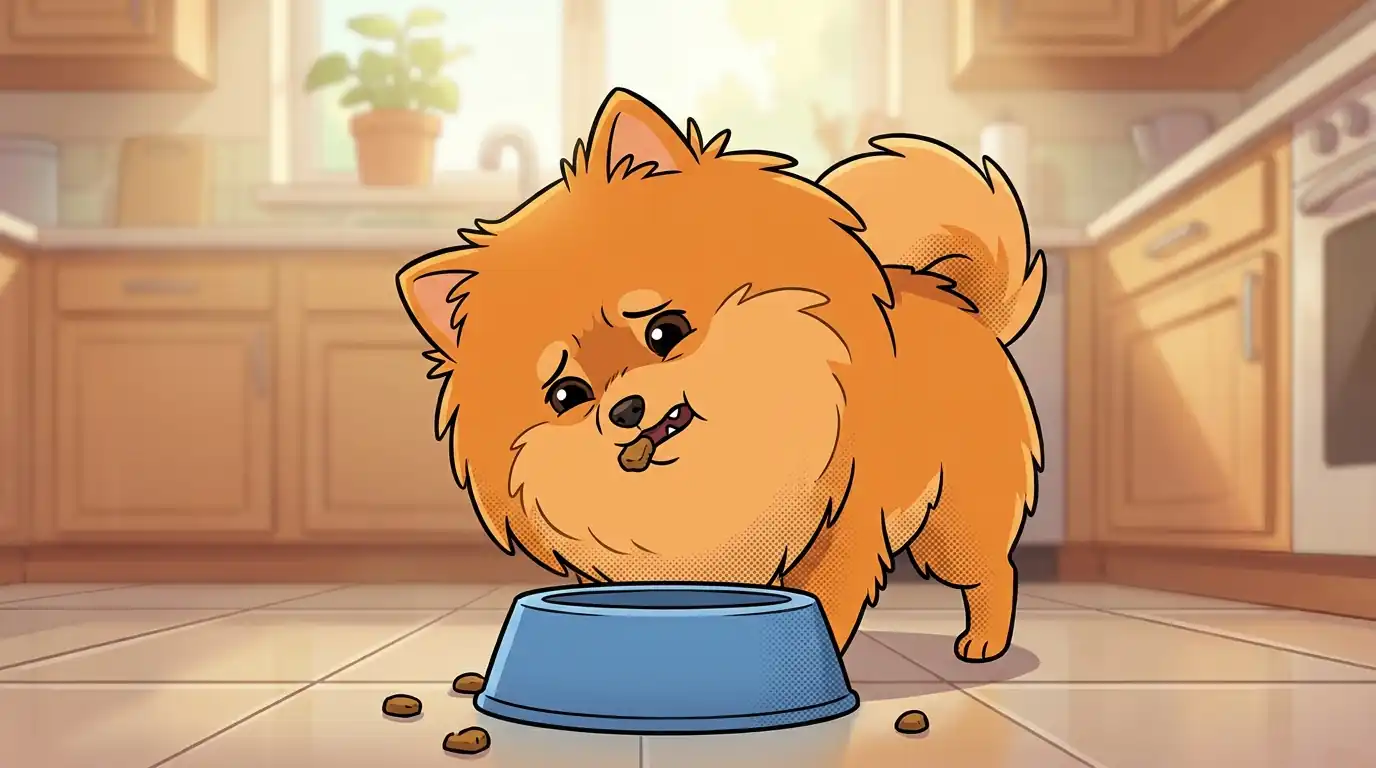
Because of their small jaw size and crowded teeth, Pomeranians are highly prone to periodontal disease, tooth root infections, and oral pain. Dogs with dental discomfort may approach their food bowl but hesitate to eat, chew only on one side of the mouth, drop food while eating, or prefer softer foods. Bad breath, inflamed gums, and visible tartar accumulation are additional warning signs.
Gastrointestinal problems are another frequent cause. Dietary indiscretion, sudden food changes, intestinal inflammation, pancreatitis, foreign body ingestion, and gastrointestinal infections can all reduce appetite. These conditions are often accompanied by vomiting, diarrhea, abdominal discomfort, excessive drooling, or lethargy.
Respiratory and cardiac disease may also contribute. Pomeranians are predisposed to tracheal collapse, and older dogs may develop chronic valvular heart disease. In some cases, dogs experiencing significant respiratory distress or advanced cardiac disease may become less interested in food because breathing becomes more difficult or because they feel generally unwell.
Less commonly, endocrine and metabolic disorders such as hypoadrenocorticism (Addison’s disease), liver disease, kidney disease, or systemic infections can lead to appetite loss. Neurological disease, chronic pain, and certain medications may also affect food intake.
Owners should pay attention not only to whether the dog is eating, but also to other accompanying signs. Vomiting, diarrhea, coughing, breathing difficulty, collapse, weakness, abdominal distension, pale gums, marked lethargy, or signs of pain increase the likelihood that a more serious condition is present.
As a general guideline, a healthy adult Pomeranian that skips a single meal but otherwise remains bright, active, and well hydrated may simply require close monitoring. However, veterinary attention should be sought sooner if appetite loss persists beyond 24 hours, if the dog refuses both food and water, or if any additional clinical signs develop.
Puppies deserve particular caution because they have limited energy reserves and may be at risk of hypoglycemia (low blood sugar) if they stop eating for prolonged periods.
Overall, sudden appetite loss is a clinical sign rather than a diagnosis. While some causes are relatively minor, others can be serious or even life-threatening. Early veterinary assessment is always preferable to waiting for symptoms to worsen, especially in small breed dogs where disease progression can occur quickly.
8. What foods are dangerous for Pomeranians, and which human foods are actually safe to share occasionally?
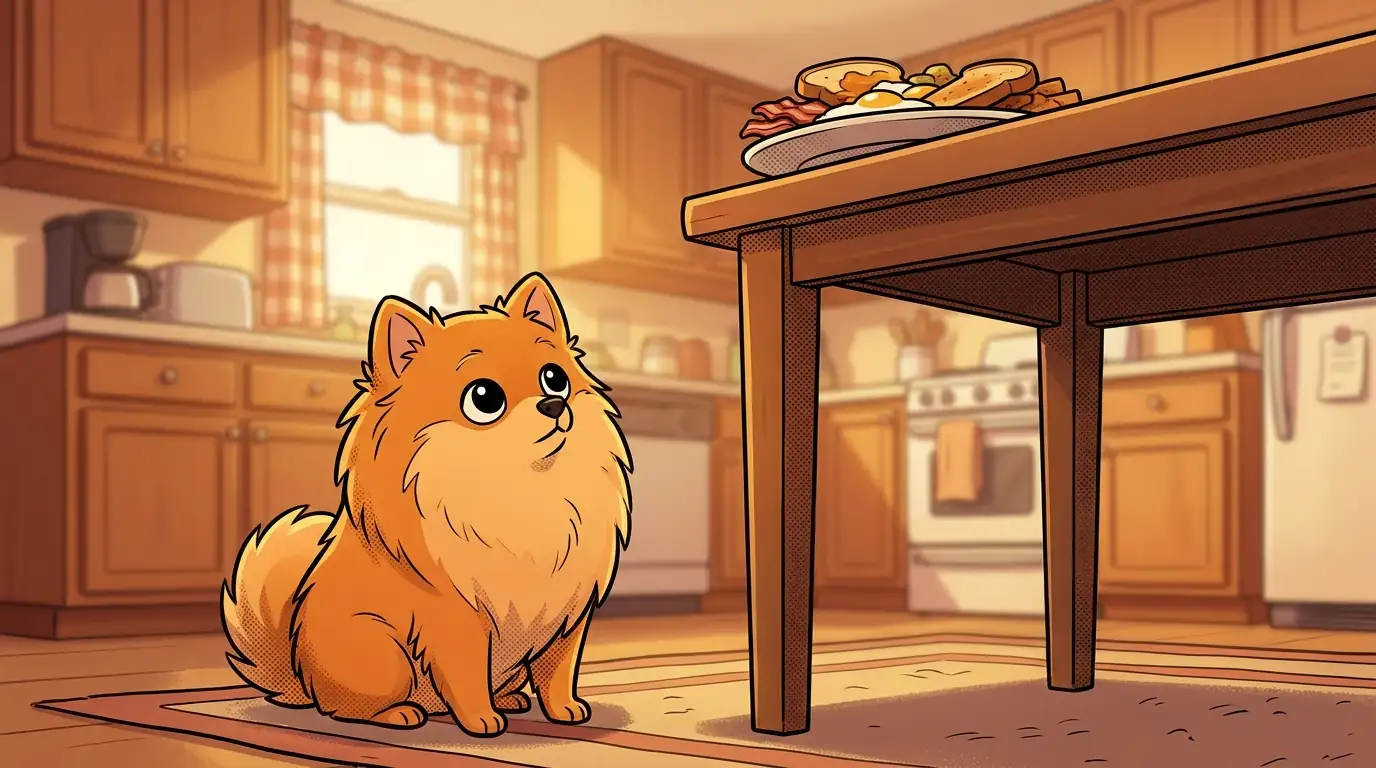
Pomeranians are small dogs, which means even relatively small amounts of certain foods can have a significant effect on their health. While many human foods are safe when offered appropriately, others can cause serious illness, organ damage, or even life-threatening toxicity. Understanding the difference is important for preventing both acute emergencies and long-term health problems.
Several foods are considered toxic to all dogs and should never be offered.

These include chocolate (theobromine toxicity), grapes and raisins (which can cause acute kidney injury), onions, garlic, leeks, and chives (which can damage red blood cells), alcohol, caffeine-containing products, and foods containing xylitol, an artificial sweetener that can cause severe hypoglycemia and liver injury. Because Pomeranians have a small body size, toxic doses may be reached more easily than in larger breeds.
Owners should also be cautious with foods that are not necessarily toxic but may still cause significant health problems. Rich table scraps, fatty meats, fried foods, and greasy leftovers can trigger gastrointestinal upset and, in some cases, pancreatitis, a painful inflammatory condition of the pancreas. Excessive treats and calorie-dense snacks can also contribute to obesity, which increases stress on the joints, cardiovascular system, and respiratory tract.
Certain foods may pose physical hazards as well. Cooked bones can splinter and potentially cause choking, gastrointestinal obstruction, or intestinal injury. Corn cobs, fruit pits, and large pieces of food that are swallowed without chewing can also become lodged within the digestive tract.
When offered in moderation, several human foods are generally considered safe for healthy dogs.

Plain cooked lean meats such as chicken, turkey, or beef can be used as occasional treats, provided they are unseasoned and free of bones. Many dogs can also safely eat small amounts of cooked eggs, plain pumpkin, green beans, carrots, cucumber, blueberries, strawberries, and apple slices with the seeds removed. These foods can provide variety while contributing relatively few calories.
Even safe foods should be offered thoughtfully. Treats, table foods, and foods used to administer medications should generally make up no more than 10% of a dog’s total daily caloric intake to avoid nutritional imbalances and unintended weight gain. Any new food should be introduced gradually, as sudden dietary changes may cause vomiting or diarrhea in sensitive individuals.
Overall, the safest approach is to base your Pomeranian’s diet on a high-quality, complete and balanced commercial food appropriate for their life stage, while using safe human foods only as occasional treats. If ingestion of a potentially toxic food is suspected, owners should contact a veterinarian or animal poison service immediately rather than waiting for symptoms to develop.
9. What is a healthy weight for an adult Pomeranian, and how can I tell if my Pom is overweight or too thin?
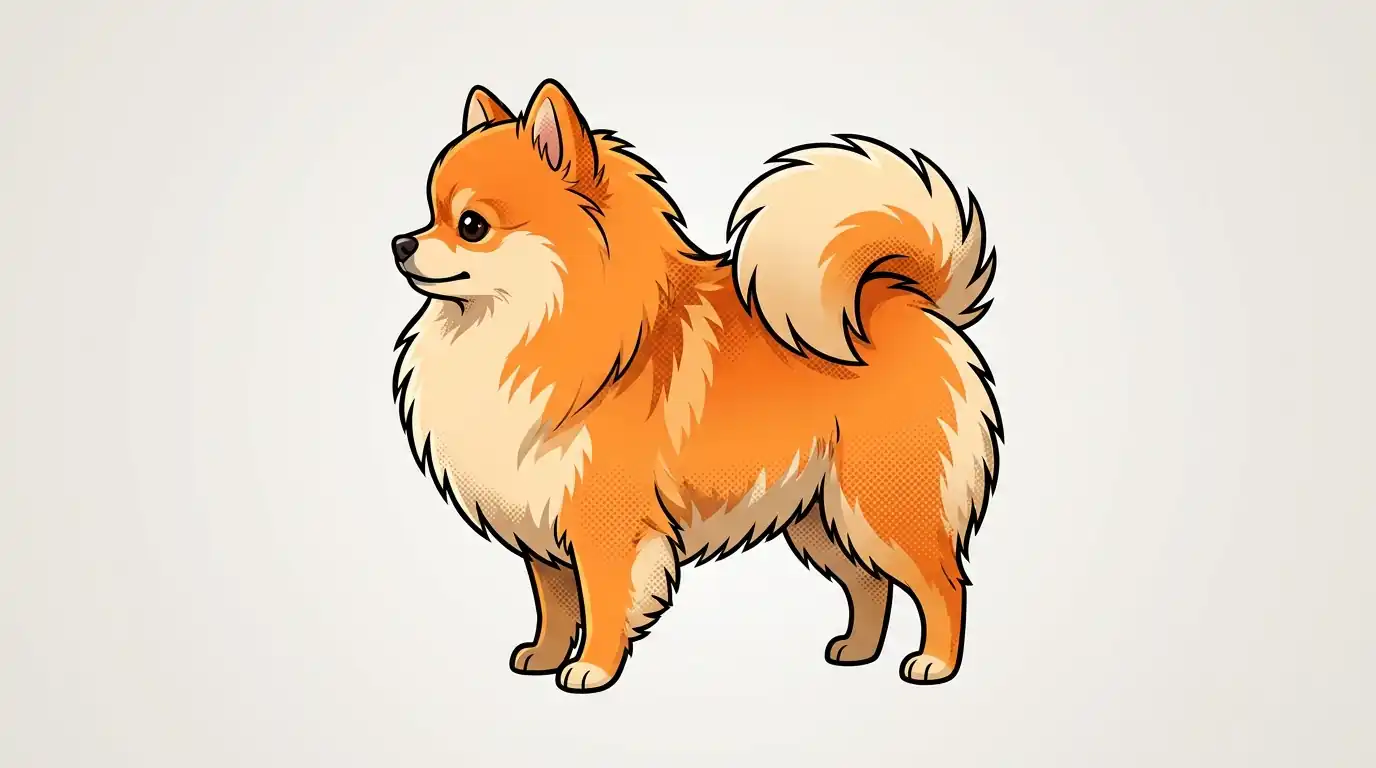
There is no single ideal weight that applies to every Pomeranian, because body size, bone structure, and genetics can vary considerably between individuals. However, most adult Pomeranians typically weigh between 1.8 and 3.5 kg, with some healthy individuals falling slightly outside this range. For this reason, assessing body condition is generally more useful than focusing on a specific number on the scale.
Veterinarians commonly use the Body Condition Score (BCS) system, which evaluates the amount of body fat covering the ribs, waist, and abdomen. An ideal BCS is typically 4–5 out of 9.
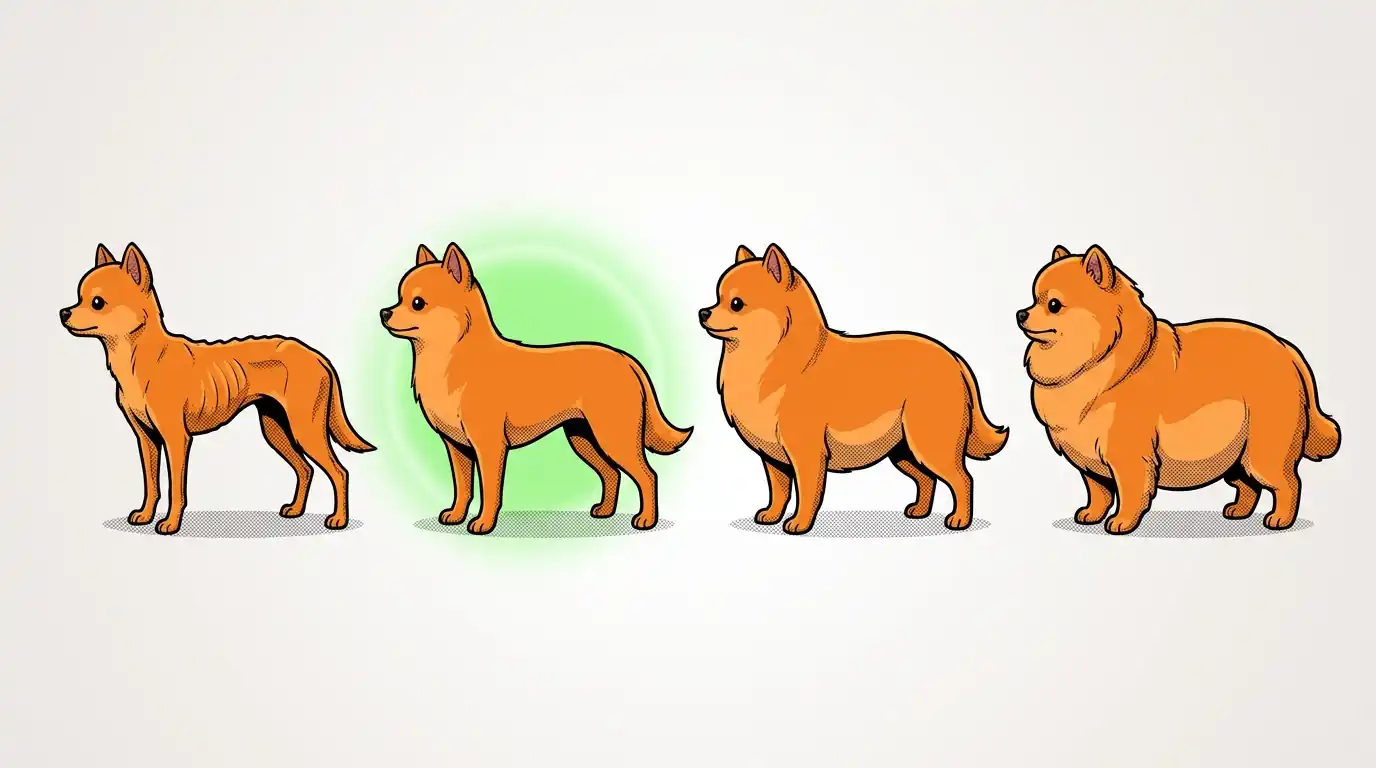
At this condition, the ribs should be easily felt beneath a thin layer of fat without being visibly prominent. When viewed from above, the dog should have a noticeable waist behind the ribs, and when viewed from the side, the abdomen should tuck upward toward the hind limbs.
An overweight Pomeranian may lose this visible waistline and abdominal tuck. The ribs become more difficult to feel because of excess fat coverage, and fat deposits may accumulate around the chest, back, neck, and base of the tail. Owners may also notice reduced stamina, reluctance to exercise, increased panting, or difficulty grooming certain areas of the body. Excess body weight places additional stress on the joints and can worsen conditions commonly seen in the breed, including luxating patella and tracheal collapse.
Conversely, a Pomeranian may be considered underweight if the ribs, spine, pelvis, or other bony structures are easily visible or sharply palpable with little or no fat covering. The dog may appear narrow through the body, have reduced muscle mass, or show poor coat quality. Unexplained weight loss should always be taken seriously, particularly in adult or senior dogs, as it may indicate underlying dental disease, gastrointestinal disease, endocrine disorders, cardiac disease, or other systemic illness.
Regular weight monitoring is important because small changes can be significant in toy breeds.
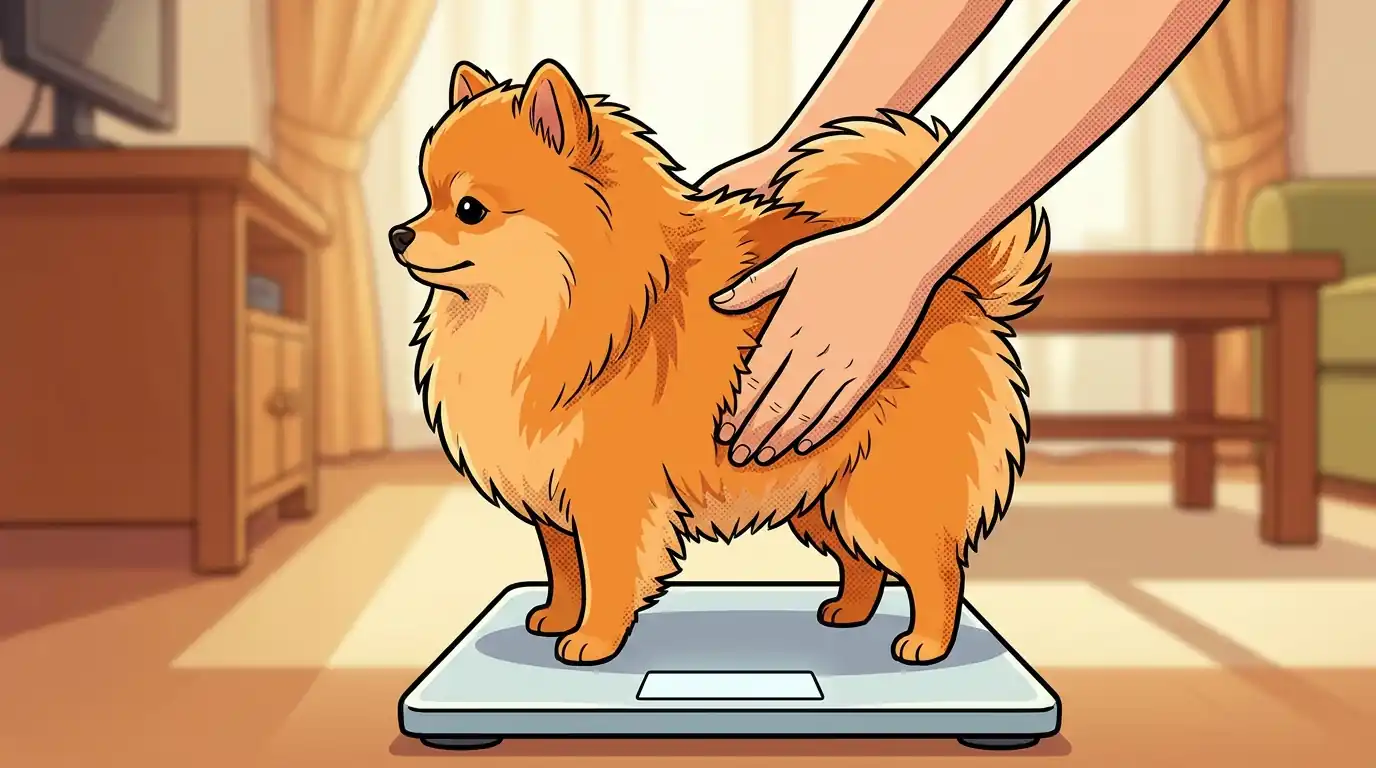
A gain or loss of only a few hundred grams may represent a substantial percentage of a Pomeranian’s body weight. Periodic weighing, combined with routine body condition assessment, provides a more accurate picture of overall health than body weight alone.
If you are uncertain whether your dog is at an ideal weight, your veterinarian can perform a body condition and muscle condition assessment and provide individualized feeding recommendations. Maintaining a lean body condition throughout life is one of the most effective ways to support mobility, respiratory health, and long-term wellbeing in this breed.
10. What are the most common dental problems in Pomeranians, and what early signs do owners usually miss?
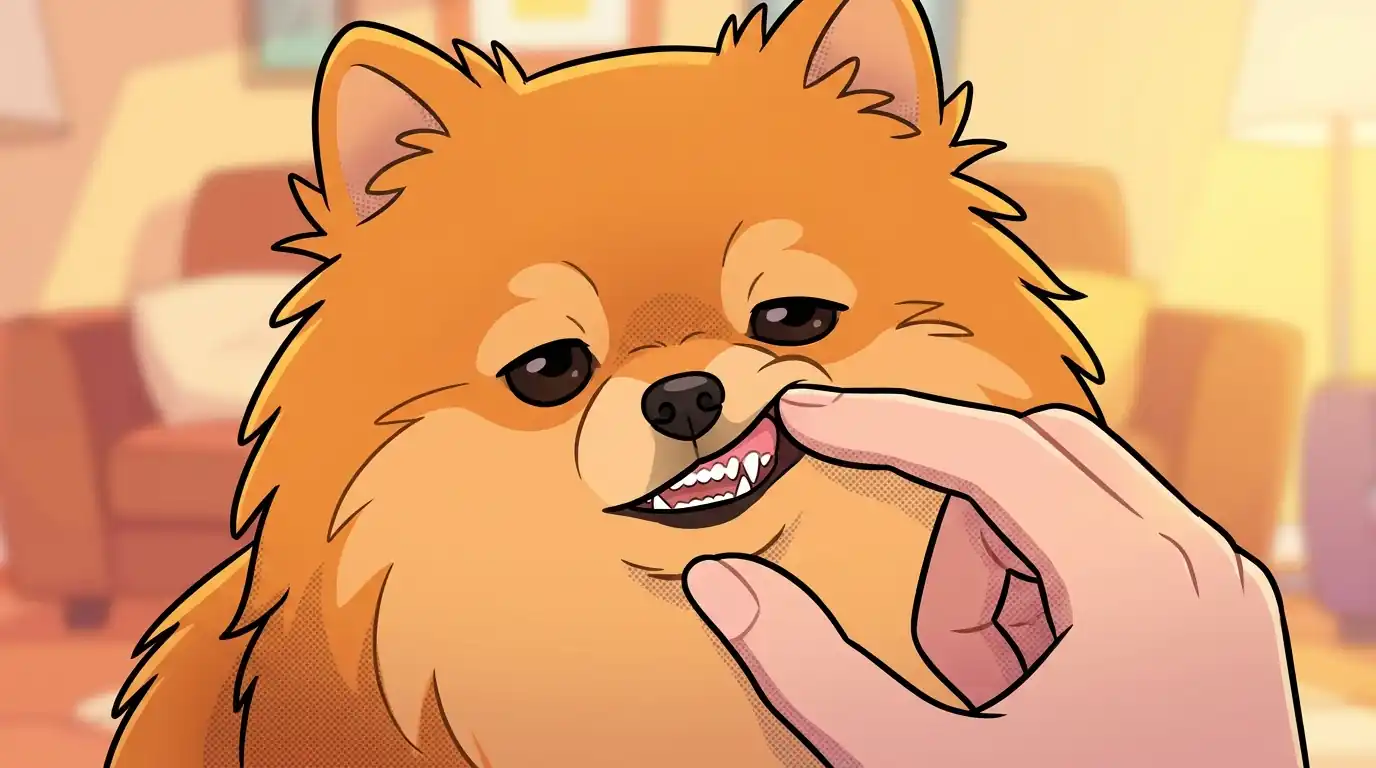
Dental disease is one of the most common health problems affecting Pomeranians and is often significantly underestimated by owners. Due to their small jaw size and crowded dentition, Pomeranians are particularly prone to periodontal disease, which affects the structures supporting the teeth, including the gums, periodontal ligaments, and surrounding bone. Without appropriate preventive care, dental disease can progress silently for months or even years before obvious symptoms develop.
The process usually begins with the accumulation of plaque, a bacterial film that forms on the tooth surface. If not removed through brushing or professional dental care, plaque hardens into tartar (dental calculus).
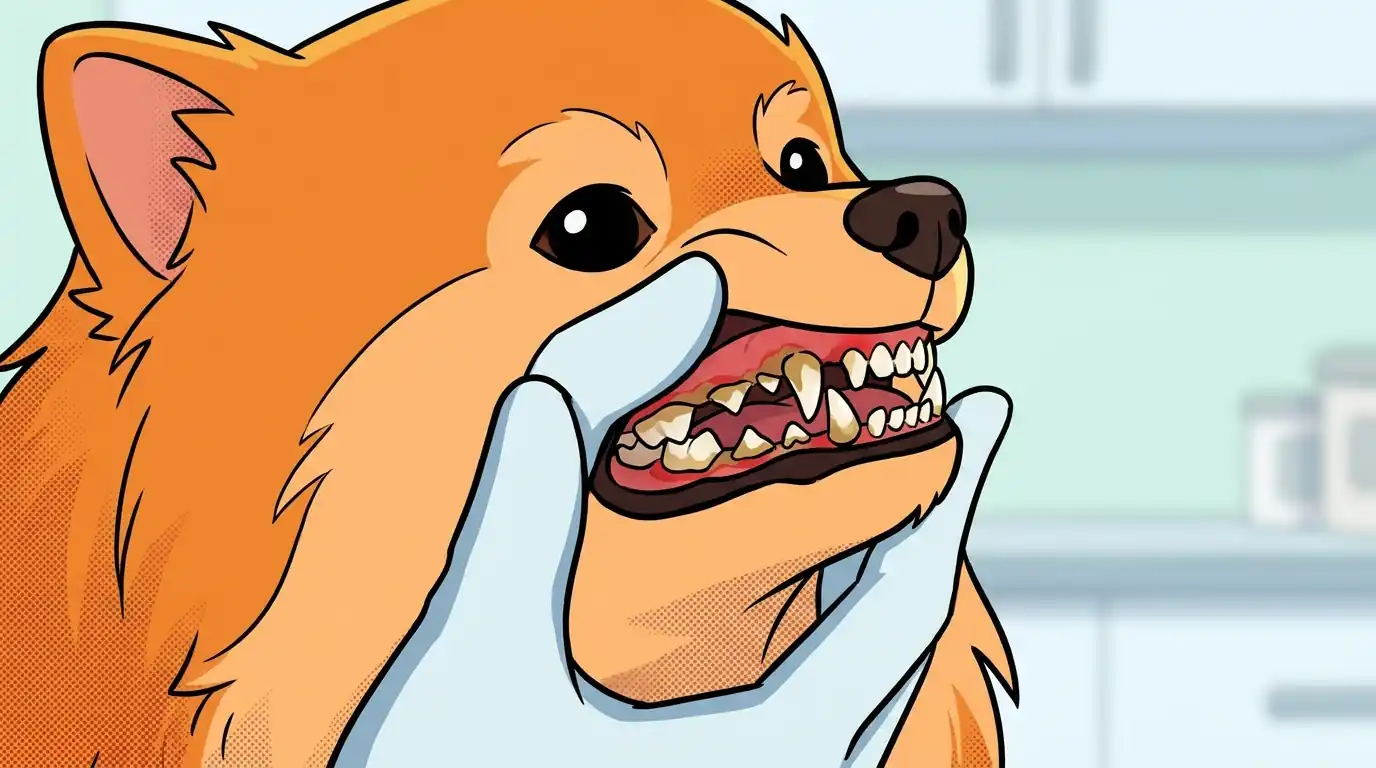
The resulting bacterial irritation causes inflammation of the gums, known as gingivitis, which is the earliest stage of periodontal disease. Over time, the infection can spread deeper beneath the gumline, leading to periodontal tissue destruction, tooth root exposure, loose teeth, and eventual tooth loss.
Because of their small mouths, Pomeranians frequently develop tooth crowding, retained deciduous (baby) teeth, and abnormal spacing between teeth, all of which promote plaque accumulation and make cleaning more difficult. Retained baby teeth are particularly common in toy breeds and may require veterinary extraction to help prevent future dental complications.
One of the biggest misconceptions is that severe dental disease is always obvious. In reality, many affected dogs continue eating normally despite significant oral discomfort. Owners often wait for obvious signs such as refusal to eat, but by that stage substantial disease may already be present.
Early signs that are commonly missed include persistent bad breath, mild redness along the gumline, visible tartar buildup, increased drooling, preference for softer foods, slower chewing, chewing on only one side of the mouth, dropping food while eating, reluctance to play with toys, or subtle changes in behavior. Some dogs become less interactive, sleep more, or resist having their face touched because of chronic oral pain. One of the most commonly overlooked signs is halitosis (bad breath). Many owners assume that bad breath is normal in dogs, but persistent unpleasant odor is often one of the earliest indicators of bacterial plaque accumulation and periodontal disease. While a dog’s breath may not be completely odorless, strong or progressively worsening bad breath should never be considered normal and warrants closer evaluation of the teeth and gums.
Advanced periodontal disease may result in loose teeth, gum recession, oral infections, facial swelling, tooth root abscesses, and in severe cases, weakening of the jawbone. Chronic dental infection can also contribute to systemic inflammation and may negatively affect overall health and quality of life.
The best prevention is regular dental care throughout life. Daily tooth brushing remains the gold standard, while veterinary-approved dental diets, dental chews, and oral health products may provide additional support. Regular veterinary examinations are important because much of periodontal disease develops below the gumline where it cannot be easily seen at home. Professional dental cleaning and assessment under anesthesia may be recommended when significant plaque, tartar, or periodontal disease is present.
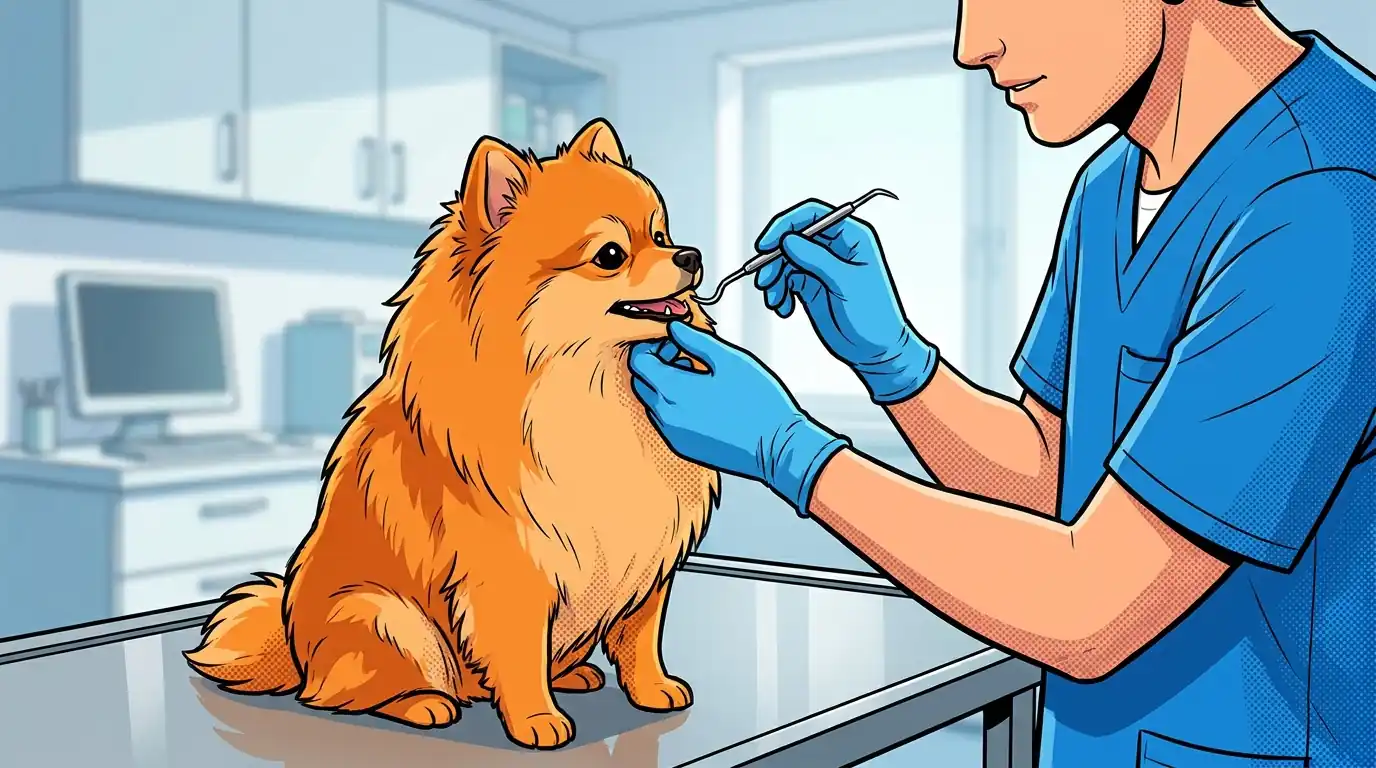
Overall, the most commonly missed dental disease signs in Pomeranians are often subtle rather than dramatic. Recognizing these early changes and addressing them promptly can significantly improve comfort, preserve teeth, and support long-term health.
Final Thoughts
If there’s one takeaway from all ten answers, it’s this: many of the health problems seen in Pomeranians do not appear overnight. They often begin with subtle changes that are easy to miss unless you know what to look for.
Whether it’s a cough that becomes more frequent, a skipped step during a walk, gradual dental disease, unexplained hair loss, or a slow increase in body weight, early recognition gives you the best opportunity to act before a small problem becomes a much larger one.
Regular veterinary care, good dental hygiene, appropriate nutrition, weight management, and attention to day-to-day changes can have a significant impact on a Pomeranian’s long-term health and quality of life.
If you found this guide helpful, consider sharing it with another Pomeranian owner. And if there are other Pomeranian health questions you’d like answered by a veterinarian, let us know in the comments below.
References & Sources
- AAHA (American Animal Hospital Association) — Canine Life Stage Guidelines
- AAHA Dental Care Guidelines for Dogs and Cats
- AVMA (American Veterinary Medical Association) — Canine preventive health, nutrition, and dental recommendations
- Bell JS, Cavanagh KE, Tilley LP, Smith FWK — Veterinary Medical Guide to Dog and Cat Breeds
- BSAVA Manual of Canine and Feline Respiratory Disease
- BSAVA Manual of Canine and Feline Musculoskeletal Disorders (Orthopaedics)
- BSAVA Manual of Canine and Feline Dermatology
- BSAVA Manual of Canine and Feline Gastroenterology
- Ettinger SJ, Feldman EC — Textbook of Veterinary Internal Medicine
- FECAVA — Companion animal welfare and preventive healthcare guidance
- Fossum TW — Small Animal Surgery
- MSD Veterinary Manual (Merck Veterinary Manual) — Clinical disease summaries (tracheal collapse, patellar luxation, dental disease, cardiac, dermatology, toxicology)
- Muller & Kirk’s Small Animal Dermatology
- Nelson RW, Couto CG — Small Animal Internal Medicine
- WSAVA Global Guidelines — Preventive healthcare, nutrition, dental health, and body condition scoring
- Wiggs RB, Lobprise HB — Veterinary Dentistry: Principles and Practice
Disclaimer
This article is provided for general educational purposes only and reflects veterinary information current at the time of writing. It is not a substitute for professional veterinary advice, diagnosis, or treatment for any individual dog. Every Pomeranian is different, and health decisions should always be made in consultation with your own veterinarian. If you believe your dog is unwell or may be facing an emergency, contact your veterinarian or a local emergency clinic right away.