
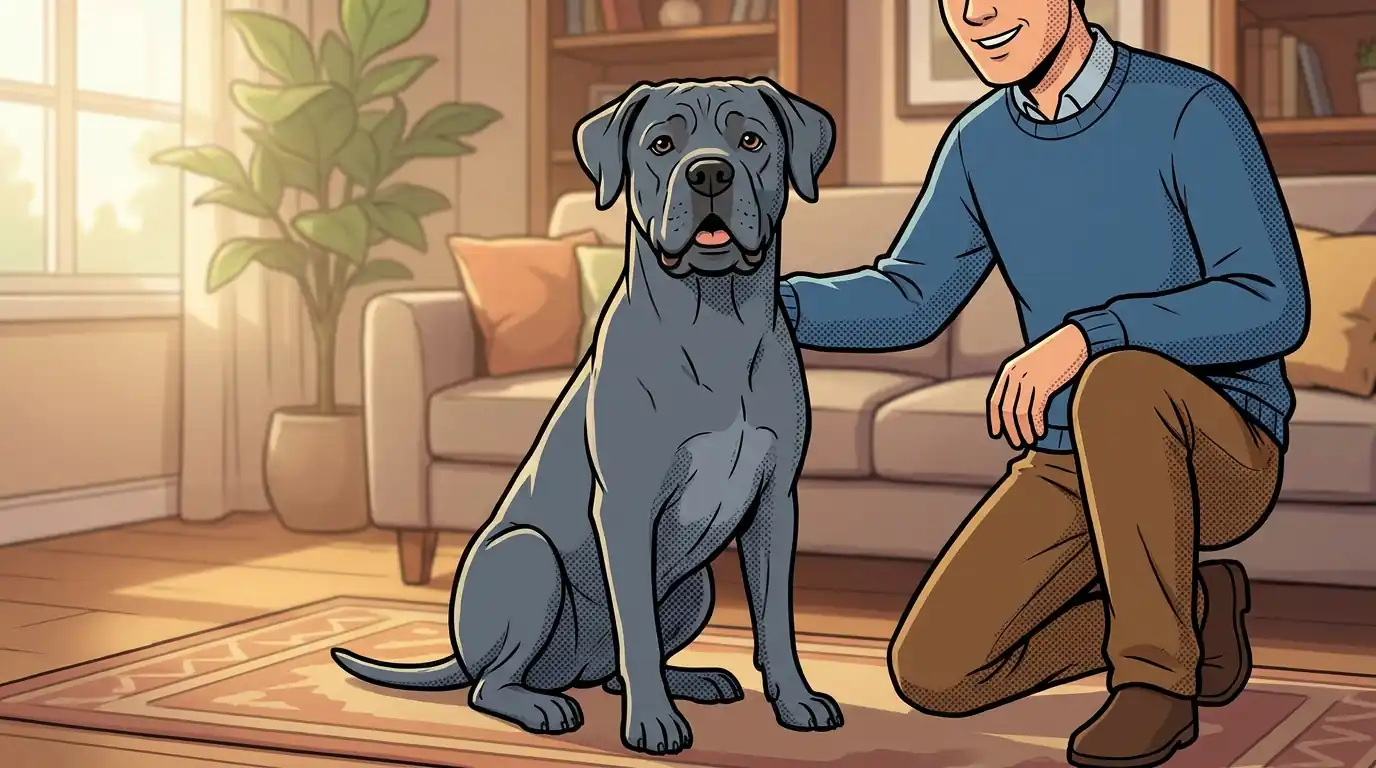
A Cane Corso is a powerful, athletic breed known for its loyalty, intelligence, and protective nature. But behind that impressive appearance is a large-breed dog with a unique set of health considerations, which is why so many owners find themselves looking for reliable information.
Many of the conditions that affect the breed most commonly, including joint disease and gastric dilatation-volvulus (bloat), develop gradually and may not be obvious in their early stages. Cane Corsos are often remarkably stoic dogs, which means signs of discomfort can be subtle and easy to miss.
To find out what owners are most concerned about, we analyzed more than a thousand of the questions Cane Corso owners search for online, identified the ten topics that come up again and again, and put every one of them to Dr. Stefan Novevski, a licensed veterinarian (DVM), for clear, evidence-based answers.
This guide is the result. From bloat and joint health to ear cropping, feeding, growth, and life expectancy, these are the questions Cane Corso owners ask most often, answered from a veterinary perspective.
1. What health problems are Cane Corsos most prone to, and what early warning signs should owners never ignore?
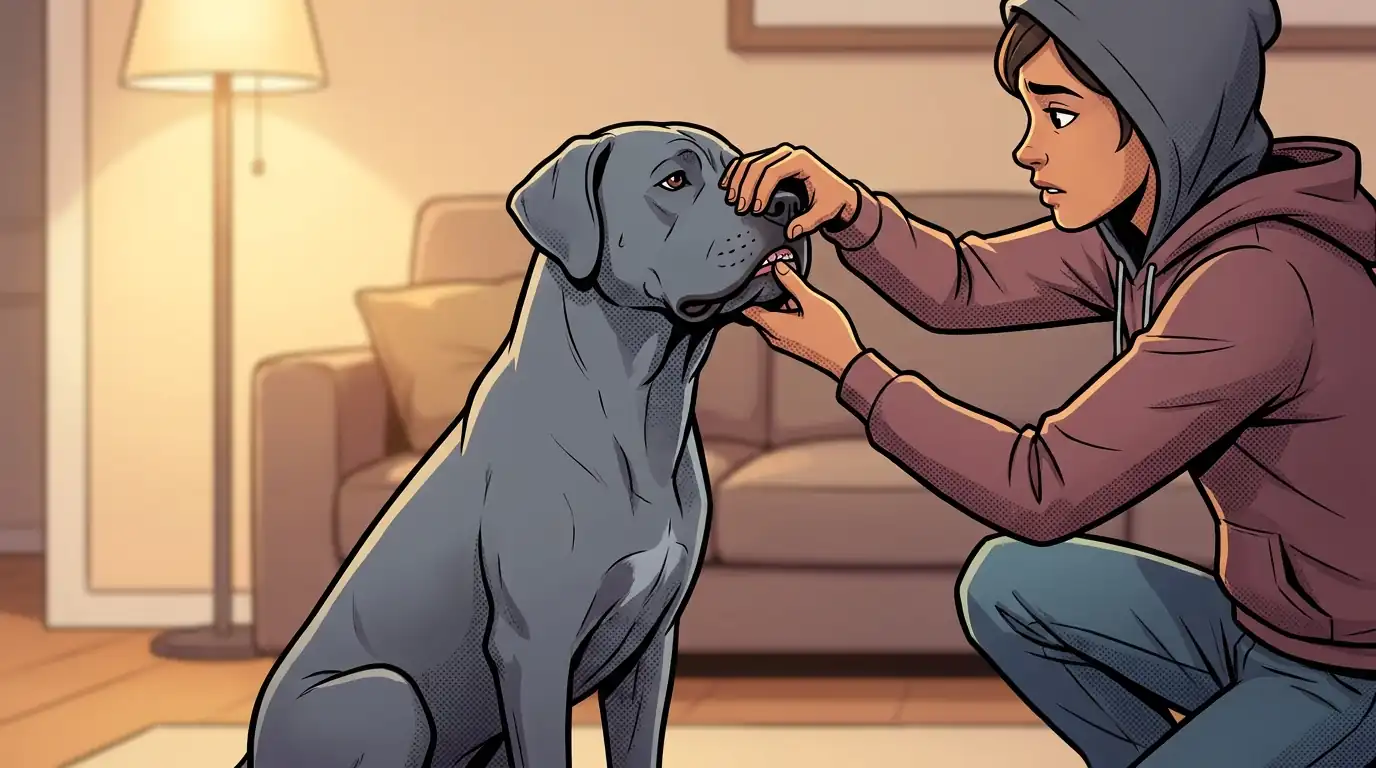
Cane Corsos are generally robust dogs, but like many giant and large-breed dogs, they are predisposed to several orthopedic, cardiac, neurologic, ophthalmic, and gastrointestinal conditions that owners should monitor closely throughout life. Early recognition is important because many of these diseases progress gradually before becoming severe. Hip and elbow dysplasia are important orthopedic conditions in Cane Corsos, where the joints develop abnormally during growth.
Early signs often appear during growth and early adulthood, and may include stiffness after rest, reluctance to climb stairs, difficulty jumping into cars, decreased exercise tolerance, or a “bunny-hopping” gait where both hind limbs move together during running. Some dogs also show abnormal posture during urination or defecation due to hip discomfort. Maintaining a lean body condition score (BCS 4–5/9) is especially important, as excess body fat increases joint stress and contributes to low-grade inflammation.
Cane Corsos are also at increased risk for gastric dilatation-volvulus (GDV or “bloat”), a life-threatening emergency in which the stomach fills with gas and may twist. Owners should never ignore sudden abdominal enlargement, repeated unsuccessful retching, pacing, excessive drooling, and signs of distress after eating. GDV can become fatal within hours without emergency treatment.
Preventive strategies include feeding two to three smaller meals daily, avoiding intense exercise around meals, and discussing prophylactic gastropexy with your veterinarian, which is a preventive surgical procedure in which the stomach is attached to the abdominal wall to reduce the risk of twisting.
Another important condition is dilated cardiomyopathy (DCM), a disease in which the heart muscle becomes enlarged and weakened, reducing the heart’s ability to pump blood effectively. Early signs may include fatigue, reduced exercise tolerance, coughing, rapid breathing at rest, or fainting episodes. DCM typically develops gradually and is most commonly diagnosed in middle-aged to older dogs, although early changes may begin before obvious symptoms appear.
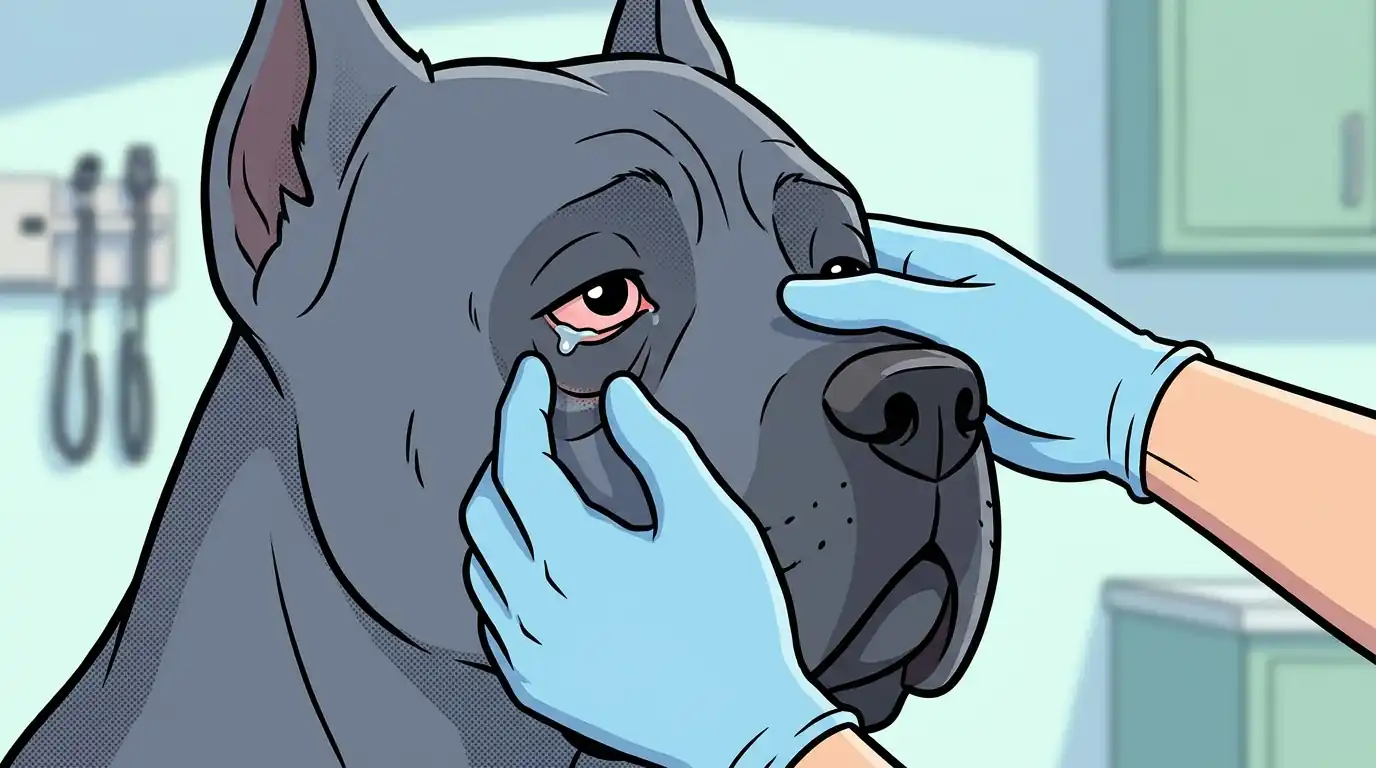
Eye conditions are also reported in Cane Corsos and other large breeds. Entropion is a condition that occurs when the eyelids roll inward, causing the eyelashes to rub against the eye surface, while ectropion causes the eyelids to droop outward, which can expose the eye and increase irritation. Cherry eye refers to prolapse of the gland of the third eyelid, appearing as a red or pink mass in the inner corner of the eye.
Persistent redness, squinting, discharge, or visible swelling around the eyes should always be evaluated by a veterinarian.
Owners should also be aware of neurologic conditions also reported in the breed, such as: Wobbler syndrome (cervical spondylomyelopathy), which affects the neck vertebrae and spinal cord and can cause an unsteady gait, weakness, or coordination issues in the limbs, and idiopathic epilepsy, a seizure disorder with no identifiable underlying cause, typically presenting between 6 months and 5 years of age.
2. At what age should I spay or neuter my Cane Corso, and can doing it too early affect their growth, joints, or behavior?
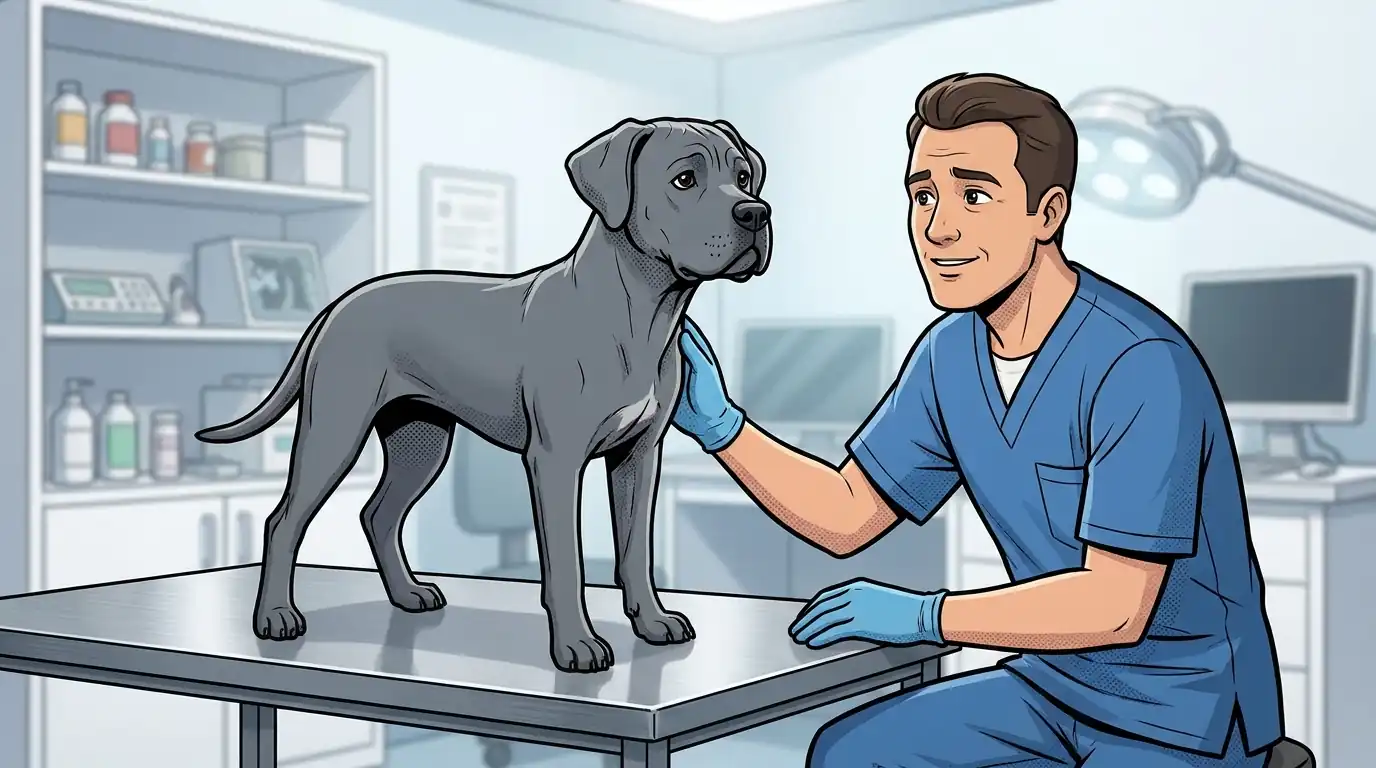
Spay or neuter timing in Cane Corsos should always be considered individually, but in large and giant breeds, most veterinary and orthopedic guidance supports delaying the procedure until closer to skeletal maturity, commonly around 12–18 months or older, depending on the individual. This is because sex hormones play an important role in regulating growth plate closure during development.
If sterilization is done too early, there is evidence suggesting it may be associated with delayed growth plate closure, which can result in slightly altered limb proportions. In some large-breed studies, early spay/neuter has also been discussed in relation to an increased risk of orthopedic conditions such as hip dysplasia or cranial cruciate ligament disease. However, these associations are not fully consistent across all research, and the relationship is influenced by multiple factors.
Owners may notice that while castrating a male dog can successfully reduce reproductive-driven behaviors like roaming, urine marking, and mounting, it is not a reliable cure for aggression. Studies show mixed effects on aggression, with improvement in some dogs but no consistent or predictable outcome. While sex hormones can drive certain frustrating behaviors, their removal can also increase fearful and anxious behaviors in both male and female dogs.
From a behavioural perspective, early spay or neuter does not reliably prevent issues such as aggression, reactivity, anxiety, or training challenges. Behaviour is far more strongly shaped by genetics, early socialisation, environment, and training consistency than by reproductive status alone. Following spaying or neutering, many dogs experience a reduction in energy requirements and may be at increased risk of weight gain if calorie intake is not adjusted.
Excess body weight can place additional stress on joints, particularly in large and giant breeds predisposed to orthopaedic disease, making weight management an important part of long-term health care. At the same time, there are clear medical benefits to sterilisation, including prevention of pyometra in females, reduction of mammary tumour risk when performed at appropriate times, and elimination of testicular disease in males.
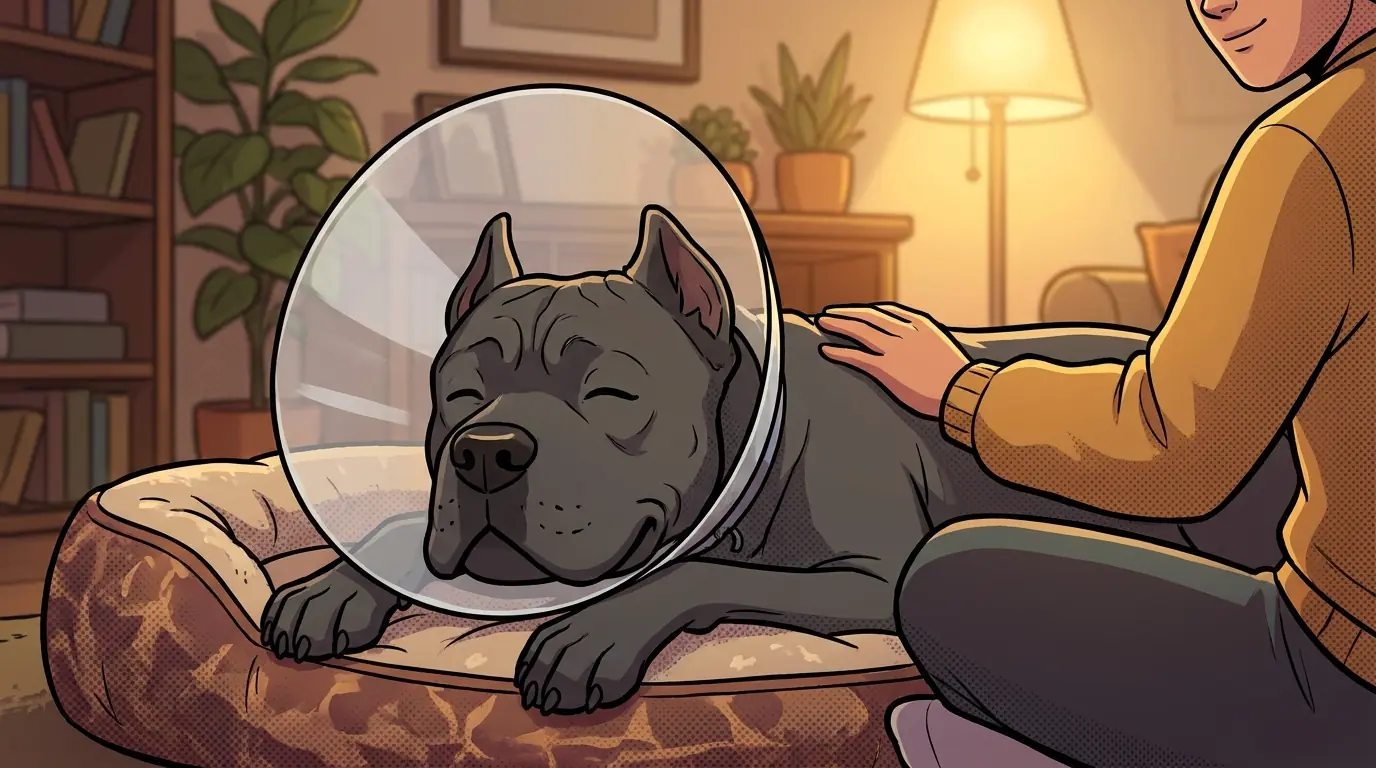
For Cane Corsos, the decision should therefore balance orthopedic development, long-term joint health, behavioural considerations, and disease prevention. Because of this, many veterinarians now recommend a case-by-case approach based on growth, skeletal maturity, and individual risk factors rather than a fixed age rule.
As discussed in veterinary behaviour and welfare texts such as the BSAVA Manual of Canine and Feline Behavioural Medicine and the BSAVA Manual of Practical Veterinary Welfare, the timing of spaying/neutering should be tailored to the individual animal rather than using a one-size-fits-all approach. In summary, early spay or neuter is not necessarily wrong, but in giant breeds like the Cane Corso, timing can have meaningful implications for musculoskeletal development.
A tailored discussion with your veterinarian is essential to determine what is best for the individual dog.
3. What is a healthy weight for a Cane Corso, and how can I tell if mine is overweight before it affects joints and mobility?
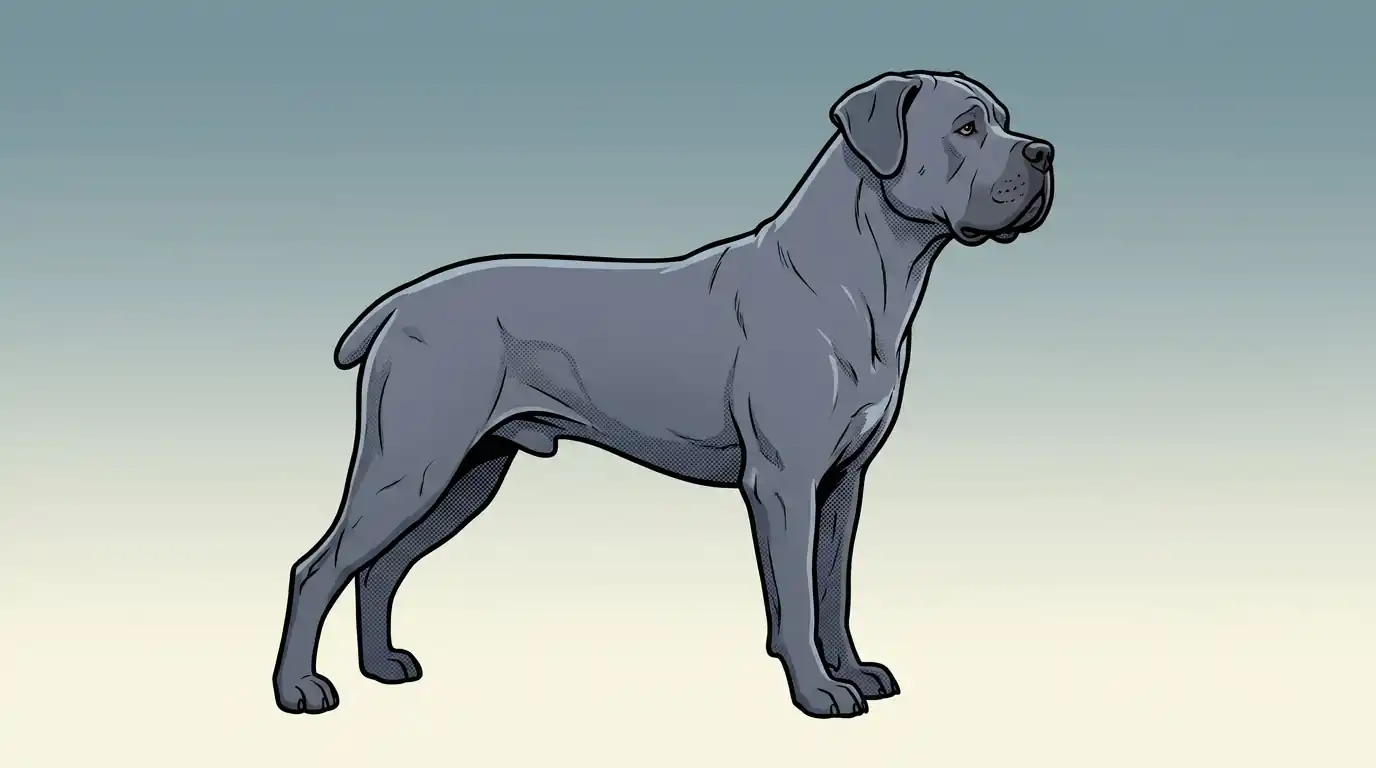
A healthy Cane Corso is best assessed using a Body Condition Score (BCS) system rather than a fixed number on the scale. The ideal range is BCS 4–5/9, where the dog appears muscular, has a visible waist when viewed from above, and the ribs are easily felt under a thin fat layer without excessive pressure. When viewed from the side, there should be a clear abdominal tuck rather than a straight or sagging underline.
If the ribs are highly visible with minimal fat coverage, the dog may be underweight, while difficulty feeling the ribs, a broad back, or loss of waist definition suggests excess body fat. Because Cane Corsos are naturally large and heavily muscled, gradual weight gain can be missed early. One of the earliest indicators of excess weight is loss of waist definition, followed by fat accumulation over the ribs, lower back, and base of the tail.
Owners may also notice reduced stamina, slower movement, reluctance to jump into vehicles, or stiffness after rest even before obvious obesity develops. Importantly, excess body fat is not just a mechanical load issue. Adipose tissue is biologically active and contributes to low-grade systemic inflammation, which can worsen joint pain and accelerate degenerative joint disease over time.
This is particularly relevant in breeds already predisposed to hip and elbow dysplasia. Regular monitoring is essential. To tell if your Cane Corso is becoming overweight before it severely impacts their mobility, you should perform a hands-on BCS assessment at home.
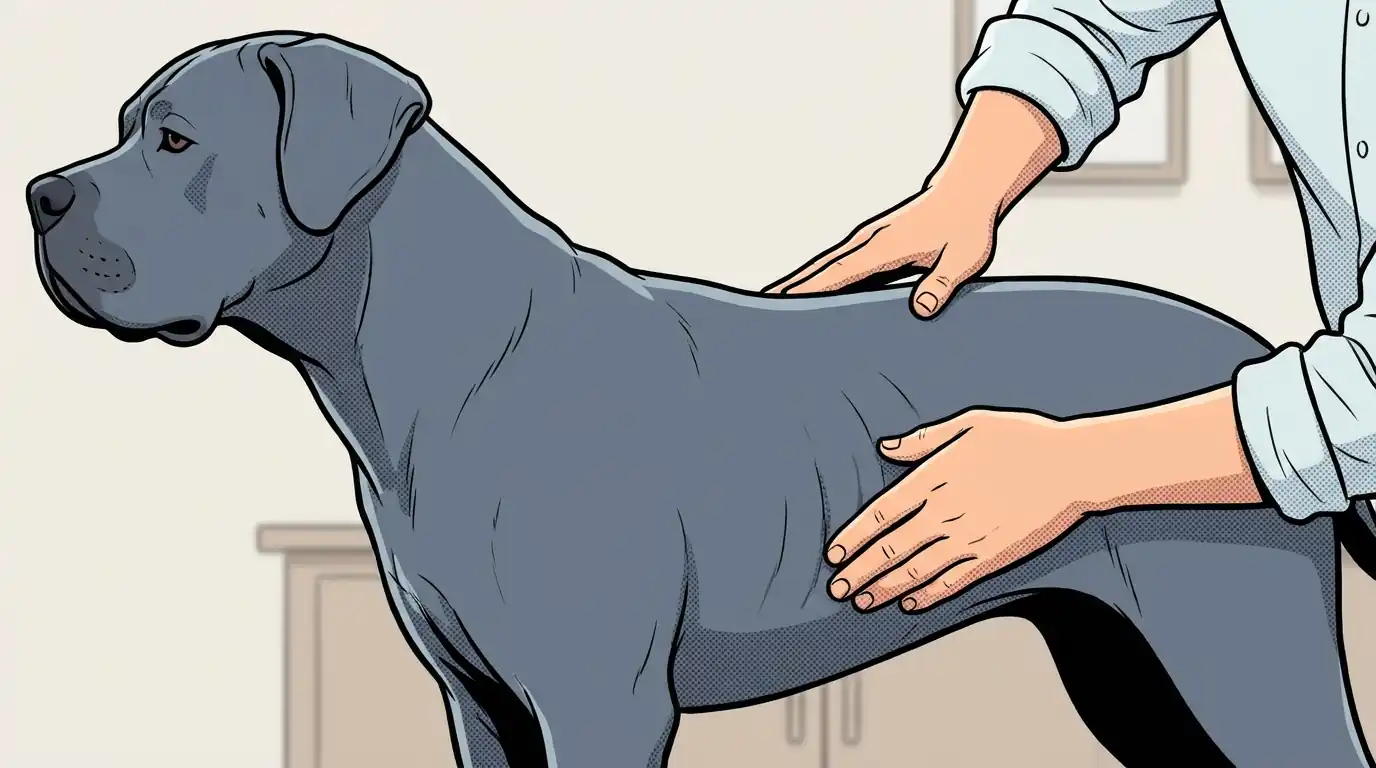
Monthly palpation of the ribs, visual assessment from above and the side, and tracking changes in activity level are more useful than weight alone. Even moderate excess body weight increase can significantly increase orthopedic stress in large-breed dogs. If you discover your Cane Corso is overweight, a gradual and controlled rate of weight loss should be discussed with your veterinarian, typically around 1% of body weight per week.
In some cases, under veterinary supervision, this may be increased up to around 2% per week, depending on the dog’s starting condition, body composition, and overall health. Preventing overweight status is far easier than correcting it later. In most cases, weight loss should not be achieved by simply and drastically reducing portions of a dog’s regular maintenance diet.
Controlled feeding, measured portions, and adjusting caloric intake based on activity level are key strategies. Large-breed dogs should not be free-fed long term unless specifically indicated. In short, the goal is not a specific kilogram target but maintaining a lean, athletic body condition that preserves mobility and reduces joint strain throughout life.
🐾 Vet Tip
For most Cane Corsos, the ideal target is a Body Condition Score (BCS) of 4–5 out of 9. You should be able to feel the ribs easily without pressing hard, while still seeing a visible waist from above and an abdominal tuck from the side.
Body Condition Score (BCS) Visual Scale
| 1 | 2 | 3 | 4 | 5 | 6 | 7 | 8 | 9 |
| Underweight | Ideal | Overweight | Obese | |||||
Body Condition Score (BCS) Guide
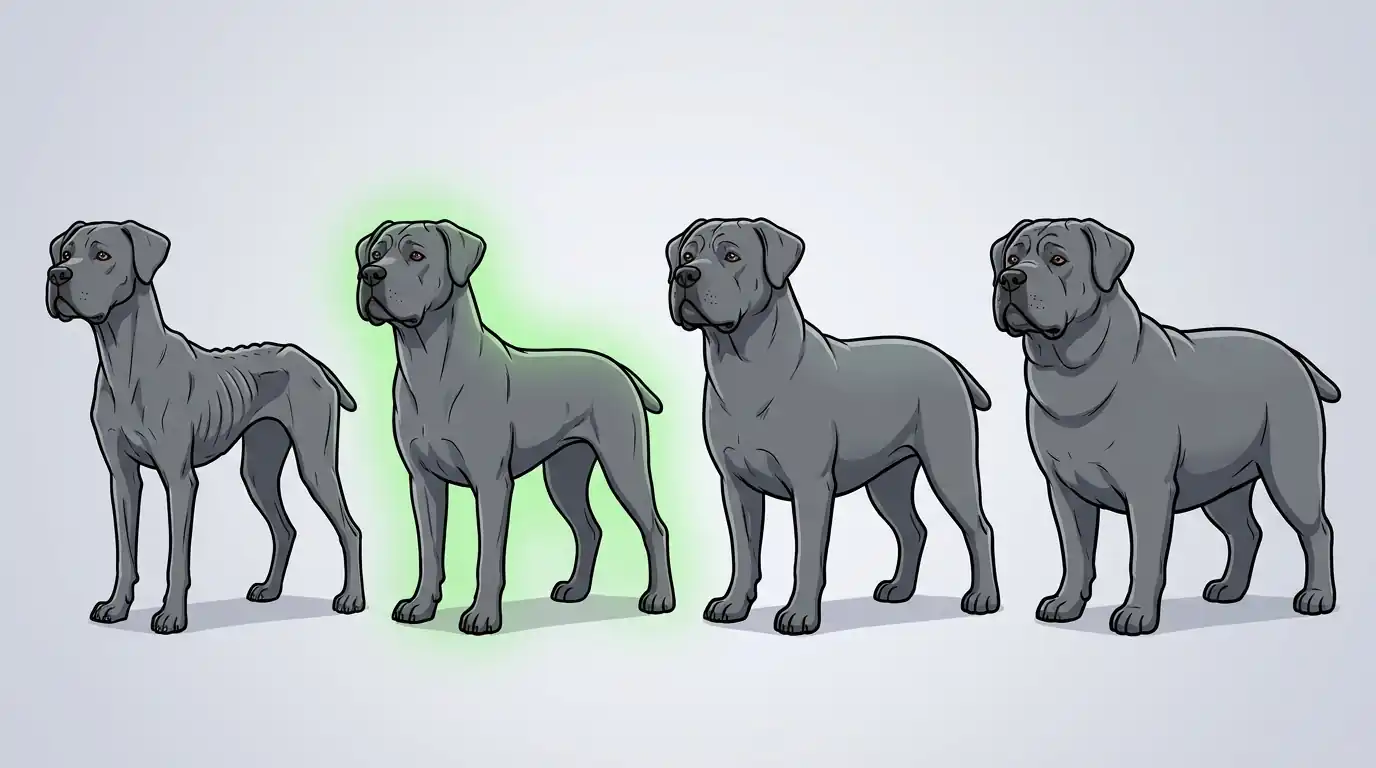
| BCS Score | Condition | What You’ll See |
|---|---|---|
| 1–3 / 9 | Underweight | Ribs, spine, and hip bones are easily visible with very little fat coverage. Pronounced waist and abdominal tuck. |
| 4–5 / 9 | ✅ Ideal | Ribs can be felt easily under a thin layer of fat. Visible waist from above and a clear abdominal tuck from the side. Lean, athletic appearance. |
| 6–7 / 9 | Overweight | Ribs become harder to feel. Waist starts to disappear. Fat accumulates over the back, ribs, and tail base. |
| 8–9 / 9 | Obese | No visible waist. Thick fat deposits cover the ribs and body. Mobility may be noticeably reduced. |
4. What should I feed my Cane Corso at different life stages, and how much food do they actually need?
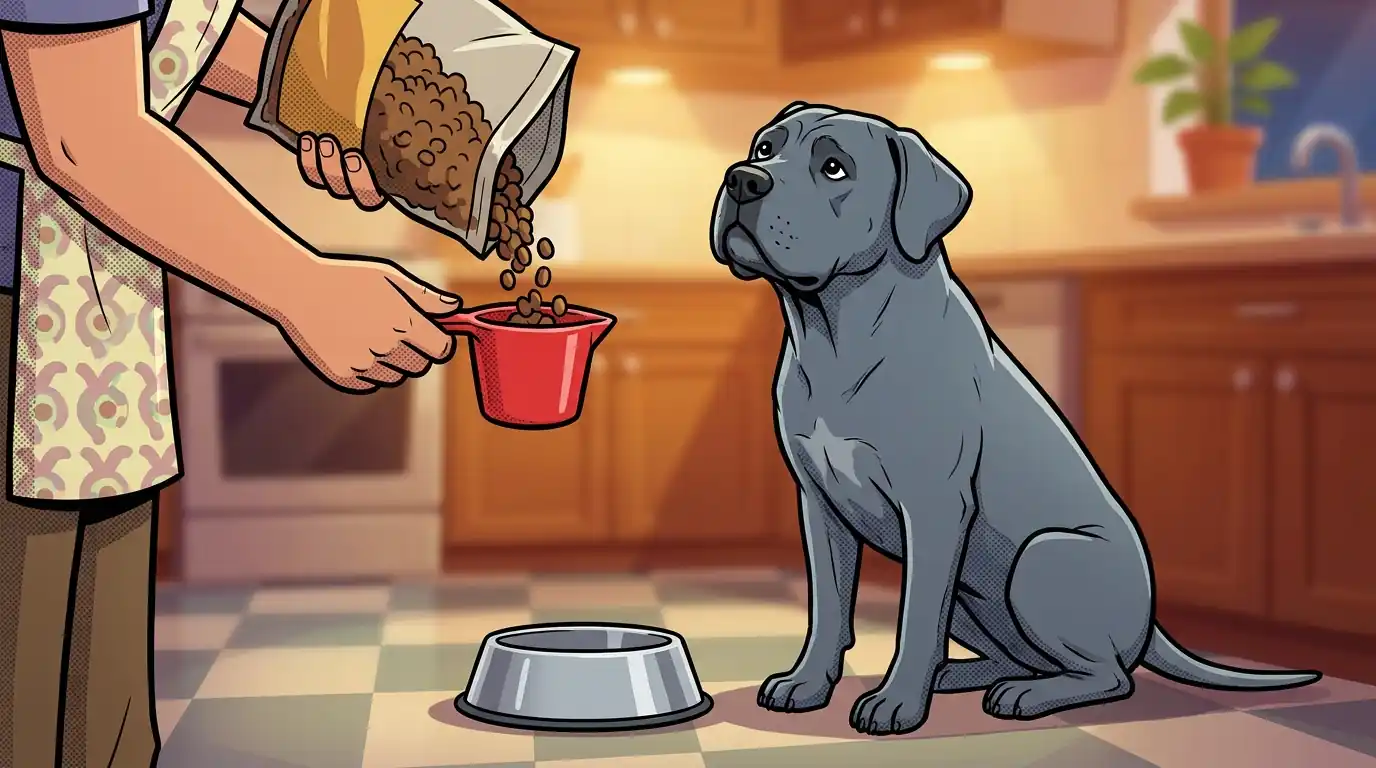
Cane Corsos have different nutritional needs depending on growth stage, but the most important principle across all life stages is controlled energy intake to maintain steady, moderate growth and lifelong lean body condition (BCS 4–5/9).
Puppyhood (Weaning to 6 months)
During puppyhood, Cane Corsos should be fed a large-breed puppy diet formulated according to AAFCO/FEDIAF growth standards for large dogs. These diets control calcium, phosphorus, and energy density to support controlled skeletal development. Excess calories during growth can lead to excessively rapid growth rates, which are associated with increased risk of orthopedic conditions such as hip and elbow dysplasia.
Feeding should typically be divided into 3–4 meals per day in early puppyhood, gradually transitioning to 2 meals per day as the dog matures.
Adolescence (approximately 6–18 months)
During adolescence, caloric requirements remain high but should be carefully adjusted based on body condition rather than appetite. Overfeeding in this period is a major risk factor for long-term orthopedic disease.
Adulthood (2-7 years)
Adult Cane Corsos generally require a balanced maintenance diet, typically fed twice daily, with portion sizes adjusted according to activity level. Working or highly active dogs may require higher caloric intake, while more sedentary dogs require significant restriction to avoid weight gain.
Senior years (7+ years)
Older dogs are at risk for age-related muscle loss, a condition known as sarcopenia. In senior dogs, caloric needs often decrease, but protein quality becomes increasingly important to maintain muscle mass. Diets may also need adjustment based on kidney, joint, or cardiac health.
Some owners choose to feed home-prepared diets, but these must be approached with caution. Home-cooked or raw diets are frequently nutritionally incomplete unless they are properly formulated by a qualified veterinary nutritionist. Key risks include imbalanced calcium-to-phosphorus ratios in growing dogs, as well as deficiencies in essential vitamins, trace minerals, and essential fatty acids.
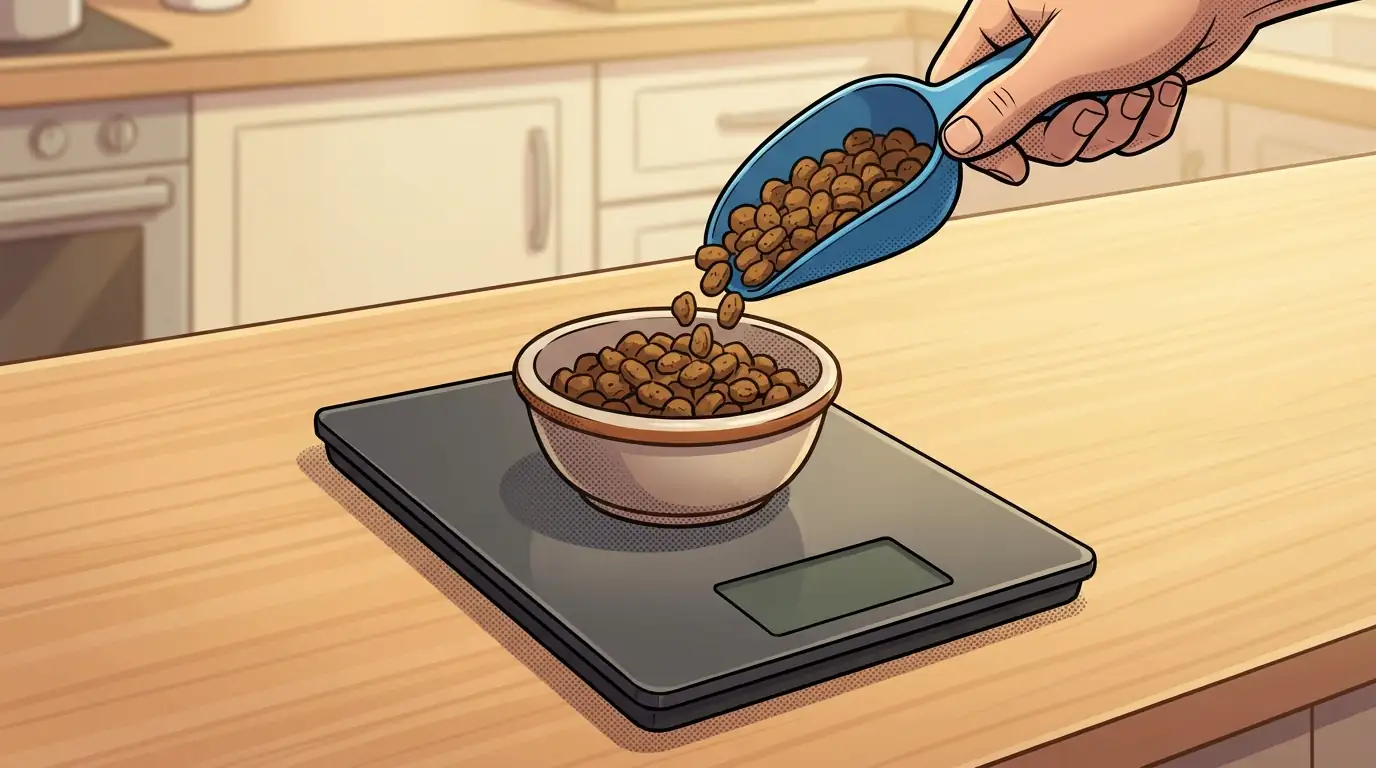
Any home-prepared diet should be fully formulated, balanced, and regularly reviewed by a veterinary professional to ensure it meets all life-stage requirements. Free-feeding is not recommended, as it significantly increases the risk of overconsumption and obesity in most dogs. For accuracy and consistency, daily food portions should be measured carefully, ideally weighed in grams using a digital kitchen scale rather than estimated with volume-based measuring cups, which are inherently imprecise.
There is no single “ideal calorie number” for all Cane Corsos because metabolic rate varies significantly between individuals. Feeding should always be guided by body condition, muscle condition, and activity level rather than breed generalisations alone. The most important nutritional goal is not high or low protein, but controlled growth in puppies and strict maintenance of lean body condition throughout life, supported by appropriately formulated large-breed diets.
5. What orthopedic and joint problems are common in Cane Corsos, what early warning signs should owners watch for, and when should I see a vet?
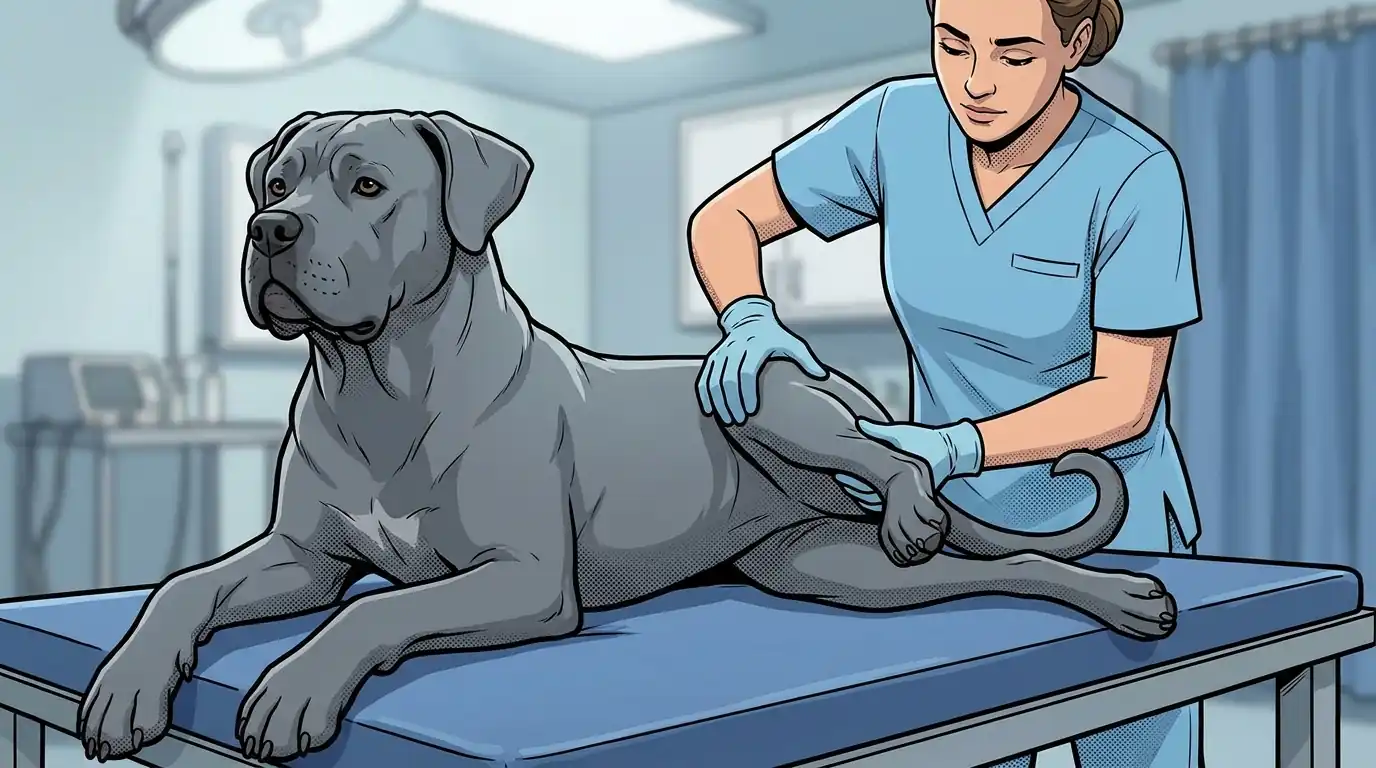
Cane Corsos are predisposed to several orthopedic and musculoskeletal conditions due to their large size, rapid growth rate, and the long-term mechanical stress placed on their joints. Many of these conditions develop gradually, and early signs may initially appear mild or intermittent. One of the most common conditions is hip dysplasia, a developmental disorder in which the hip joint does not develop properly, leading to instability and progressive joint degeneration.
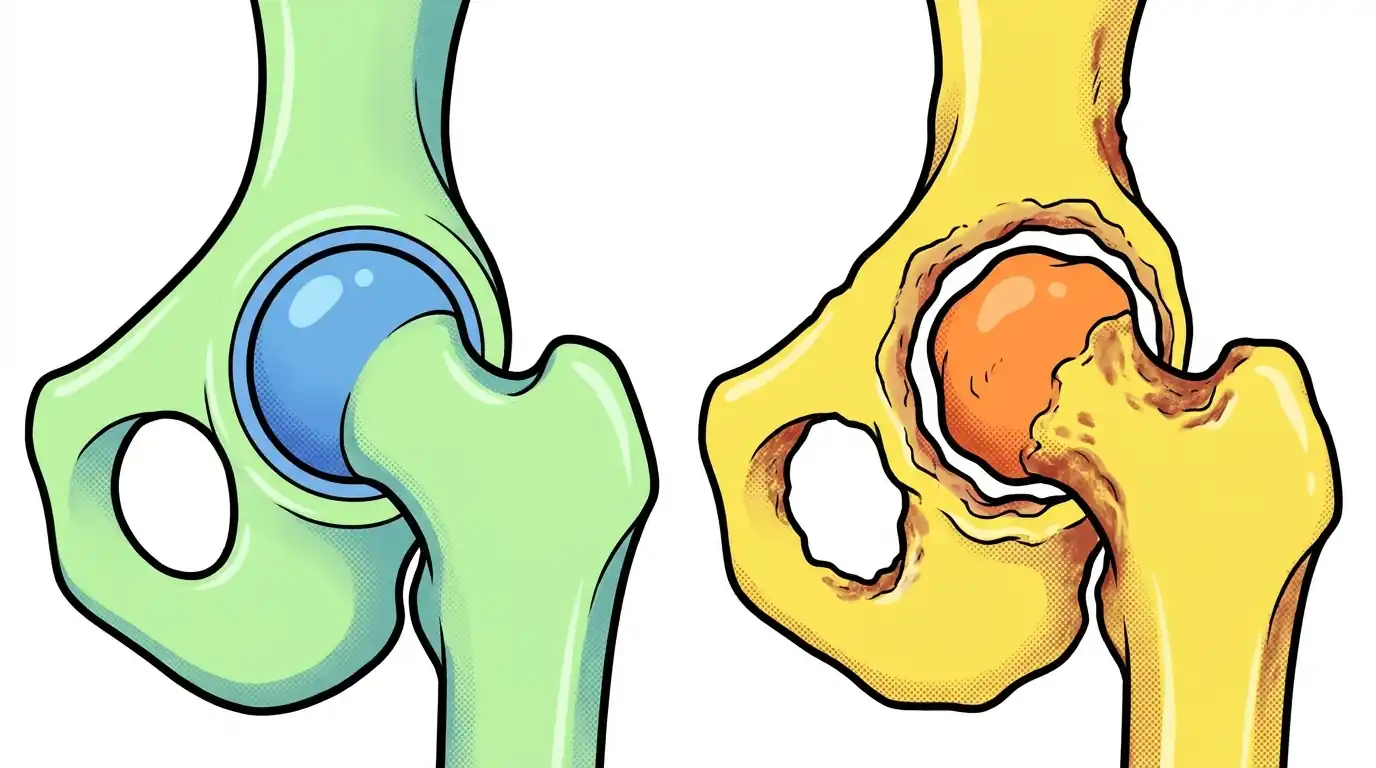
Early signs may include stiffness after rest that seems to improve as the dog “warms up”, reluctance to jump or climb stairs, difficulty rising, reduced activity, or a characteristic “bunny-hopping” gait where both hind legs move together. Early screening radiographs can be performed from around 16–20 weeks of age to assess hip joint development and laxity, although more definitive assessment and grading of hip dysplasia is typically performed after skeletal maturity.
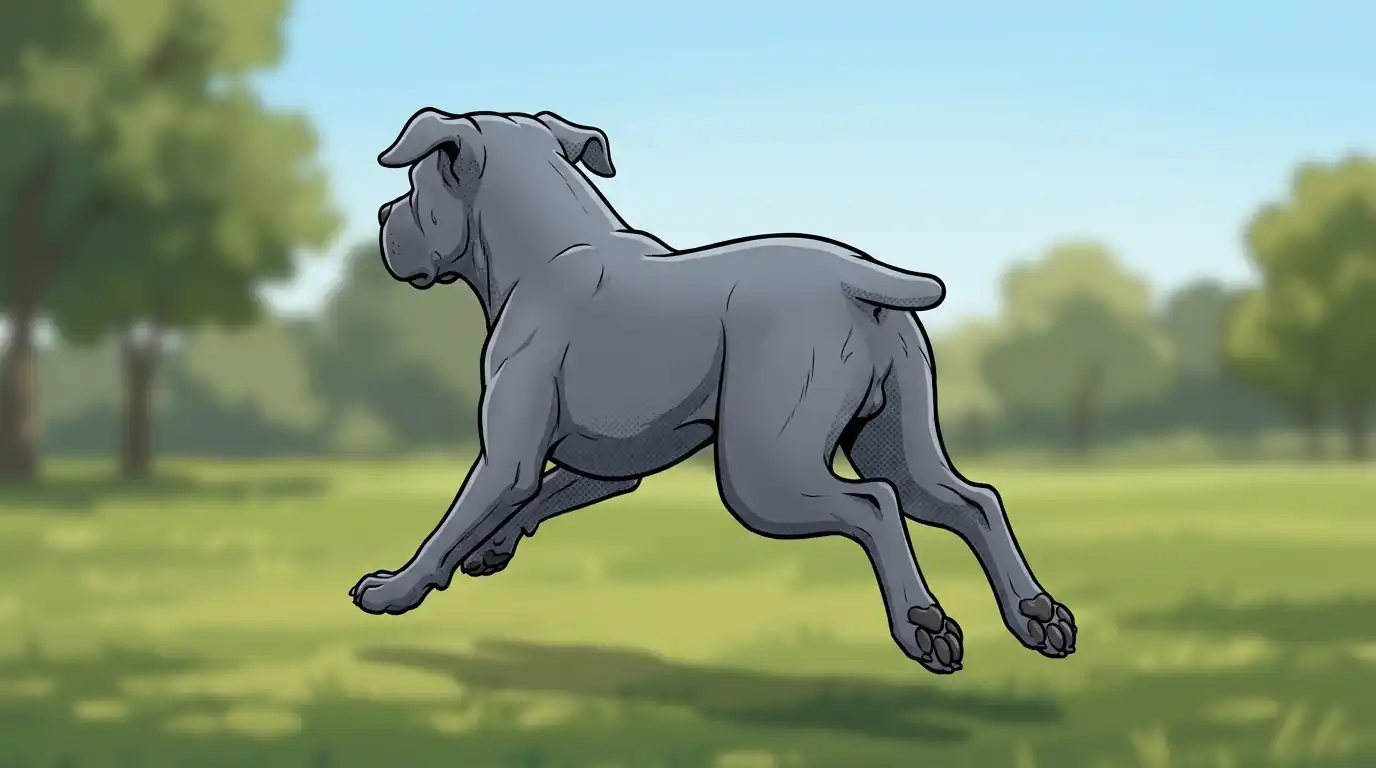
Elbow dysplasia is another common developmental condition affecting the front limbs. Dogs may show intermittent forelimb lameness, stiffness after exercise, shortened stride length, or reluctance to fully bear weight on one leg. Some puppies may stand with the elbows rotated outward (abducted) and paws turned inward.
Signs are often subtle early on and worsen as arthritis develops. As with hips, early elbow changes may sometimes be visible from around 5–6 months, but clearer assessment is typically done closer to skeletal maturity.
A common acquired condition in the breed is cranial cruciate ligament (CCL) disease and rupture, which affects stability of the knee joint. This may develop gradually through chronic degeneration of the ligament or occur acutely after twisting, slipping, or strenuous activity. Clinical signs can include sudden or progressive hind limb lameness, toe-touching, stiffness, or sitting with the affected leg extended outward.
Without treatment, CCL disease commonly progresses to chronic instability and osteoarthritis. Management may include weight control, pain management, physiotherapy, or surgical stabilisation depending on severity. Many of these disorders eventually lead to osteoarthritis, a chronic degenerative and inflammatory joint disease.
Owners should never ignore persistent limping, difficulty rising, stiffness after rest, exercise intolerance, or any consistent change in gait or mobility, especially in young dogs. Early veterinary assessment is important because timely intervention through weight management, controlled exercise, physiotherapy, medication, or surgery can significantly improve long-term comfort, mobility, and quality of life. Cane Corsos can also develop spinal disorders that may resemble orthopedic lameness.
Wobbler syndrome (cervical spondylomyelopathy) causes compression of the spinal cord in the neck and may result in an uncoordinated or “wobbly” gait, hind limb weakness, and neck stiffness. Cauda equina syndrome affects the lower spine and may cause pain when rising, reluctance to jump, hind limb weakness, or changes in tail carriage.
6. What are the veterinary facts about ear cropping in Cane Corsos, is it medically necessary, and what health or behavioral risks should owners understand first?
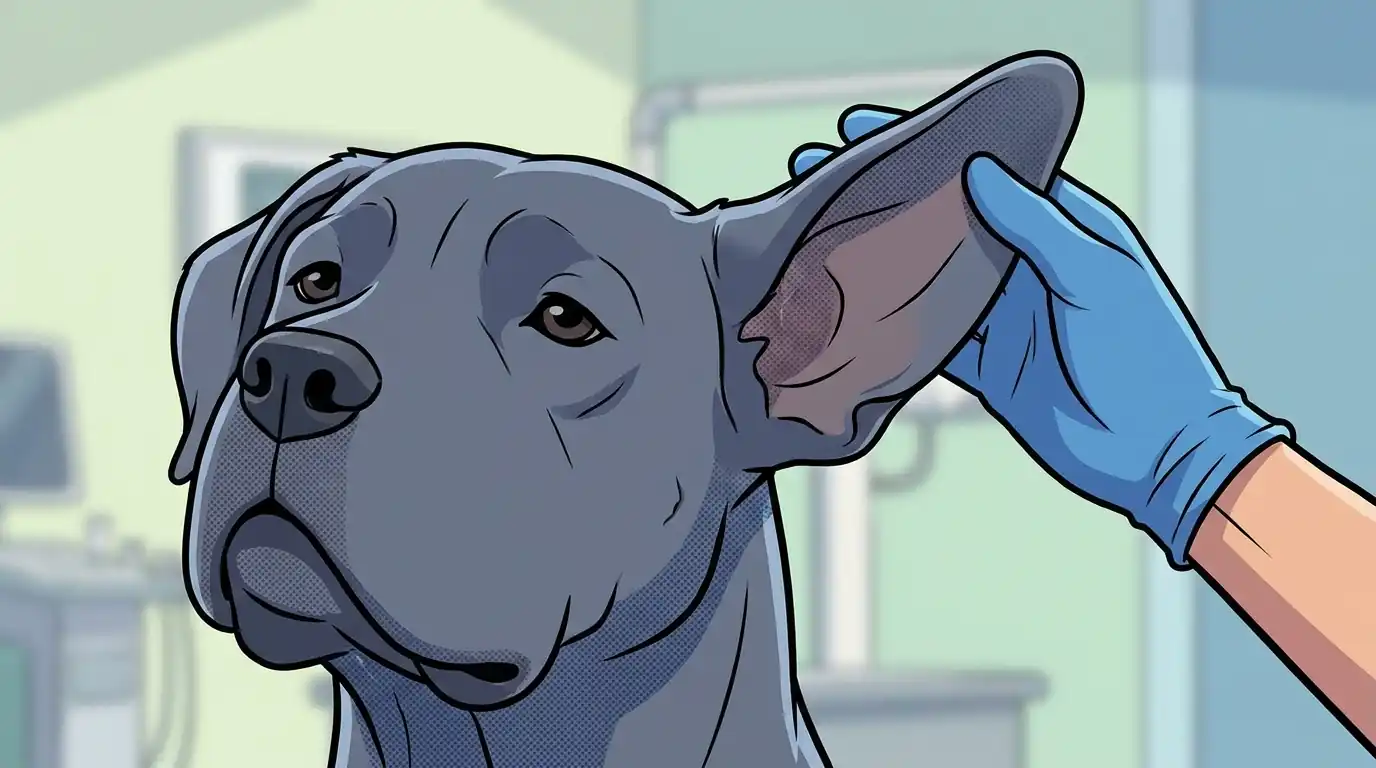
Ear cropping in Cane Corsos is a cosmetic surgical procedure in which part of the external ear (pinna) is surgically removed and shaped to stand erect. From a veterinary medical standpoint, it is not medically necessary and provides no proven health or functional benefit. Historically, ear cropping was performed in working dogs under the belief that it reduced ear infections or injury risk.
However, current veterinary evidence does not support these claims. Ear infections are primarily related to factors such as ear canal anatomy, moisture, allergies, parasites, and chronic inflammation, rather than ear shape. The procedure carries several important welfare and medical risks.
These include surgical pain, bleeding, infection, anesthesia-related complications, and delayed wound healing. Post-operative care is also extensive and may involve weeks of bandaging, taping, and repeated adjustments, during which dogs may experience discomfort and stress.
From a welfare perspective, both the WSAVA (World Small Animal Veterinary Association) and FECAVA, and the AVMA (American Veterinary Medical Association) do not support cosmetic surgical procedures such as ear cropping when performed without medical necessity. Their position is that any procedure causing pain and risk without medical necessity raises significant ethical concerns and should not be performed for aesthetic purposes.
There are also behavioural and welfare considerations related to early-life surgical intervention, particularly when it is not medically indicated. While long-term behavioural effects are not fully quantified, unnecessary surgical pain and recovery are generally considered undesirable from an animal welfare standpoint. From a clinical standpoint, natural ear shape in Cane Corsos does not negatively affect hearing or ear function.

Preventive ear care such as routine monitoring, appropriate cleaning when necessary, and management of underlying allergies or skin conditions, is far more relevant to ear health than structural alteration.
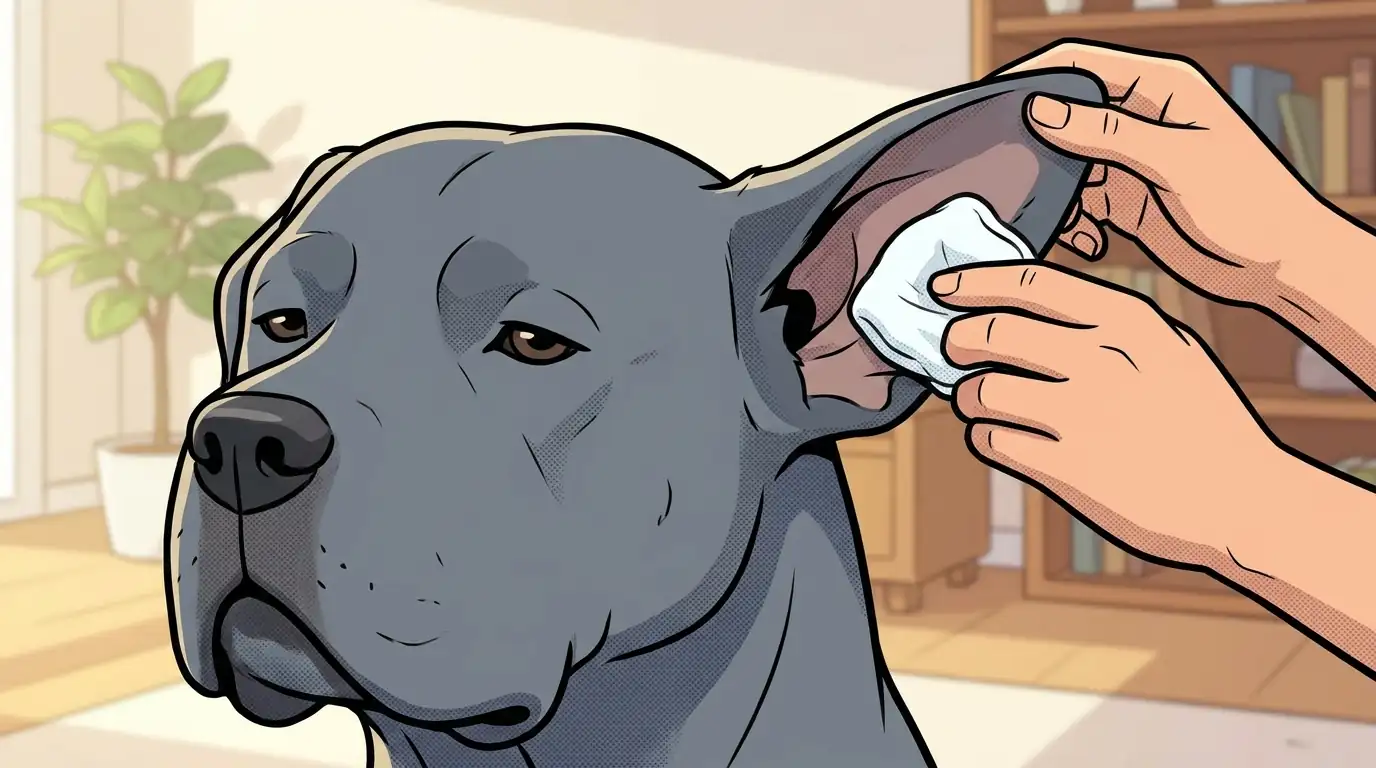
It’s also important to say that there are situations where ear surgery can be medically necessary. In cases of severe trauma, chronic and resistant infections or advanced ear canal disease, partial or total ear canal surgery may be required to relieve pain and protect the dog’s health.
In those cases, surgery is done purely for medical reasons, to relieve pain, control infection, or improve quality of life. This is very different from cosmetic ear cropping, where the goal is purely appearance or breed standard, and there is no underlying medical condition that requires the procedure.
In summary, ear cropping is an elective cosmetic procedure without medical indication, and its risks and welfare implications should be carefully considered. Responsible veterinary practice prioritises the health, comfort, and welfare of the dog over aesthetic preference or breed tradition.
7. At what age does a Cane Corso fully mature physically and mentally, and what changes should owners expect?
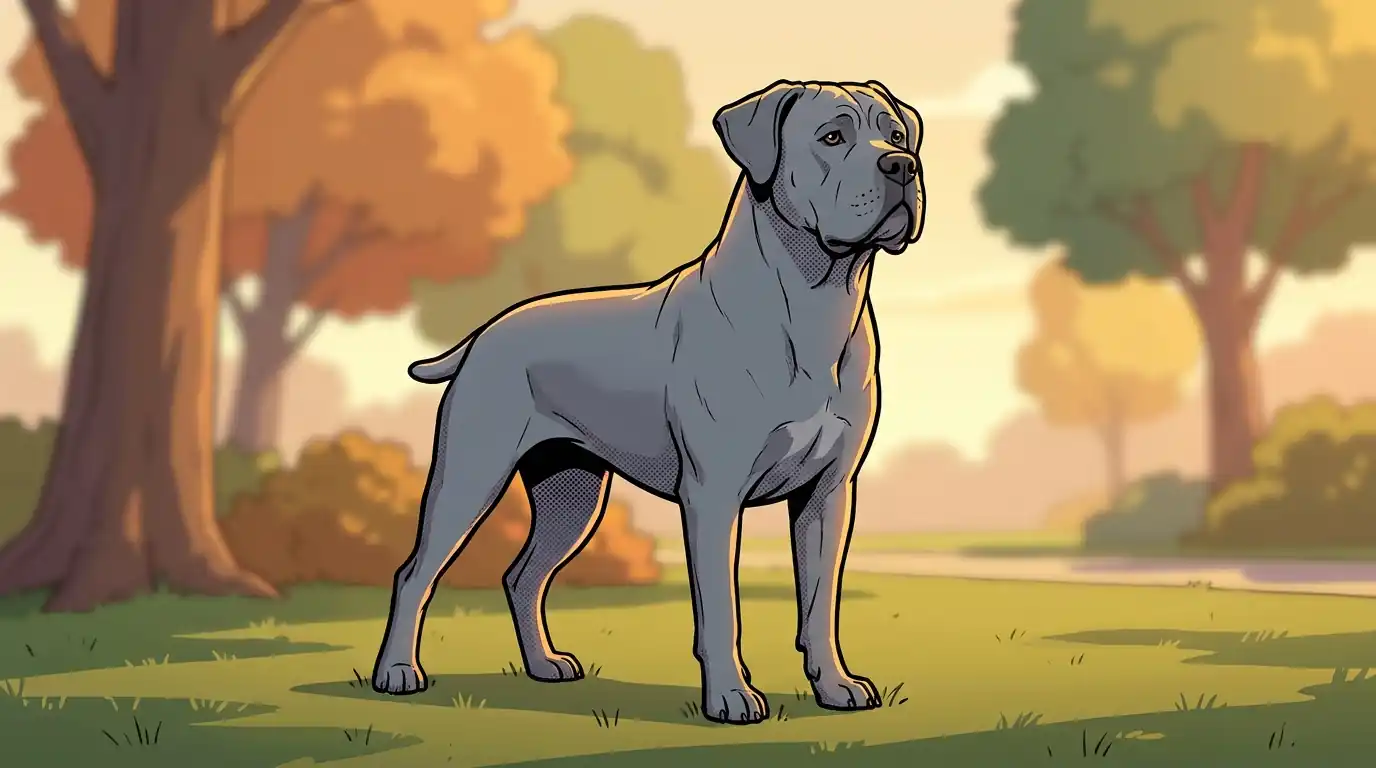
Cane Corsos are considered a slow-maturing giant breed, meaning both physical and behavioural development continue for much longer than in smaller dogs. While many owners expect a “fully grown” dog by around one year, true maturation is a gradual process that extends well beyond that. Most Cane Corsos reach near-adult height between 12 and 18 months of age, but skeletal development, muscle mass, and chest width continue to mature until approximately 18 to 24 months.
Behaviourally and emotionally, many dogs continue to develop stability, impulse control, and confidence until around 2 to 3 years of age. The following timelines are approximate and represent general developmental stages in giant breeds like the Cane Corso. Individual dogs may vary depending on genetics, nutrition, and environment, but this can help owners understand typical patterns of growth and maturity.
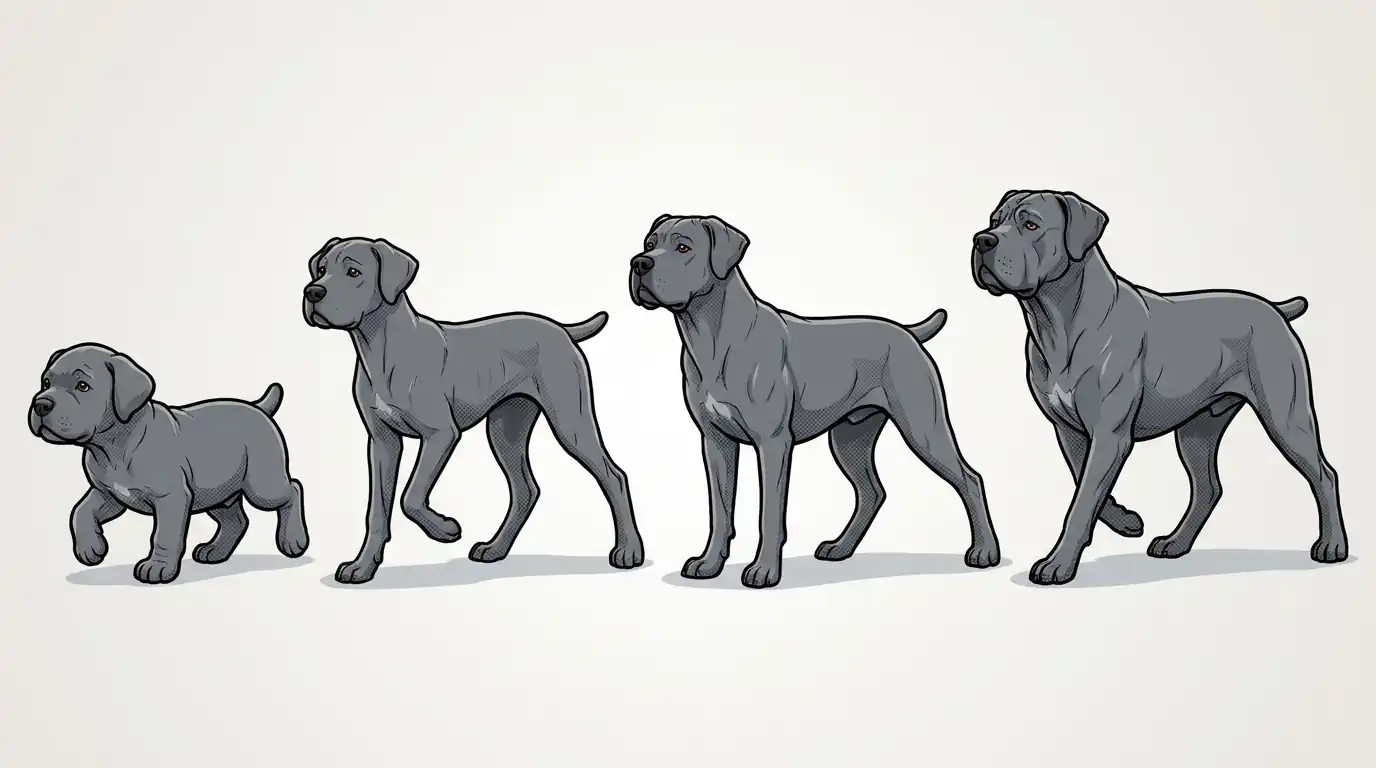
Juvenile Period (3 to 6 Months)
This early stage is characterised by rapid growth, high energy needs, and strong environmental learning. Energy requirements are high during this phase because the body is supporting bone, muscle, organ, and immune system development. Puppies typically show teething behaviour, exploratory mouthing, short attention spans, and rapid learning from their environment.
This is also a critical period for early socialisation, where positive exposure to people, environments, handling, and other animals helps shape long-term behaviour.

Adolescent Period (6 to 12 Months)
As growth rate begins to slow, nutritional requirements gradually decrease compared with early puppyhood, and careful portion control becomes increasingly important to avoid excess weight gain, which can place unnecessary stress on developing joints. During this phase, Cane Corsos often appear physically uneven, sometimes looking temporarily long-limbed, lightly muscled, or slightly uncoordinated due to ongoing growth changes. Behaviourally, adolescence is commonly the most challenging stage for owners.
Dogs may become more independent, test boundaries, show selective responsiveness to commands, or display increased territorial awareness. Consistent structure, reward-based training, and continued socialisation remain essential during this period.
Social and Physical Maturity (1 to 3 Years)
During this stage, skeletal development completes as growth plates close, typically by around 18–24 months in giant breeds. Muscle mass continues to develop, and the dog gradually transitions into a physically mature adult. Behaviourally, most Cane Corsos become more emotionally stable and predictable during this period, with reduced impulsivity and more consistent responses to familiar environments and routines.
It is also worth noting that sexual maturity occurs earlier than full physical and behavioural maturity. Some dogs may reach reproductive capability before one year of age, but responsible breeding should only be considered after full skeletal development and appropriate health screening.
Repetitive high-impact activities such as excessive jumping, forced long-distance running, or frequent stair use during growth should be avoided, as they can place unnecessary stress on developing joints and may contribute to the development or progression of orthopedic conditions such as hip or elbow dysplasia in predisposed dogs. Understanding how slowly this breed matures helps owners set realistic expectations and make better long-term decisions regarding training, nutrition, exercise, and joint protection.
Proper management during the first two years of life can have a major impact on both physical health and behavioural stability later on.
8. How serious is the risk of bloat (GDV) in Cane Corsos, what warning signs should owners never ignore, and what actually helps reduce the risk?
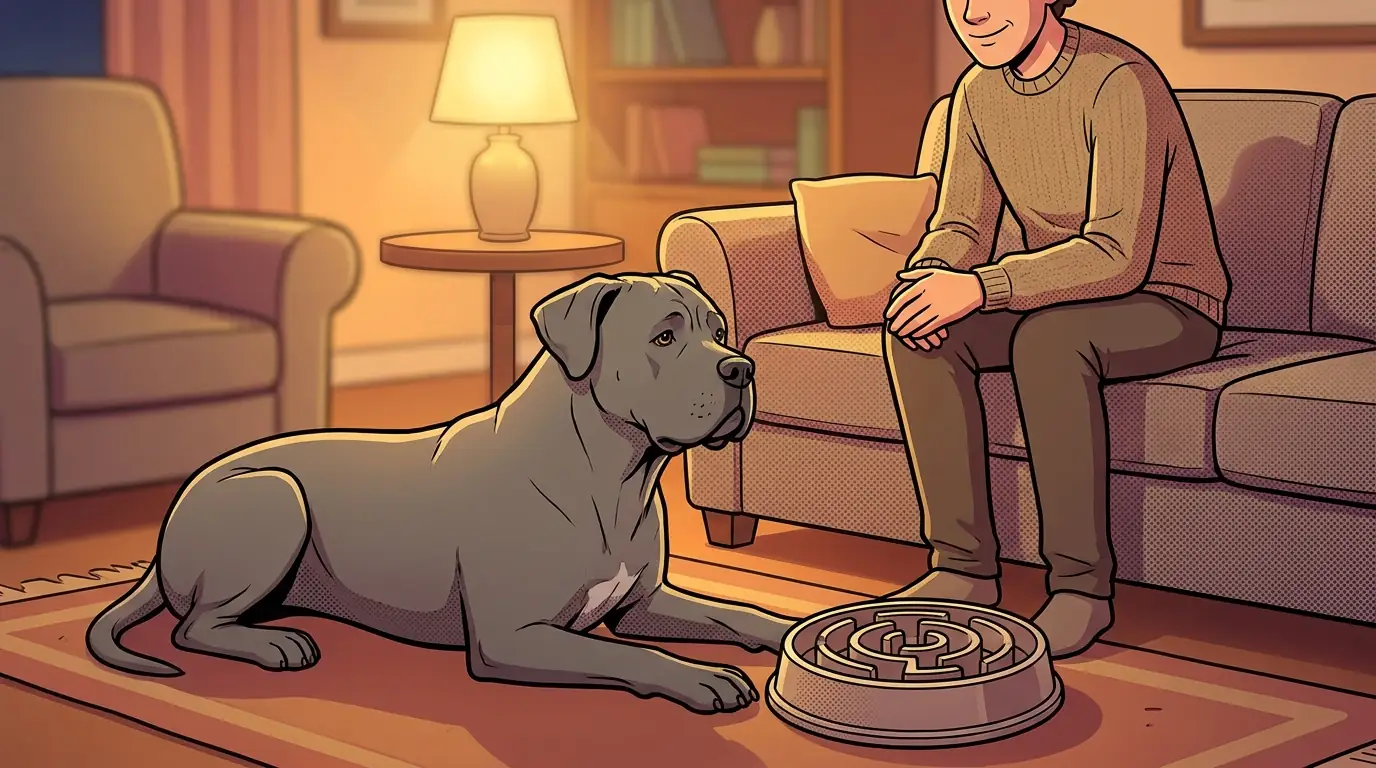
Gastric dilatation-volvulus (GDV), or “bloat,” is a serious and life-threatening condition in Cane Corsos and other large, deep-chested breeds. It happens when the stomach fills with gas, food, or fluid and then twists on itself, which quickly affects blood flow and can lead to shock. Because of how rapidly it progresses, this is always considered an emergency.
Owners should be aware of the early warning signs, because catching it quickly can make a significant difference. These usually include sudden swelling of the abdomen, repeated attempts to vomit without producing anything, excessive drooling, restlessness or pacing, and signs of discomfort or anxiety shortly after eating or drinking. Some dogs may also drool excessively or appear weak or unsettled.
One of the most concerning signs is unproductive retching combined with a tight or enlarged abdomen, and this should always be treated as an emergency.
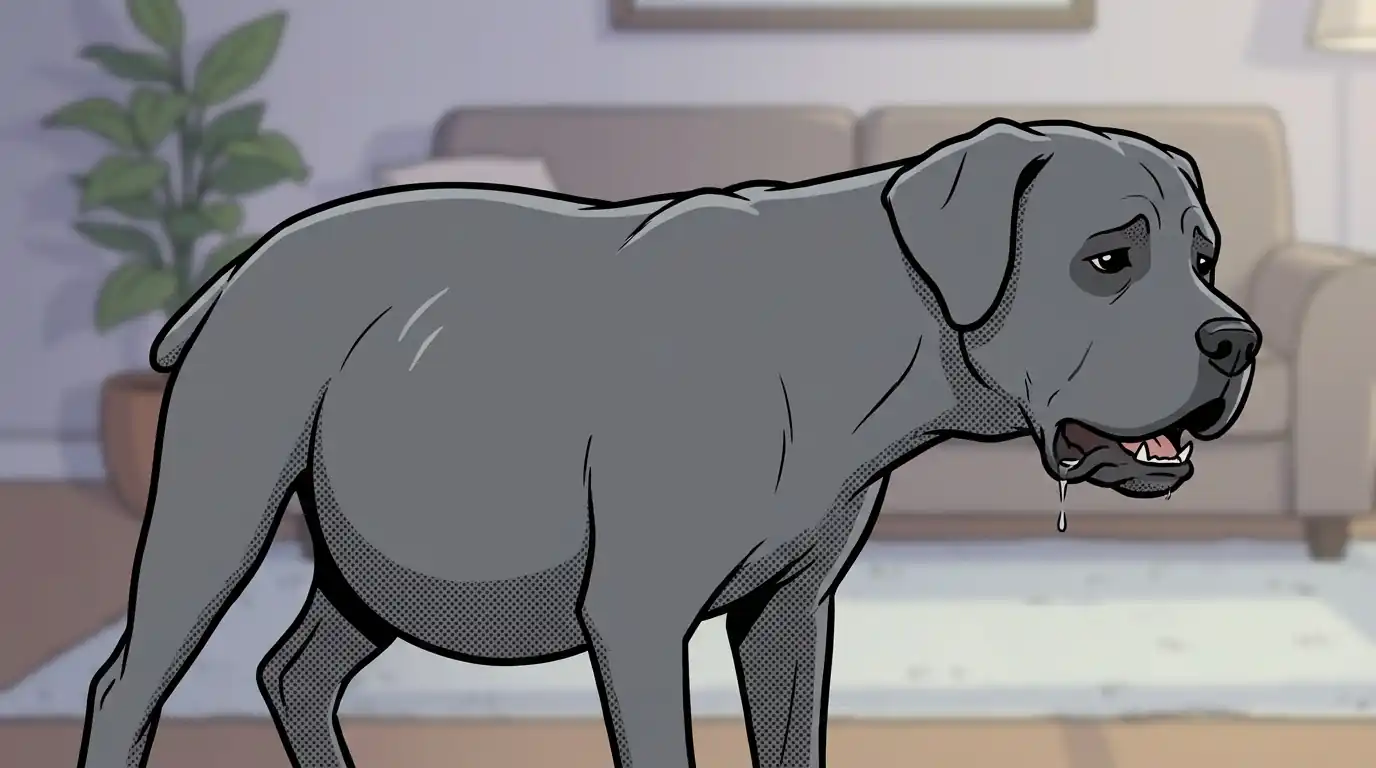
GDV cannot be completely prevented, but there are several management strategies that may help reduce risk. Feeding two to three smaller meals throughout the day instead of one large meal can be helpful, as well as slowing down fast eaters by using slow-feeder bowls if needed.
It is also advisable to avoid intense exercise for at least an hour or two before and after meals, since activity around feeding time may contribute to stomach distension in some dogs. Maintaining a healthy body condition is also important, as obesity is a known risk factor for GDV and overall gastrointestinal health. Another preventative medical option is prophylactic gastropexy, which is a surgical procedure where the stomach is attached to the abdominal wall to significantly reduce the risk of it twisting.
This is sometimes discussed in high-risk breeds and may be performed at the time of neutering or as a separate planned procedure. If GDV is suspected, owners should not wait to see if symptoms improve at home. They should also not attempt home remedies or give food, water, or medication, because this can delay urgent treatment.
Immediate veterinary attention is critical.
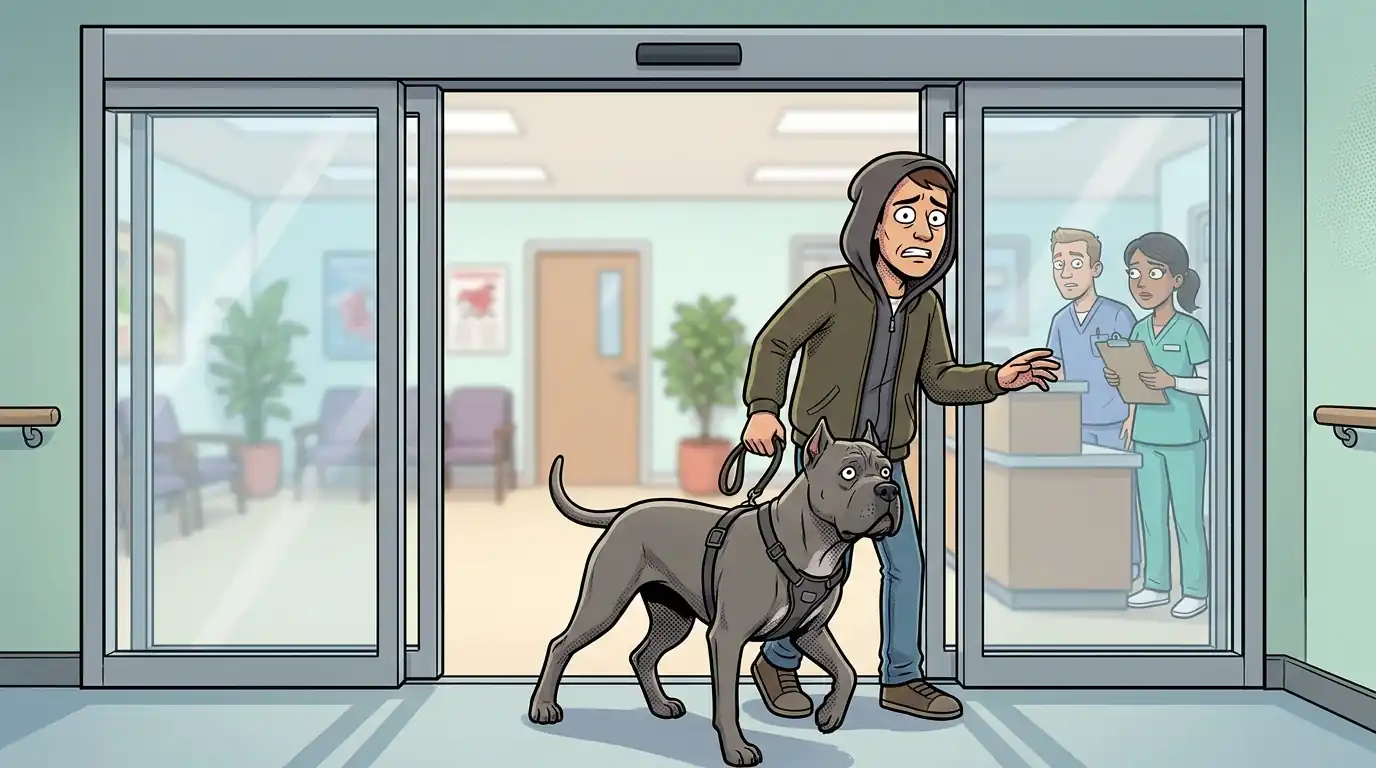
Overall, GDV is one of the most important emergency conditions to be aware of in predisposed breeds, but with good awareness of early signs and appropriate preventive measures, risk can be managed better.
9. What is the average lifespan of a Cane Corso, and what actually helps some Corsos live longer and healthier lives than others?
The average lifespan of a Cane Corso is typically around 9 to 12 years, although some individuals may live slightly shorter or longer depending on genetics, health status, and lifestyle factors. As a large-to-giant breed, they naturally have a shorter average lifespan compared with smaller dogs, largely due to higher rates of orthopedic, cardiac, and degenerative conditions that can develop with age.
While genetics play a significant role, there are several well-established factors that influence whether a Cane Corso stays healthy into its senior years or develops age-related disease earlier in life. One of the most important factors is body condition throughout life. Dogs that are kept at an ideal lean body condition score (BCS 4–5/9) tend to place less mechanical stress on joints and have lower chronic inflammatory burden.
Even modest excess weight has been associated with earlier onset of osteoarthritis and reduced mobility in large breeds. Nutrition quality during growth and adulthood is also critical. Controlled growth in puppyhood, particularly in giant breeds, helps reduce the risk of developmental orthopedic diseases such as hip and elbow dysplasia.
In adulthood, feeding a balanced diet appropriate for life stage and activity level helps maintain muscle mass while avoiding obesity or nutrient imbalance. Regular but appropriate exercise is another key factor. Consistent daily movement helps maintain cardiovascular fitness, muscle strength, and joint mobility, but excessive high-impact activity during growth stages or poorly conditioned exercise routines in adulthood can contribute to orthopedic wear over time.
Preventive veterinary care also plays a major role in longevity.
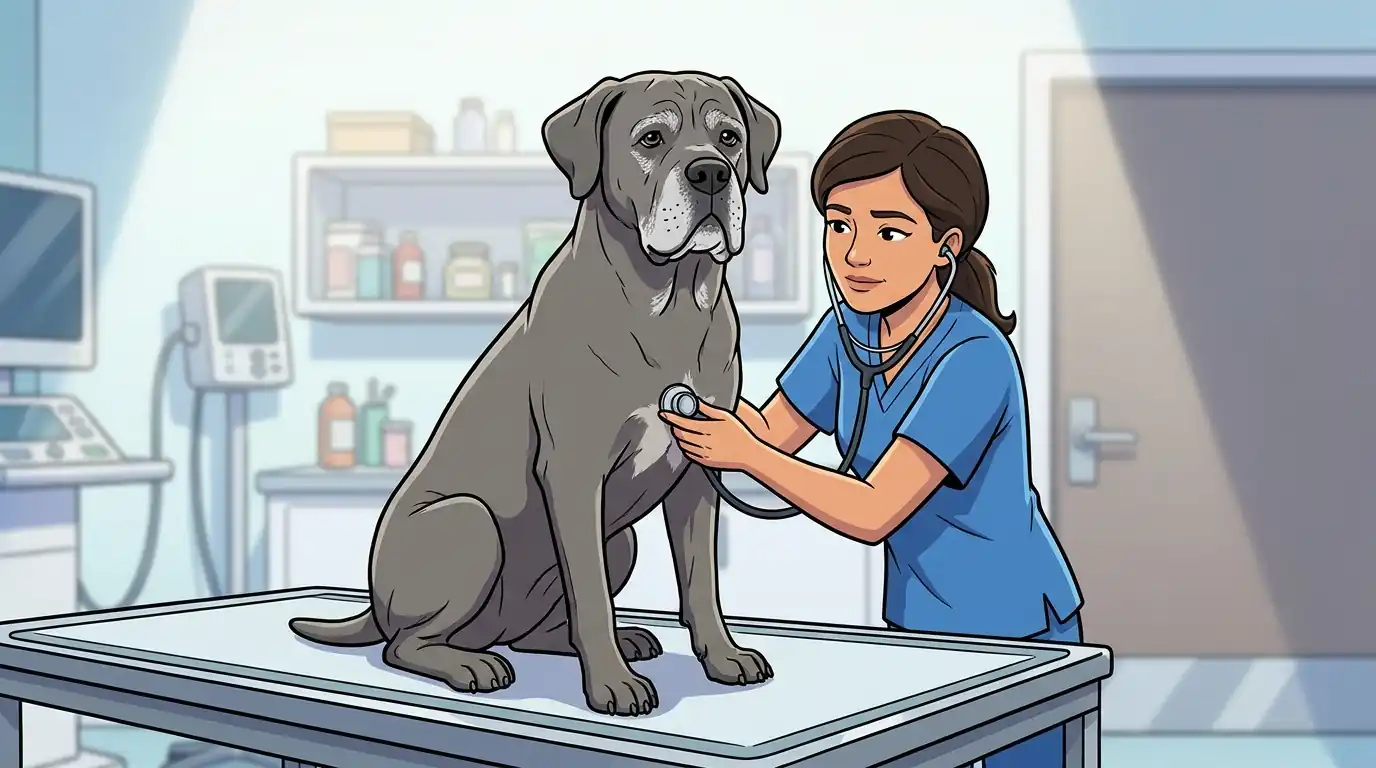
Routine health screening, including orthopedic evaluations, cardiac monitoring when indicated, dental care, and early intervention for emerging disease, can significantly improve long-term outcomes. Conditions such as dilated cardiomyopathy (DCM), hip dysplasia, and degenerative joint disease benefit greatly from early detection and management.
Genetics and responsible breeding remain foundational. Dogs from lines with screening for hip/elbow dysplasia, cardiac disease, and other heritable conditions generally have a lower risk of early-onset disease. Finally, environmental and lifestyle factors, including stress levels, injury prevention, and consistent preventive care (vaccination, parasite control, and routine check-ups), all contribute to overall healthspan.
Overall, while the Cane Corso’s lifespan falls within a relatively predictable broad biological range for giant breeds, dogs that are kept lean, appropriately exercised, well-nourished, and medically monitored tend to live closer to the upper end of that range and maintain a better quality of life throughout aging.
10. How much exercise does a Cane Corso really need at different ages, and can too much exercise damage their joints while they are still growing?
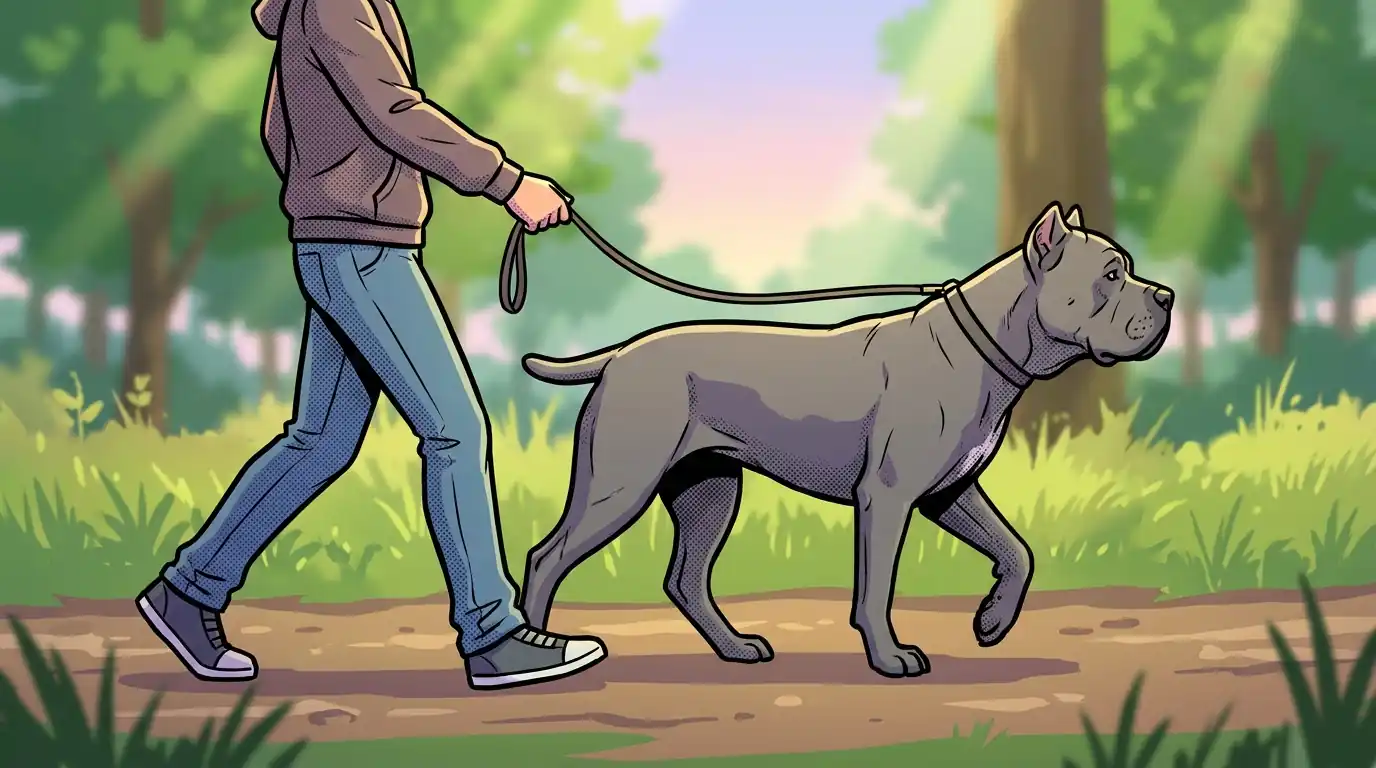
Cane Corsos are a large, working-type breed, and their exercise needs change significantly across life stages. The key principle is that exercise should support healthy musculoskeletal development in youth, maintain conditioning in adulthood, and preserve comfort and mobility in older age, rather than focusing on intensity alone. In puppyhood (up to around 6 months of age), exercise should be low-impact and unstructured.
Short, frequent activity periods such as gentle walks, supervised free movement, and light play are generally appropriate.
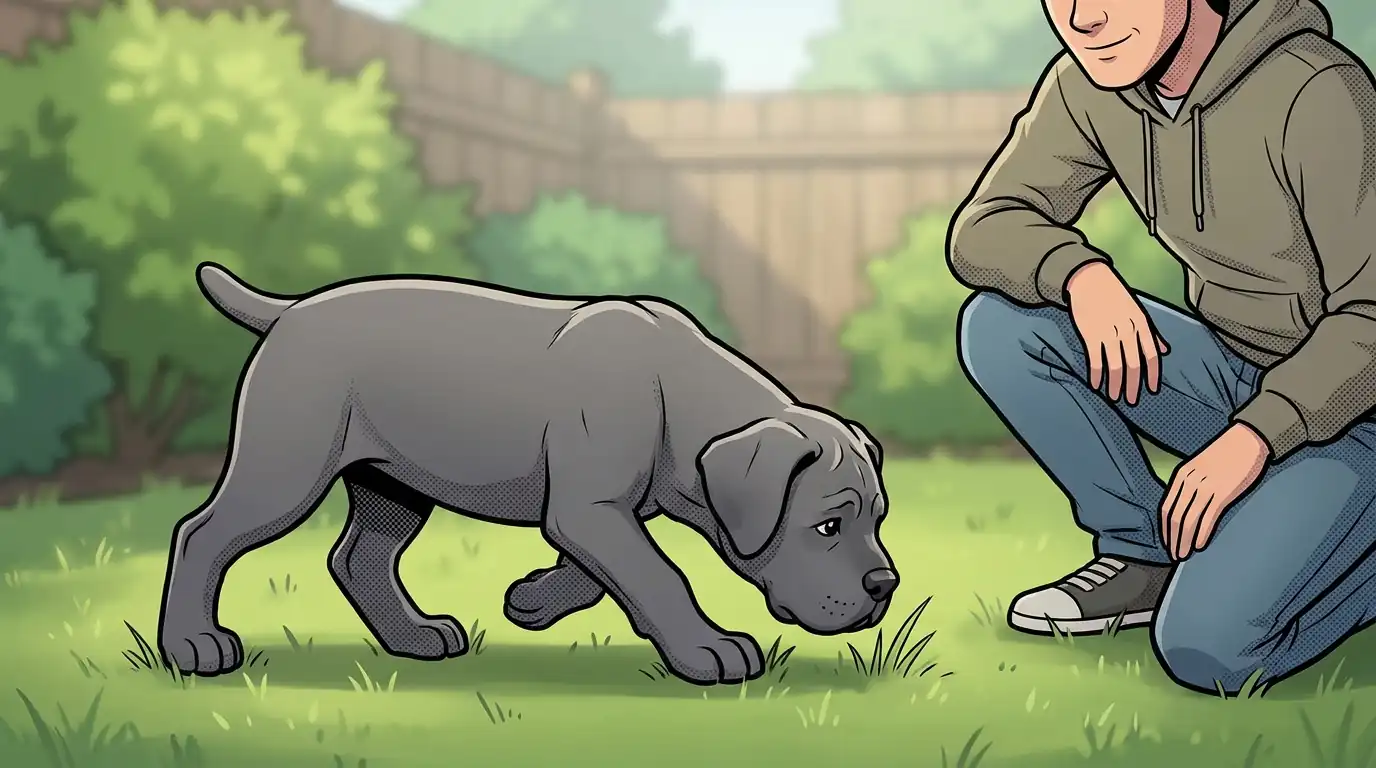
At this stage, growth plates are still open, and the skeleton is developing rapidly, so the goal is controlled movement rather than endurance or repetitive strain. During the juvenile to adolescent period (approximately 6 to 18 months), exercise requirements gradually increase, but must still be carefully managed.
Many Cane Corsos benefit from structured leash walks, basic obedience training, scent-based games, and controlled off-leash activity in safe environments. While dogs at this stage may appear physically strong, their joints and supporting structures are still maturing internally.
Repetitive high-impact activities such as excessive jumping, forced long-distance running, or frequent stair use may increase mechanical stress on developing joints and may contribute to the development or progression of orthopedic disease in predisposed dogs. In adult dogs (around 18–24 months onward), once skeletal maturity is reached, Cane Corsos generally tolerate more structured exercise, including longer walks, hiking, and conditioning work.
Most healthy adults benefit from consistent daily activity spread across the day rather than a single intense session. Exercise also plays an important role in maintaining behavioral stability in a large, powerful breed. In geriatric Cane Corsos (typically 7–8 years and older), exercise remains essential but becomes comfort-focused.
The goal is to maintain mobility, muscle tone, and joint function while avoiding pain or excessive fatigue. Short to moderate leash walks performed more frequently during the day are often better tolerated than long continuous exercise. Low-impact activities such as gentle walking or swimming (if available) are generally preferred.
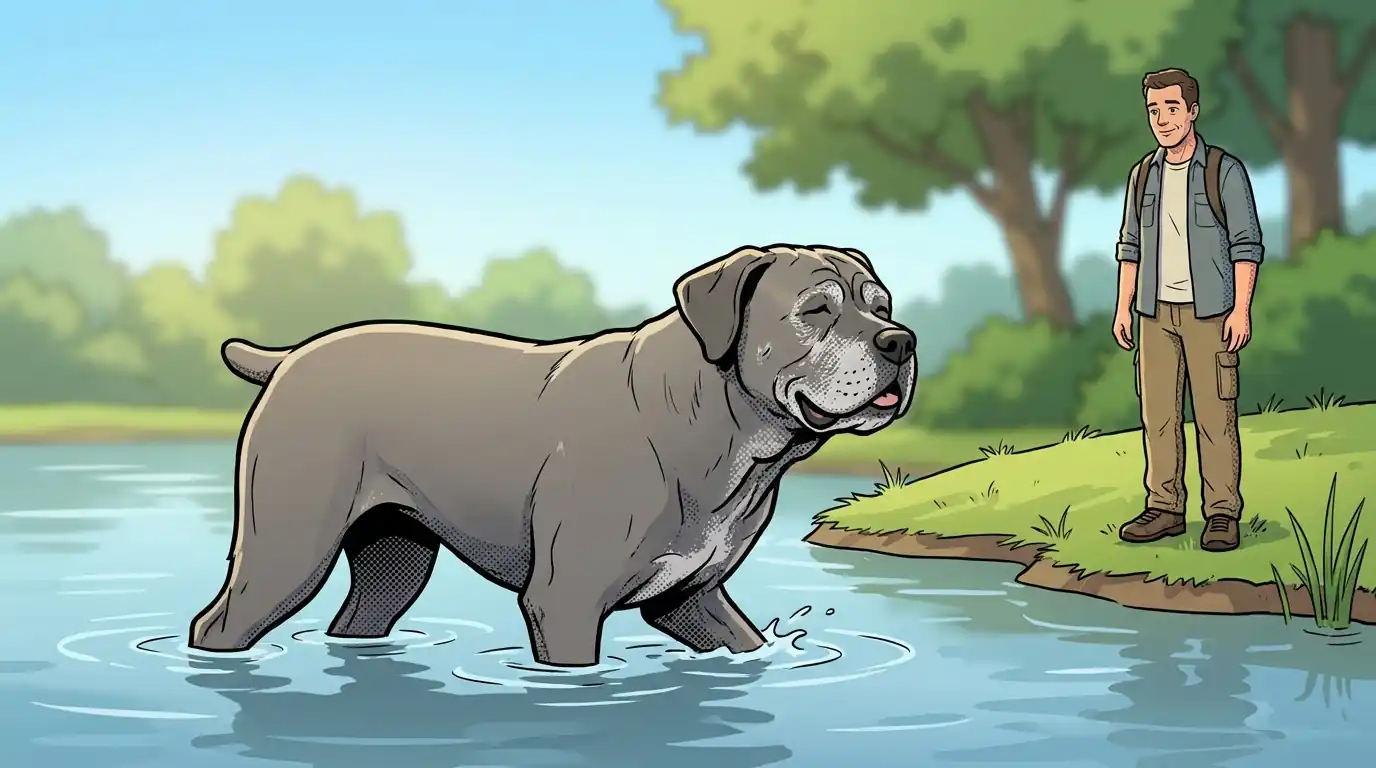
Owners should watch for signs such as stiffness after activity, slowing down, reluctance to continue walking, difficulty rising, or excessive fatigue, as these may indicate underlying pain or reduced exercise tolerance. In older dogs, even modest daily movement is valuable for maintaining joint health, supporting circulation, and helping manage body weight, which is a key factor in reducing stress on aging joints.
Overall, across all life stages, exercise in the Cane Corso should be progressive, controlled, and adapted to the individual dog, with particular caution during growth and a comfort-focused approach in senior years.
Final Thoughts
If there’s one takeaway from all ten answers, it’s this: many of the health challenges seen in Cane Corsos are influenced by decisions made long before clinical signs appear.
Maintaining a healthy body condition, supporting controlled growth during puppyhood, protecting developing joints, and recognizing the early warning signs of serious conditions such as bloat can all have a meaningful impact on long-term health and quality of life.
While genetics always play a role, preventive care remains one of the most important tools owners have. Regular veterinary assessments, appropriate nutrition, weight management, and early intervention when problems arise can help a Cane Corso remain active, comfortable, and healthy throughout life.
If you found this guide helpful, consider sharing it with another Cane Corso owner who might benefit from it. And if there are other Cane Corso health questions you’d like answered by a veterinarian, let us know in the comments below.
Veterinary Sources & References
- AVMA (American Veterinary Medical Association) – Canine health guidance
- WSAVA Global Guidelines – Nutrition, body condition scoring, preventive care
- OFA (Orthopedic Foundation for Animals) – Hip and elbow dysplasia screening
- ACVS (American College of Veterinary Surgeons) – Orthopedic conditions and surgical guidance
- Bell JS et al. Veterinary Medical Guide to Dog and Cat Breeds
- AVMA (American Veterinary Medical Association) – Spay/neuter risk–benefit guidance and canine preventive care
- AAHA Canine Life Stage Guidelines – Individualized recommendations for reproductive timing and life-stage health planning
- WSAVA Global Guidelines – Preventive care framework and lifecycle health recommendations
- Hart et al. (UC Davis Veterinary Medicine studies) – Effects of sterilization timing on orthopedic and developmental risk factors
- WSAVA Global Nutrition Guidelines
- Laflamme DP (BCS system foundation)
- WSAVA Global Nutrition Guidelines – World Small Animal Veterinary Association
- AAFCO Dog Food Nutrient Profiles – Nutritional standards for growth and adult maintenance
- FEDIAF Nutritional Guidelines for Complete and Complementary Pet Food – European pet food nutritional standards
- National Research Council (NRC) – Nutrient Requirements of Dogs and Cats
- WSAVA Global Guidelines – Nutrition, body condition scoring, and preventive health
- ACVS (American College of Veterinary Surgeons) – Orthopedic disease resources (hip dysplasia, cranial cruciate ligament disease)
- Fossum TW – Small Animal Surgery (orthopedic and soft tissue surgery principles)
- Tobias KM, Johnston SA – Veterinary Surgery: Small Animal (orthopedic surgical standards and outcomes)
- De Lahunta & Glass – Veterinary Neuroanatomy and Clinical Neurology (Wobbler syndrome and spinal disorders)
- WSAVA (World Small Animal Veterinary Association) – Animal welfare position statements on cosmetic surgical procedures (ear cropping and tail docking)
- FECAVA (Federation of European Companion Animal Veterinary Associations) – Position statements on cosmetic surgery in companion animals
- AVMA (American Veterinary Medical Association) – Animal welfare policy on ear cropping and tail docking
- RCVS (Royal College of Veterinary Surgeons) – Guidance on animal welfare and non-therapeutic cosmetic procedures
- WSAVA Global Nutrition Guidelines – Growth, nutrition, body condition scoring, and life-stage management in dogs
- AAHA Canine Life Stage Guidelines – American Animal Hospital Association
- AVMA (American Veterinary Medical Association) – Canine preventive health and large-breed growth considerations
- AAFCO Dog Food Nutrient Profiles – Nutritional standards for growth and adult maintenance (including large-breed puppy formulations)
- ACVS (American College of Veterinary Surgeons) – Gastric Dilatation-Volvulus (GDV) in Dogs
- AVMA (American Veterinary Medical Association) – Bloat / GDV information for pet owners
- WSAVA Global Nutrition Guidelines – Feeding management and risk reduction principles in dogs
- FECAVA (Federation of European Companion Animal Veterinary Associations) – Veterinary standards and owner education guidance (general clinical context)
- MSD Veterinary Manual (Merck Veterinary Manual) – Gastric dilatation-volvulus
- AVMA (American Veterinary Medical Association) – Canine preventive health and healthy aging guidance
- WSAVA Global Nutrition Guidelines – Body condition scoring, nutrition, and life-stage health management
- MSD Veterinary Manual (Merck Veterinary Manual) – Large-breed health, aging, and disease-related lifespan considerations
- BMC Veterinary Research – Studies on canine lifespan variation and breed-related longevity factors
- WSAVA Global Nutrition Guidelines – Growth, body condition scoring, and large-breed developmental management
- AAHA Canine Life Stage Guidelines (American Animal Hospital Association) – Exercise, growth, and senior life-stage management
- ACVS (American College of Veterinary Surgeons) – Orthopedic disease guidance in large-breed dogs
- MSD Veterinary Manual (Merck Veterinary Manual) – Growth plate development, orthopedic disease, and exercise considerations in dogs
- AAFCO Dog Food Nutrient Profiles – Large-breed growth standards and developmental nutrition
Disclaimer
This article is provided for general educational purposes only and reflects veterinary information current at the time of writing. It is not a substitute for professional veterinary advice, diagnosis, or treatment for any individual dog. Every Cane Corso is different, and health decisions should always be made in consultation with your own veterinarian. If you believe your dog is unwell or may be facing an emergency, contact your veterinarian or a local emergency clinic right away.