

A French Bulldog can make almost any house feel livelier. They’re funny, affectionate, and packed with personality. They’re also a breed that comes with a unique set of health considerations, which is why so many owners find themselves searching for answers.
Many people know Frenchies for their snoring, snorting, and unmistakable faces. What fewer people realize is how closely those traits can be connected to breathing difficulties, heat intolerance, skin problems, and other health issues that require careful management throughout a dog’s life.
To find out what owners are most concerned about, we analyzed more than a thousand of the questions French Bulldog owners search for online, identified the ten topics that come up again and again, and put every one of them to Dr. Stefan Novevski, a licensed veterinarian (DVM), for clear, evidence-based answers.
This guide is the result. The exact concerns Frenchie owners ask about most, including breathing, allergies, feeding, reproduction, and life expectancy, explained in a way that’s easy to understand and grounded in veterinary expertise.
1. What health problems are French Bulldogs most prone to, and what early warning signs should owners never ignore?

French Bulldogs are predisposed to several serious health conditions, many of which are linked to their brachycephalic (short-faced) anatomy, compact body structure, and genetic predispositions. Because some of these problems can progress gradually, owners should pay close attention to subtle early warning signs rather than waiting for severe symptoms to appear..
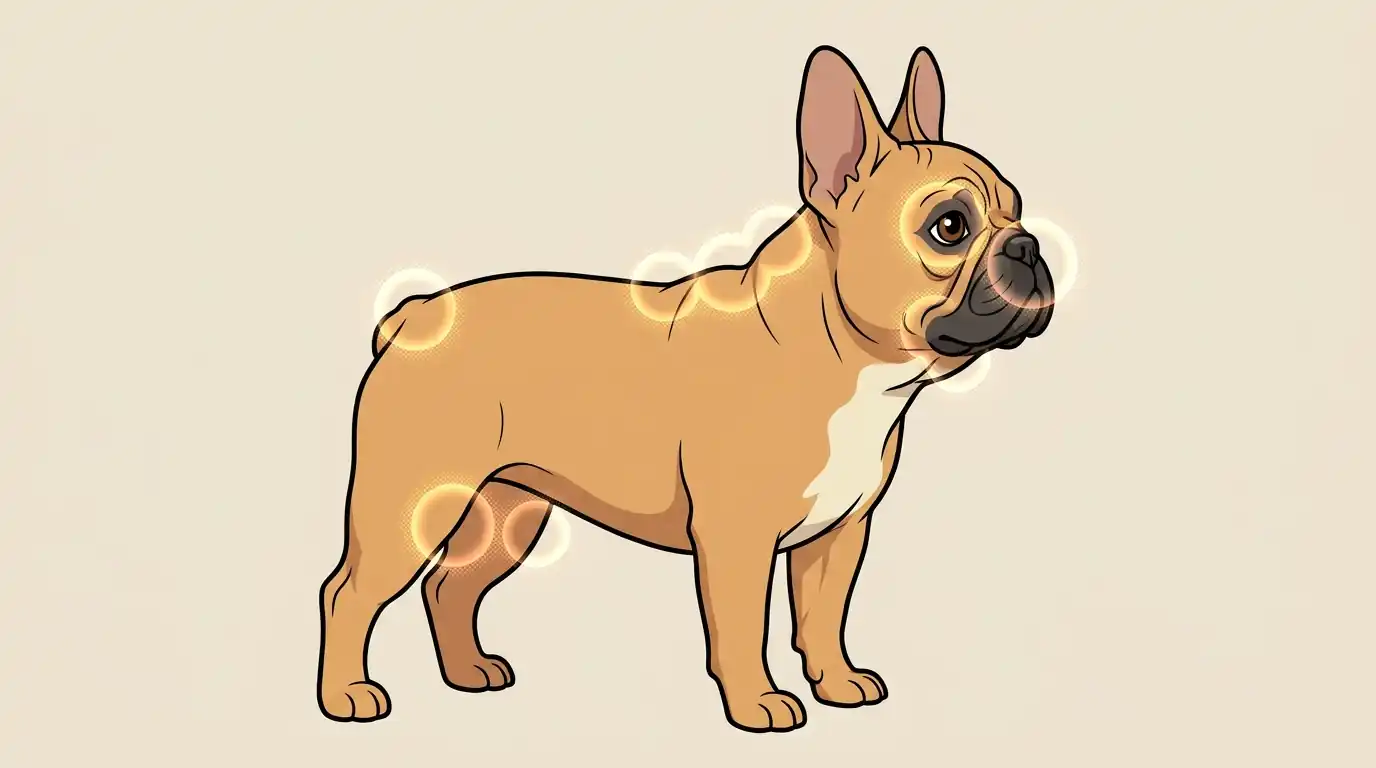
One of the most important concerns is Brachycephalic Obstructive Airway Syndrome (BOAS), a condition caused by the shortened skull shape of brachycephalic breeds, which can leave soft tissues crowded within a relatively small airway and restrict normal airflow. BOAS commonly involves narrowed nostrils, an elongated soft palate, and other upper airway abnormalities. Early signs may include noisy breathing, snoring, exercise intolerance, gagging, overheating easily, excessive panting, or struggling to recover after activity. Severe cases can progress to respiratory distress, collapse, or life-threatening heat stroke, especially during warm weather or stress.
French Bulldogs are also highly prone to spinal and neurologic disorders, particularly intervertebral disc disease – IVDD (a condition where the discs between the vertebrae degenerate or rupture and place pressure on the spinal cord), and congenital vertebral malformations such as hemivertebrae (where abnormally shaped vertebrae can lead to spinal curvature and neurologic problems). Warning signs may include reluctance to jump, pain when being picked up, weakness, wobbliness, dragging of the limbs, or sudden paralysis. Any sudden loss of coordination or inability to walk should be treated as an emergency.

Orthopedic disease is also seen in French Bulldogs. Patellar luxation, where the kneecap slips out of position, may cause intermittent skipping, sudden leg lifting, stiffness, or an abnormal gait. Hip dysplasia can also occur and may lead to difficulty rising, reluctance to jump, reduced activity, or chronic hind-limb discomfort over time. Excess body weight may further worsen joint stress, mobility problems, and the development of osteoarthritis.
Another major issue in the breed is allergic skin disease and chronic dermatitis. French Bulldogs commonly develop environmental or food-related allergies that may cause itching, recurrent ear infections, paw licking, skin redness, facial fold irritation, or recurrent bacterial and yeast infections. Chronic scratching or recurrent skin problems should never be dismissed as “normal for the breed.”
Eye problems are also common because of their prominent eyes and facial structure. Conditions such as corneal ulcers, dry eye (keratoconjunctivitis sicca), and eye trauma may present with squinting, redness, excessive tearing, discharge, or cloudiness of the eye. Eye pain can progress rapidly and requires prompt veterinary evaluation.
French Bulldogs are additionally predisposed to gastrointestinal disorders, including food sensitivities and chronic enteropathies, which may contribute to recurrent vomiting, flatulence, soft stools, or diarrhea. Reduced exercise tolerance associated with BOAS may also increase the risk of obesity, which can further worsen respiratory compromise, joint stress, heat intolerance, and mobility issues.
Owners should also be aware that French Bulldogs are particularly vulnerable to overheating and heat-related illness due to their impaired ability to regulate body temperature through panting. Excessive panting, distress in warm weather, weakness, collapse, or blue-tinged gums should always be treated as an emergency.
In summary, French Bulldogs require proactive monitoring because many breed-related conditions worsen gradually over time. Early recognition of breathing difficulty, neurologic changes, skin disease, eye problems, or heat intolerance can significantly improve long-term comfort, safety, and quality of life.
2. Why does my French Bulldog struggle to breathe, snore, or overheat so easily, and what treatment options actually help?

French Bulldogs commonly struggle with breathing, snoring, and overheating because of their brachycephalic (short-faced) anatomy. Many of these dogs are affected by Brachycephalic Obstructive Airway Syndrome (BOAS), a condition involving narrowed nostrils, an elongated soft palate, abnormal airway turbulence, and increased resistance to airflow. While mild snoring can occur in many short-faced breeds, persistent noisy breathing or exercise intolerance should not be considered “normal.”
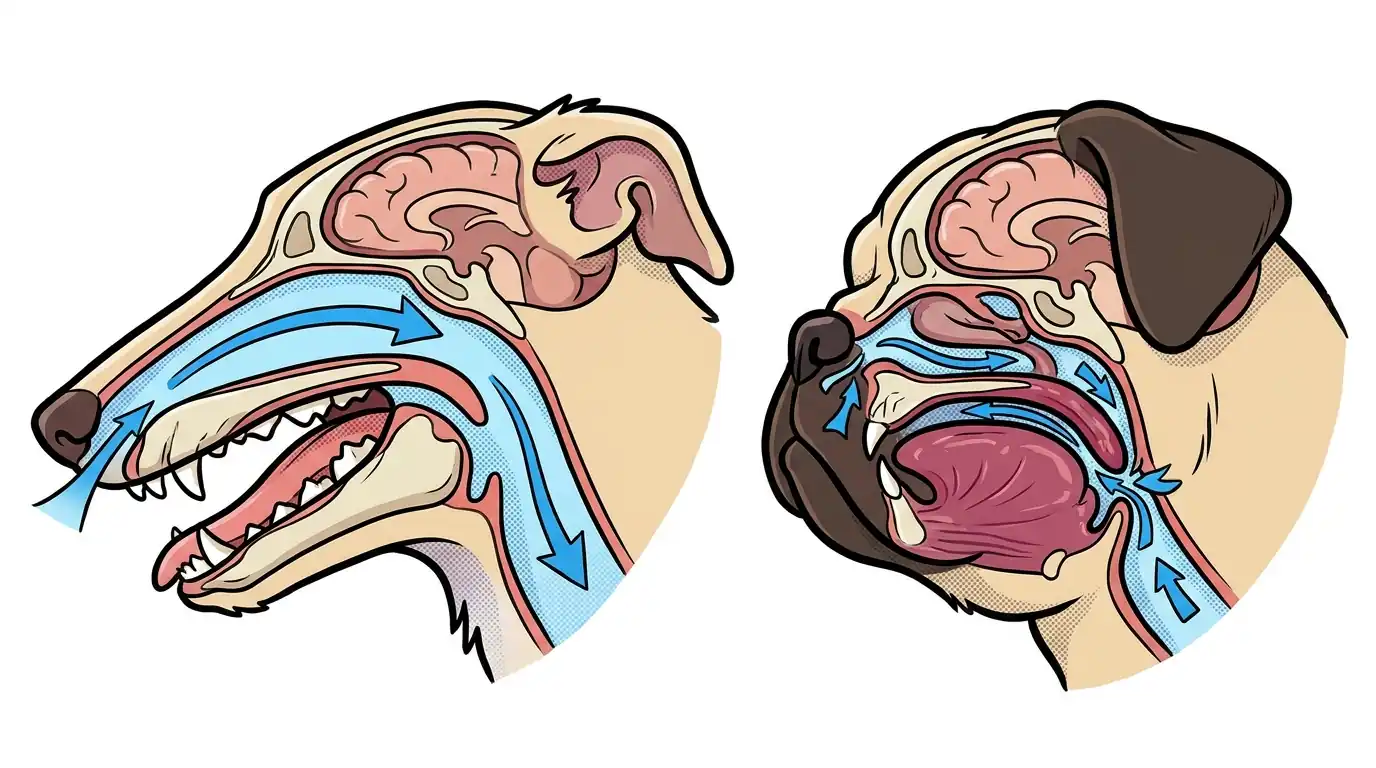
Affected dogs often show signs such as loud breathing, snoring during sleep, gagging, noisy panting, reduced exercise tolerance, difficulty recovering after activity, or excessive respiratory effort during warm weather. Some French Bulldogs also develop sleep disruption, regurgitation, or episodes of respiratory distress during stress or excitement. Because dogs rely heavily on panting to regulate body temperature, airway obstruction also makes French Bulldogs particularly prone to overheating and heat stroke.
Owners should pay close attention to warning signs that indicate more severe airway compromise. These include laboured breathing, blue or grey gums, collapse, inability to settle after exercise, open-mouth breathing at rest, or signs of panic during hot weather. Any episode of severe respiratory distress or heat-related collapse should be treated as an emergency requiring immediate veterinary care.
Obesity significantly worsens breathing problems in brachycephalic dogs because excess fat around the chest and airway increases respiratory workload. Maintaining a lean body condition is therefore one of the most important long-term management strategies.
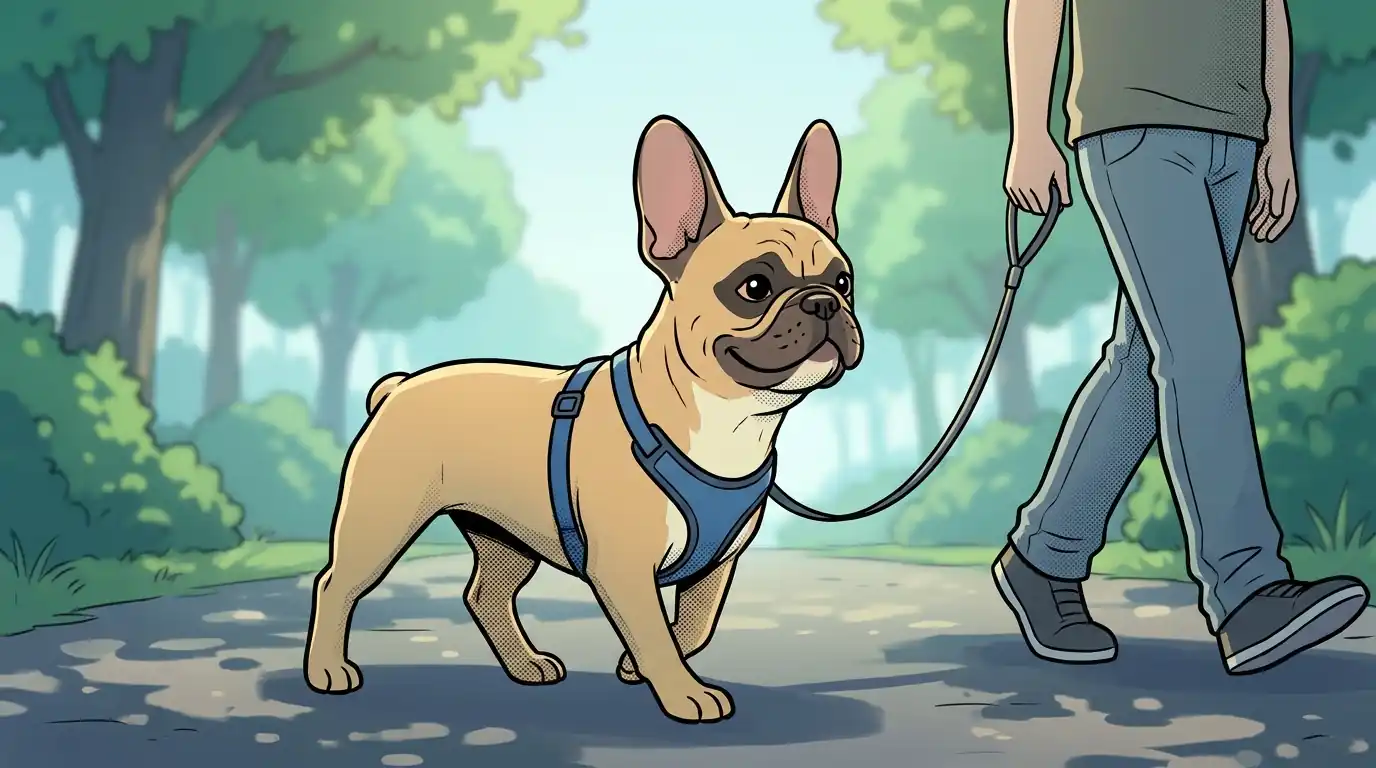
Environmental management is also critical. French Bulldogs should avoid strenuous exercise during hot or humid weather, poorly ventilated environments, and situations involving excessive excitement or stress. Harnesses are generally preferred over neck collars to reduce pressure on the airway.
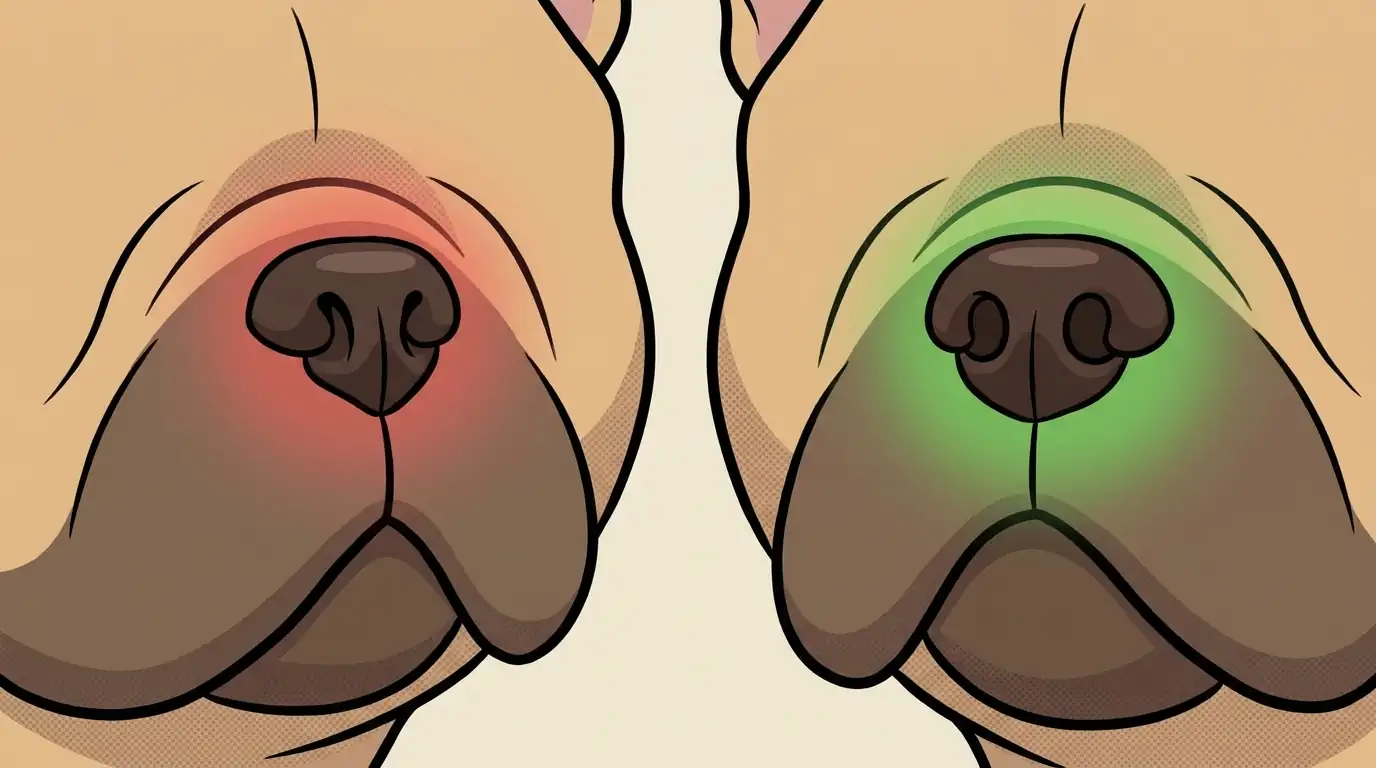
For dogs with moderate to severe BOAS, surgical treatment may improve quality of life and reduce long-term airway damage. Common procedures include widening narrowed nostrils (stenotic nares surgery), shortening the elongated soft palate, and removing obstructive tissue within the airway when indicated. Earlier intervention often produces better outcomes because chronic airway obstruction can progressively damage the upper respiratory tract over time.
Some French Bulldogs may additionally require management of associated gastrointestinal issues such as reflux or regurgitation, which commonly occur alongside airway disease due to chronic pressure changes within the chest and throat.
In summary, chronic snoring, noisy breathing, and heat intolerance in French Bulldogs are often signs of clinically important airway disease rather than harmless breed traits. Early recognition, weight control, environmental management, and timely veterinary evaluation — including surgical assessment when appropriate — can significantly improve breathing comfort, exercise tolerance, and overall quality of life.
3. Why do so many French Bulldogs develop skin allergies, and what actually helps manage the itching, redness, and recurring flare-ups?

French Bulldogs are genetically predisposed to allergic skin disease, particularly canine atopic dermatitis, a chronic inflammatory skin condition associated with abnormal immune responses to environmental allergens such as pollen, dust mites, molds, or grasses. Their skin barrier function is also believed to be less effective than normal, allowing allergens and irritants to penetrate the skin more easily and contribute to chronic inflammation.
In addition, the breed’s characteristic skin folds create warm, moist areas where friction, trapped secretions, and poor ventilation can promote secondary bacterial and yeast overgrowth, especially when underlying allergies are also present. This combination commonly leads to recurrent redness, itching, odor, skin infections, and irritation around the face, paws, ears, neck, and tail folds.
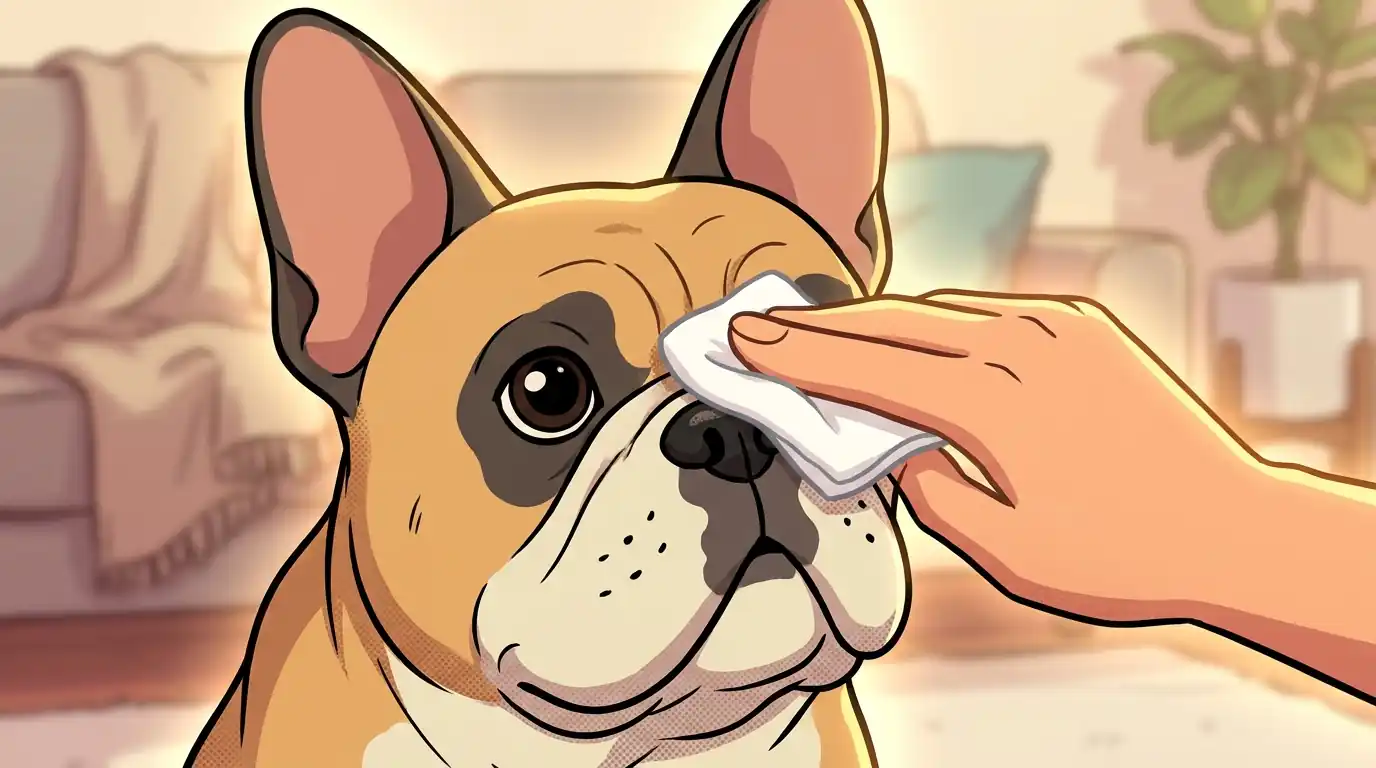
Early signs often include persistent itching, paw licking, rubbing the face, recurrent ear infections, redness of the skin, chewing at the feet, recurrent skin infections, or darkened/thickened skin in chronic cases. Many affected dogs experience recurring flare-ups throughout life rather than a single isolated episode. Some French Bulldogs may also have food-associated allergic dermatitis, although environmental allergies are generally more common.
Management usually focuses on long-term control rather than a permanent cure. Successful treatment often involves a combination of approaches, including regular veterinary assessment, management of secondary bacterial or yeast infections, medicated shampoos, skin-fold hygiene, ear care, strict parasite prevention, and reduction of exposure to known triggers where possible. Depending on severity, veterinarians may also recommend prescription anti-itch medications, immunotherapy, or dietary trials to evaluate potential food sensitivities.
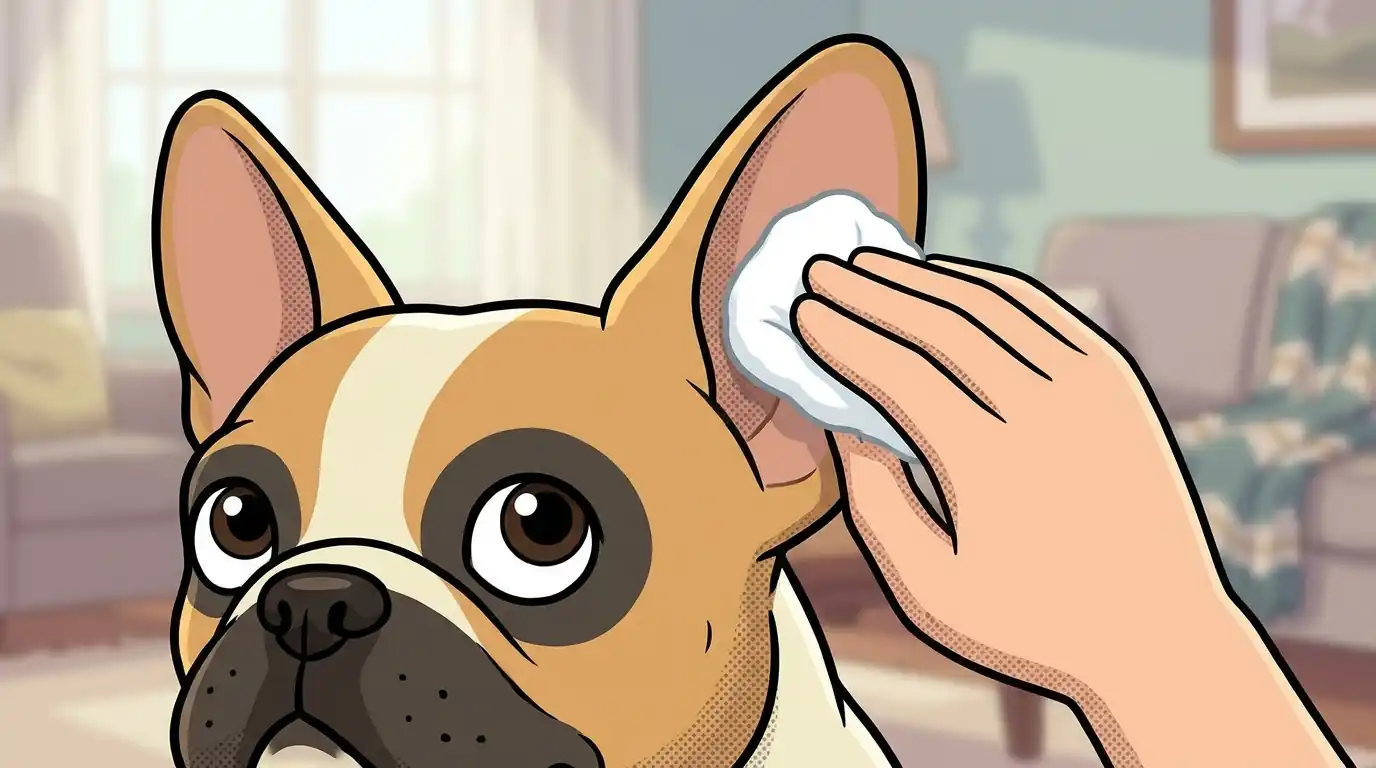
Owners should not ignore persistent itching, recurrent ear infections, hair loss, strong skin odor, open sores, or repeated skin infections, as chronic uncontrolled inflammation can significantly affect quality of life and become progressively more difficult to manage over time.
4. What should I feed my French Bulldog at different life stages, and how much food do they actually need each day?

French Bulldogs require careful nutritional management throughout life because they are predisposed to obesity, gastrointestinal sensitivity, orthopedic stress, and brachycephalic airway disease (BOAS), all of which can be significantly affected by body condition and diet. The most important nutritional goal is maintaining a lean body condition, with portion sizes adjusted to the individual dog’s body condition and activity level.
French Bulldogs should ideally be fed a high-quality, complete, and balanced commercial diet appropriate for their life stage and formulated according to AAFCO or FEDIAF nutritional standards.
During puppyhood, puppies generally benefit from three to four smaller meals per day to support steady growth and reduce gastrointestinal stress. Portion-controlled feeding is preferred over free-feeding, as excessive calorie intake and rapid weight gain during growth may place unnecessary stress on developing joints and worsen long-term orthopedic problems.

As adults, most French Bulldogs do best on a balanced maintenance diet fed in two measured meals daily. Exact calorie requirements vary depending on age, neuter status, metabolism, activity level, and underlying medical conditions, so feeding amounts should be adjusted individually rather than relying solely on package recommendations. Owners should still be able to easily feel the ribs under a thin layer of fat and observe a visible waistline from above. Using a digital kitchen scale to weigh food portions in grams is often more accurate than using measuring cups and may help reduce unintentional overfeeding.

Senior French Bulldogs may require dietary adjustments depending on mobility, gastrointestinal health, heart disease, or other age-related conditions. Although caloric needs often decrease with age due to reduced activity levels, maintaining adequate high-quality protein intake remains important for preserving muscle mass and overall body condition.
Because French Bulldogs are also predisposed to food sensitivities and chronic gastrointestinal disease, some dogs may benefit from veterinary-recommended diets formulated for digestive support or limited-ingredient nutrition. Any major dietary change should be introduced gradually, particularly in dogs with sensitive gastrointestinal systems or a history of dietary intolerance.
5. Should I spay or neuter my French Bulldog, when is the best time to do it, and what health risks or benefits should owners know about?

The decision to spay or neuter a French Bulldog should be individualized and discussed with a veterinarian, as the ideal timing may vary depending on the dog’s sex, overall health, respiratory status, orthopedic risk, and intended breeding plans. There is no single universally correct age for every dog, and the potential benefits and risks should be balanced carefully.
Spaying female French Bulldogs eliminates the risk of pyometra, a potentially life-threatening uterine infection, and significantly reduces the risk of mammary tumors when performed before multiple heat cycles. Neutering male dogs eliminates the risk of testicular cancer and may reduce certain hormone-driven behaviors such as roaming, urine marking, and mounting in some individuals.
French Bulldogs also have a high rate of dystocia (difficulty giving birth). Because the breed has a relatively narrow pelvis and puppies often have large, broad skulls and shoulders, natural delivery can be difficult or impossible in some pregnancies. As a result, many French Bulldogs require planned cesarean section delivery. Owners considering breeding should understand the significant veterinary, financial, and welfare considerations involved.
However, reproductive hormones also play an important role in growth, metabolism, and body composition. After spaying or neutering, many dogs become more prone to weight gain and may require careful portion control and long-term body condition monitoring. This is especially important in French Bulldogs, because obesity can significantly worsen brachycephalic airway disease (BOAS), joint stress, mobility problems, and skin-fold disease.
Some female dogs may also develop hormone-responsive urinary incontinence later in life after spaying. This is due to urethral sphincter mechanism incompetence (USMI), where reduced estrogen levels can lead to decreased urethral tone and weaker bladder closure control. The overall risk varies between individuals.
French Bulldogs also require special consideration during anesthesia because brachycephalic breeds are at increased risk for airway-related complications associated with BOAS.
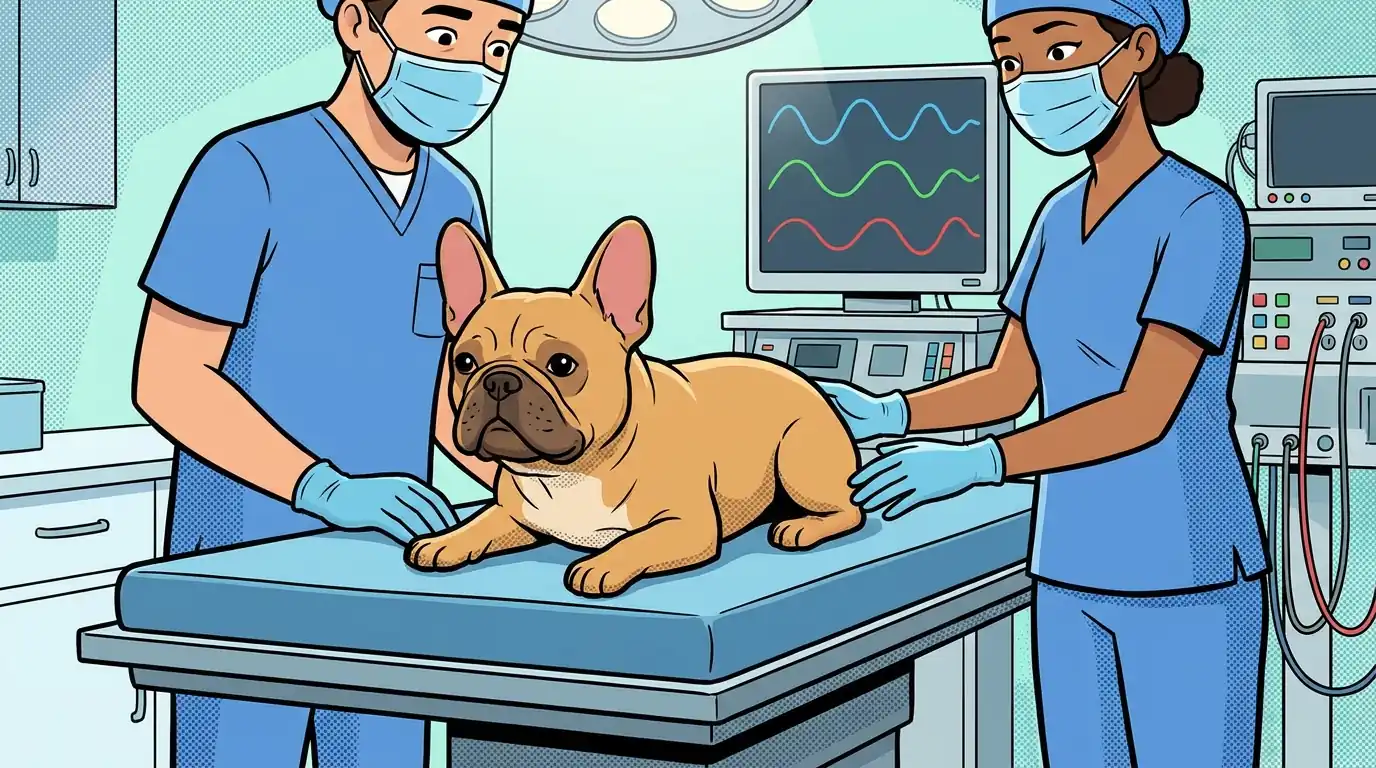
For this reason, spay and neuter procedures should ideally be performed in clinics experienced with brachycephalic anesthesia and perioperative airway management.
In many French Bulldogs, veterinarians commonly recommend waiting until most skeletal growth is complete before elective sterilization, which often occurs around 10–14 months of age, although the ideal timing varies between individuals.
Owners should discuss orthopedic health, respiratory status, behavior, reproductive management, and long-term lifestyle with their veterinarian rather than relying on a single generalized recommendation online.
6. What is the average lifespan of a French Bulldog, and what actually helps some Frenchies live longer than others?

The average lifespan of a French Bulldog is typically around 10 to 12 years, although individual dogs may live shorter or longer lives depending on genetics, body condition, and overall medical care. This breed is considered to have a moderate lifespan compared to some other small companion breeds, but it is also predisposed to several chronic health conditions that can significantly influence longevity.
One of the most important factors affecting lifespan in French Bulldogs is respiratory health. Brachycephalic Obstructive Airway Syndrome (BOAS) can range from mild to severe and may progressively impact quality of life over time. Dogs with more severe airway restriction are at higher risk of exercise intolerance, overheating, sleep-disordered breathing, and in severe cases, life-threatening respiratory distress. Early recognition and, in some cases, surgical intervention can improve long-term outcomes.
Body condition is another major determinant of longevity.
French Bulldogs are highly prone to obesity, and excess body fat can worsen breathing difficulties, increase joint stress, accelerate osteoarthritis, and contribute to metabolic and cardiovascular strain. Dogs maintained at a lean body condition score generally have better mobility and overall health outcomes throughout life.
Orthopedic disease, including intervertebral disc disease (IVDD) and congenital vertebral malformations such as hemivertebrae (abnormally shaped spinal bones), can also impact quality of life and long-term mobility. Early management, weight control, and appropriate activity modification can help reduce clinical progression in some cases.
Chronic skin disease, food sensitivities, and recurrent ear or skin infections may also contribute to long-term discomfort if not properly managed. Additionally, dental disease is a common but often under-recognized factor that can affect systemic health if left untreated.
French Bulldogs that live longer, healthier lives are typically those that maintain a lean body condition, receive proactive veterinary care, undergo early management of airway disease when present, and benefit from attentive at-home monitoring for early signs of chronic disease.
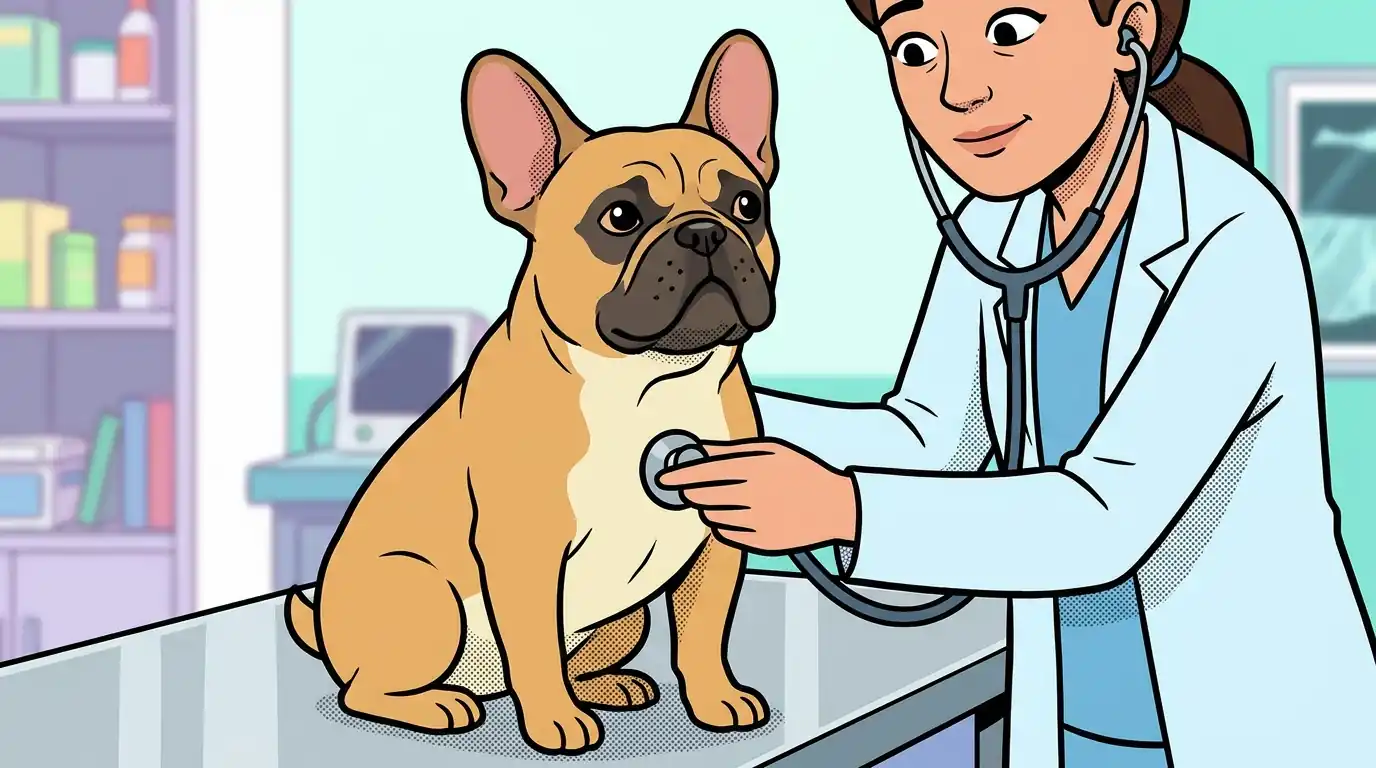
Preventive care, weight control, and early intervention are the strongest predictors of improved lifespan in this breed.
7. How much exercise does a French Bulldog really need, and what activities are safest for their breathing and joints?

French Bulldogs generally require moderate, structured daily exercise, rather than high-intensity or endurance-based activity. On average, most adult French Bulldogs benefit from around 20–40 minutes of low-to-moderate activity per day, divided into shorter sessions depending on their individual fitness level, age, and respiratory health. However, the exact amount should always be adjusted based on body condition, weather conditions, and signs of exercise intolerance.
Because French Bulldogs are brachycephalic, their airway structure (narrow nostrils, elongated soft palate, and compact upper airway anatomy) can restrict airflow, making them more prone to overheating and respiratory distress during exertion. For this reason, activities that involve sustained running, high heat, or intense excitement should be avoided. Early warning signs of overexertion include loud or labored breathing, excessive panting, slowing down, rest-seeking, coughing, gagging, or difficulty recovering after activity.
The safest forms of exercise for French Bulldogs include short leash walks in cool environments, light play sessions with frequent breaks, and mental stimulation activities such as food puzzles or scent work, which provide enrichment without excessive physical strain.

Swimming can be safe for some individuals, but only under close supervision, as not all French Bulldogs are natural swimmers due to their body conformation.
For leash walks, a well-fitted body harness is generally preferred over a neck collar, as it reduces pressure on the airway and cervical structures and allows for safer, more comfortable breathing during activity.
Exercise should always be avoided during hot or humid weather, as French Bulldogs have a significantly reduced ability to regulate body temperature through panting alone.

Walks are safest in early morning or late evening during warmer months, and owners should always ensure access to water and shade.
Dogs with more severe BOAS may require further restriction of exercise and, in some cases, surgical evaluation to improve airway function. Maintaining a lean body condition is one of the most important factors in improving exercise tolerance and overall respiratory comfort in this breed.
Overall, French Bulldogs thrive on consistent but low-impact activity, with the goal being regular movement for health and enrichment rather than endurance or intensity.
8. What foods are dangerous for French Bulldogs, and which ingredients commonly trigger allergies or stomach problems?

French Bulldogs can be particularly sensitive to both dietary indiscretion and specific food ingredients, often due to a combination of breed-related gastrointestinal sensitivity and a higher prevalence of food-responsive skin or digestive disease in some individuals. Understanding which foods are potentially harmful or problematic is important for preventing both acute illness and chronic flare-ups.
Certain foods are considered toxic to all dogs and should be strictly avoided.

These include chocolate (theobromine toxicity), grapes and raisins (risk of acute kidney injury), onions and garlic (which can damage red blood cells and cause anemia), alcohol, xylitol-containing products (severe hypoglycemia and liver failure), and high-fat human foods that can trigger pancreatitis. Even small amounts of these substances can be dangerous depending on the dog’s size and sensitivity. Feeding raw meat and raw bones carries potential risks, including bacterial contamination (such as Salmonella or E. coli), nutritional imbalance, and dental or gastrointestinal injury from bone fragments.
French Bulldogs are also prone to gastrointestinal upset from rich, fatty, or heavily processed foods. Sudden dietary changes, table scraps, and high-fat treats can contribute to vomiting, diarrhea, or in more severe cases, pancreatitis. Because this breed is also predisposed to obesity, calorie-dense treats can quickly contribute to weight gain, which may worsen brachycephalic airway disease (BOAS), joint stress, and overall mobility.
In terms of food-related allergies or intolerances, common triggers include certain animal proteins such as beef, chicken, or dairy, although any ingredient has the potential to cause a reaction in sensitive dogs.

Other ingredients such as wheat, lamb, soy, corn, pork, fish, and rice have also been reported as potential allergens. Clinical signs of food-responsive disease may include chronic itching, recurrent ear infections, skin redness, paw licking, vomiting, diarrhea, or increased flatulence. Unlike true toxic reactions, these signs are typically chronic or recurrent rather than immediate.
Diagnosis of food allergy generally requires a strict elimination diet trial using a veterinary-prescribed novel protein or hydrolyzed diet over several weeks (usually 6-8 weeks, and in some cases longer) followed by controlled reintroduction to confirm the trigger. Over-the-counter “limited ingredient” diets are not always reliable for diagnosis.
Overall, the safest approach for French Bulldogs is a consistent, high-quality, complete and balanced diet, with controlled treats and avoidance of sudden dietary changes. Any persistent gastrointestinal or skin signs should be evaluated by a veterinarian rather than managed through repeated food switching at home.
9. Is it true that many French Bulldogs need C-sections to give birth, and why is natural delivery so difficult for the breed?

Yes, it is true that a significant proportion of French Bulldogs require assistance during birth, and many pregnancies in the breed ultimately require a cesarean section (C-section), particularly in breeding programs managed responsibly with veterinary oversight. These surgeries are often scheduled as planned, elective procedures rather than waiting for an emergency to arise.
Natural delivery can be difficult in French Bulldogs due to a combination of anatomical and genetic factors. The breed has a relatively narrow pelvic canal and a compact maternal body structure, while puppies often have disproportionately large heads and broad shoulders compared to the size of the birth canal.
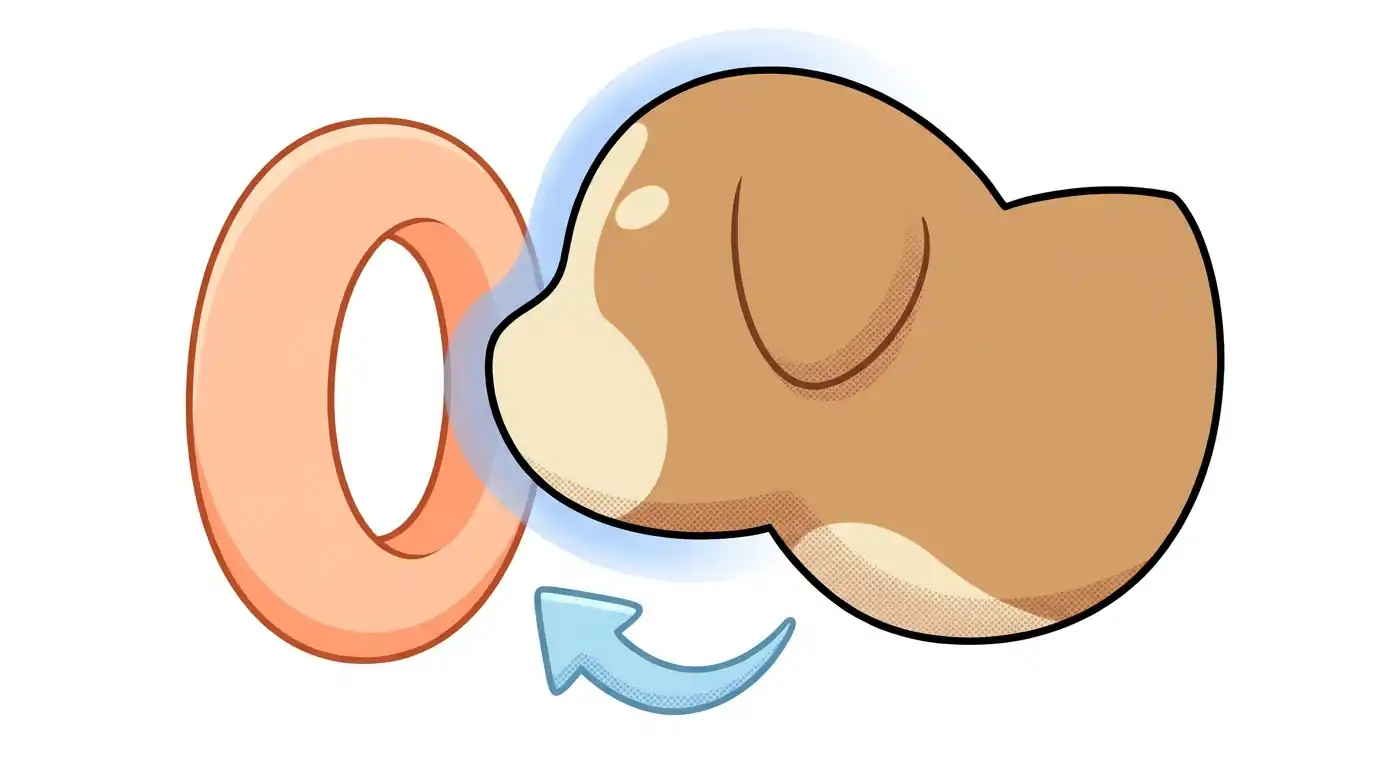
This mismatch between fetal size and maternal pelvic dimensions increases the risk of dystocia (difficult or obstructed labor), where puppies may become physically unable to pass through the birth canal safely.
In addition, French Bulldogs are brachycephalic, meaning they have been selectively bred for a shortened skull and altered head shape. While this is primarily associated with respiratory issues, it also contributes indirectly to obstetric challenges because fetal head size and shape can further reduce the ease of passage during delivery.
Because of these factors, natural whelping is considered high-risk in the breed, and veterinary monitoring during late pregnancy is essential.

In many cases, elective or planned C-sections are scheduled once fetal maturity is confirmed, in order to reduce the risk of emergency complications for both the mother and puppies. Emergency C-sections may also be required if labor fails to progress or if fetal distress is detected.
French Bulldogs therefore require a higher level of reproductive planning and veterinary supervision compared to many other breeds. Owners considering breeding should be fully aware that natural birth is not always possible or safe, and that surgical delivery is a common and often expected part of responsible breeding management in this breed.
10. What is a healthy weight for a French Bulldog, and how can I tell if mine is overweight before it starts affecting their breathing and joints?

A healthy weight for a French Bulldog can vary depending on frame size, sex, and muscle mass, so there is no single ideal number that applies to all dogs. Most adult French Bulldogs fall within a typical breed weight range of approximately 8–14 kg (18–31 lbs), although healthy individuals may fall outside this range depending on body frame and muscle mass. A lean body condition is far more important than a specific scale measurement.
The most accurate way to assess a healthy weight is through Body Condition Scoring (BCS). This is a hands-on, 9-point scale used by veterinarians to evaluate a dog’s body condition. A French Bulldog at an ideal BCS should have ribs that are easily felt under a thin layer of fat without heavy pressure, a visible waist when viewed from above, and a slight abdominal tuck when viewed from the side. The dog should appear compact and muscular, but not rounded or bulky with excessive fat covering the body.
Early signs of excess weight often appear before obvious obesity develops. One of the first changes is loss of waist definition, followed by difficulty feeling the ribs, and gradual fat accumulation over the lower back, chest, and base of the tail. Owners may also notice reduced stamina during walks, increased panting, reluctance to exercise, or slower recovery after activity.
Maintaining a lean body condition is especially important in French Bulldogs because excess fat significantly worsens brachycephalic Obstructive Airway Syndrome (BOAS), increases heat intolerance, and places additional stress on joints and the spine. Even moderate overweight status can contribute to reduced breathing efficiency and decreased exercise tolerance in this breed.
Preventing weight gain is far easier than correcting it once established. Regular body condition checks, controlled portion feeding, limited high-calorie treats, and consistent low-impact exercise are key strategies for maintaining a healthy weight throughout life.

If a dog is already overweight, gradual weight loss under veterinary supervision is recommended to avoid muscle loss and metabolic stress.

Body Condition Score (BCS) at a glance:
- BCS 1–3/9 — Underweight: Ribs, spine, and bony prominences are easily visible with minimal fat cover. Marked abdominal tuck.
- BCS 4–5/9 — Ideal: Ribs are easily felt with a thin fat layer but not visible. Visible waist when viewed from above and a clear abdominal tuck from the side. Lean, athletic body condition.
- BCS 6–7/9 — Overweight: Ribs are more difficult to feel. Waist is reduced or absent. Fat may be present over the back and tail base.
- BCS 8–9/9 — Obese: Ribs are difficult to palpate under thick fat. No visible waist. Significant fat accumulation with reduced mobility likely.
Final Thoughts
If there’s one takeaway from all ten answers, it’s this: with a French Bulldog, the little things matter. Many health problems, including breathing difficulties, skin flare-ups, and weight gain, often start quietly and become harder to manage when they’re ignored. The earlier you catch them, the better.
The good news is that much of your French Bulldog’s health is in your hands. Keeping them at a healthy weight, protecting them from excessive heat, staying aware of changes in their breathing or skin, and working closely with your veterinarian can all make a meaningful difference over time.
French Bulldogs may face more health challenges than many breeds, but attentive care and early intervention can go a long way. A well-managed Frenchie has every chance of living a happy, comfortable life and remaining a much-loved member of the family for years to come.
If you found this guide helpful, consider sharing it with another Frenchie owner who might benefit from it. And if there are other French Bulldog health questions you’d like answered by a veterinarian, let us know in the comments below.
References & Sources
- AAFCO (Association of American Feed Control Officials) — Dog Food Nutrient Profiles
- AAHA (American Animal Hospital Association) — Canine Life Stage Guidelines
- ACVS (American College of Veterinary Surgeons) — BOAS and upper airway surgery in brachycephalic breeds
- AVMA (American Veterinary Medical Association) — Brachycephalic breed health, sterilization, and toxicology guidance
- Bell JS, Cavanagh KE, Tilley LP, Smith FWK — Veterinary Medical Guide to Dog and Cat Breeds
- BSAVA Manual of Canine and Feline Respiratory Medicine — Brachycephalic airway disease (BOAS)
- BSAVA Manual of Canine and Feline Dermatology
- Cambridge BOAS Research Group — Brachycephalic airway syndrome educational resources
- Ettinger SJ, Feldman EC — Textbook of Veterinary Internal Medicine
- FECAVA — Companion animal welfare and brachycephalic breed health guidance
- FEDIAF — Nutritional Guidelines for Complete and Complementary Pet Food
- Fossum TW — Small Animal Surgery
- Gelatt KN, Ben-Shlomo G — Veterinary Ophthalmology
- MSD Veterinary Manual (Merck Veterinary Manual) — Clinical disease summaries (BOAS, IVDD, dermatology, gastrointestinal, obesity, reproduction)
- WSAVA Global Guidelines — Preventive healthcare, nutrition, and body condition scoring
Disclaimer
This article is provided for general educational purposes only and reflects veterinary information current at the time of writing. It is not a substitute for professional veterinary advice, diagnosis, or treatment for any individual dog. Every French Bulldog is different, and health decisions should always be made in consultation with your own veterinarian. If you believe your dog is unwell or may be facing an emergency, contact your veterinarian or a local emergency clinic right away.